Inside Philly's eight-year battle to tame its deadliest intersection
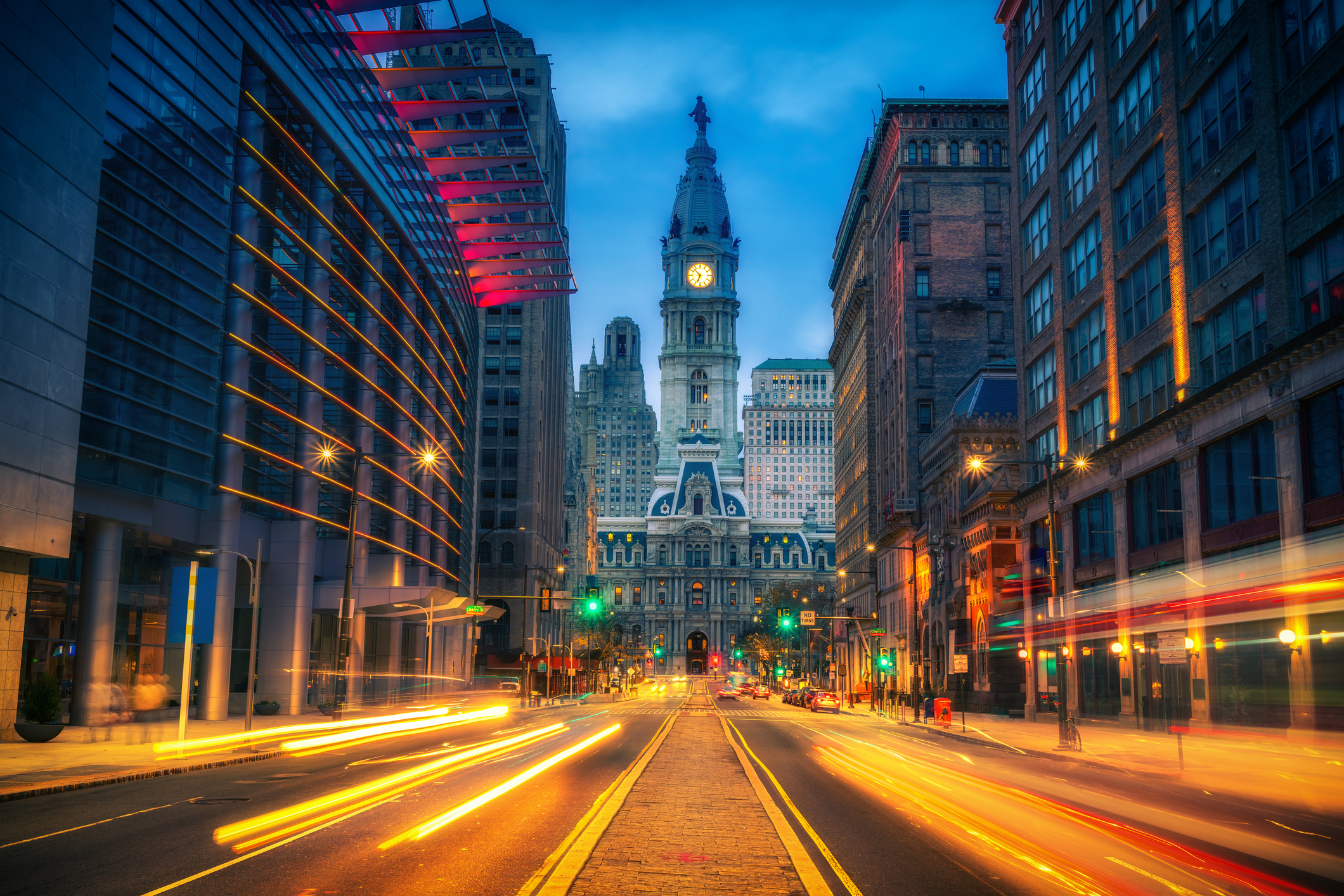
Addressing Traffic Safety Challenges in Germantown
In the heart of Philadelphia, the neighborhood of Germantown has long faced significant traffic safety issues. The primary problems included dangerous diagonal crossings, hazardous turns, and challenges for pedestrians trying to cross busy streets. These concerns prompted a proposal to pedestrianize parts of Germantown, aiming to create a safer environment for all road users.
Implementing Safety Measures
To address these issues, the city implemented a series of traffic-calming measures, including the installation of bollards and other infrastructure changes. These efforts were part of a broader initiative known as the Complete Streets program, which seeks to redesign roadways to accommodate all users safely. This approach marks a shift from the car-centric planning that has dominated American transportation since the 1950s.
The redesign of Broad, Germantown, and Erie streets took eight years, reflecting a careful balance between community preferences and idealized solutions. While closing off certain areas offered safety benefits, rerouting buses away from those streets proved challenging for residents. Shalimar Thomas, executive director of North Broad Renaissance, highlighted the impact on seniors and people with disabilities, emphasizing that even a short walk to a bus stop could be burdensome for some.
Community Engagement and Public Involvement
Mike Carroll, deputy managing director for transportation and infrastructure in Philadelphia, acknowledged that not all proposed changes made it into the final design. However, he expressed satisfaction with the improvements achieved. The Complete Streets program involves extensive community engagement, ensuring that residents have a voice in the redesign process. This collaboration includes consultations with community representatives like Thomas, who play a vital role in shaping the project.
Andrew Simpson, the project manager for the redesign, described the BGE (Broad-Germantown-Erie) project as one filled with innovative treatments aimed at enhancing traffic safety. Some of the key solutions included curb extensions to address dangerous turns, ADA compliance to improve crossing safety, new bus stops and lanes, and sidewalk-level bike lanes to protect vulnerable cyclists.
Real-Life Impact and Community Response
Chiita Bradshaw, a block captain and longtime resident of the neighborhood, was instrumental in advocating for the project. Her motivation stemmed from personal experiences, including witnessing several acquaintances injured and killed while crossing Broad and Erie streets. She recalled an old joke about Erie Avenue: “If you're not from Erie Avenue, you don't know how to cross the street.”
Since the redesign, Bradshaw has noticed a more pleasant environment, though she acknowledges that it will take time to determine the full effectiveness of the changes. The city's efforts elsewhere, such as the redesign of Washington Avenue, show that similar traffic-calming techniques can significantly improve safety. Reports from the first and second years of the Washington Avenue project indicate fewer crashes and minimal impact on travel times.
Concerns About Gentrification
Despite the positive changes, some residents remain skeptical. Bradshaw noted that many community members feared that improvements to their streets could signal gentrification. This concern echoes similar dynamics seen during the Washington Avenue redesign. However, both Bradshaw and Thomas credit the Complete Streets program for its transparency and community involvement, including events and mailings to keep residents informed.
Simpson emphasized that successful implementation of major redesigns requires broad community consensus. While this approach can enhance safety, it is not without challenges. For instance, drivers still park in the new concrete protected bike lane near Max's Steaks, despite the intended purpose of the space. Simpson acknowledged that road users need time to adapt to the new design and that the city will continue to focus on parking enforcement.
Ongoing Efforts and Future Outlook
Enforcement of driving and parking rules will be crucial in determining whether the design changes lead to safer streets. The city is now installing speed cameras on North Broad, with planners optimistic that this measure will further reduce speeding. Bradshaw remains hopeful but cautious, noting that some residents may resist the changes, potentially causing new problems.
Despite these challenges, Bradshaw is grateful that so many community members had the opportunity to participate in the project. She appreciates the collaborative effort among various entities striving to improve the area. As the city continues to refine its approach, the focus remains on creating a safer, more inclusive environment for all residents.

Post a Comment for "Inside Philly's eight-year battle to tame its deadliest intersection"
Post a Comment