"Sold Out" But Not for All: Amtrak Travelers Bothered by Complex Booking Rules
Understanding the Confusion Around Amtrak’s “Sold Out” Label
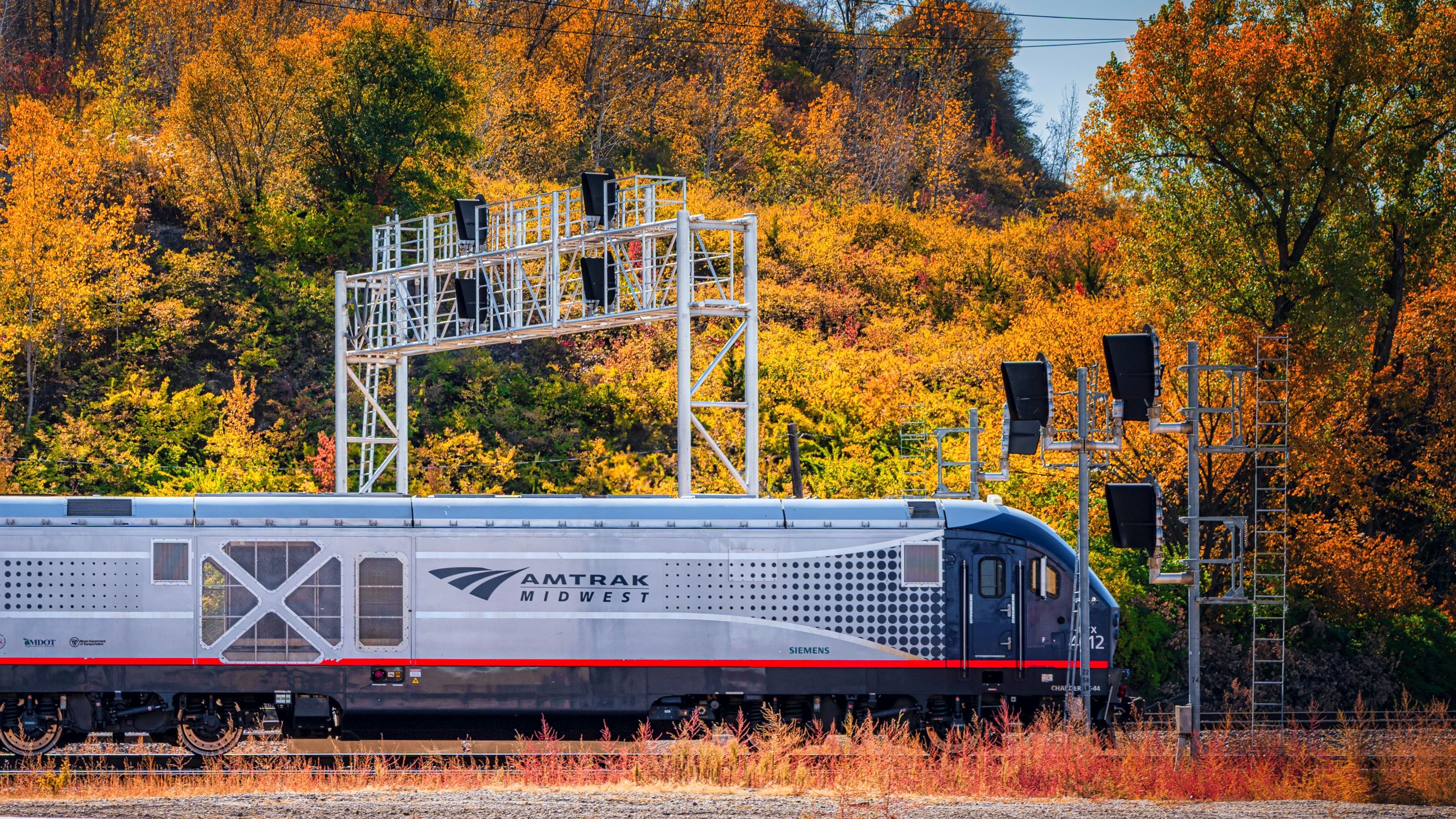
Amtrak, the primary provider of passenger rail services in the United States, has long been known for its inconsistent policies and confusing practices. Many travelers have shared stories of encountering unclear or conflicting rules, which can lead to frustration during their journeys. For example, some passengers have reported that while one train conductor may allow oversized baggage, another might strictly enforce the company's size limits. This inconsistency is not limited to baggage policies; it also extends to other aspects of the service, including how Amtrak marks trains as “sold out.”
In recent weeks, several passengers have raised concerns about the company’s lounge rule changes, claiming they haven’t been applied consistently across all stations. However, a more pressing issue has emerged online, particularly on platforms like Reddit, where users are questioning why Amtrak sometimes labels a train as “sold out” when there appear to be available seats.
The Mystery of the “Sold Out” Train
One of the most common complaints comes from travelers trying to book tickets for the Mardi Gras Service, an event-specific train route. In response to high demand, Amtrak added an extra car on specific days. Despite this, many passengers have found themselves unable to purchase tickets for certain segments of the journey, even though the train is not fully booked.
A Reddit user named ActualModerateHusker posted a detailed account of their experience, asking, “Why does Amtrak say a route is sold out when it really isn't? And can I do anything about it?” According to the user, they could purchase tickets for the full route from Denver to Omaha but were denied tickets for shorter segments between those cities, even for a single seat. This led them to question whether Amtrak was being unethical by marking seats as unavailable when they were, in fact, free.
Possible Explanations for the “Sold Out” Issue
While Amtrak has not provided an official explanation for this phenomenon, several users on Reddit offered their own theories. One popular explanation involves the distinction between full-segment and part-segment seats. Some users suggested that Amtrak reserves certain seats for longer-distance travelers, leaving fewer options available for shorter trips. This practice could help the company maximize revenue by prioritizing higher-priced tickets for full routes.
User Significant_Tie_3994 explained that full-segment seats can sometimes overlap with part-segment seats if there is enough availability, but the reverse is not true. They argued that Amtrak would rather sell a $150 ticket for a full journey than a $60 ticket for a short trip. While this reasoning makes financial sense, it raises ethical questions about transparency and fairness.
Another theory is that Amtrak might be holding some seats for emergencies, such as unexpected changes in schedules or last-minute passenger reassignments. However, this explanation doesn’t hold up in all cases, as some users have confirmed that seats were available for longer trips, suggesting that the issue is more about allocation than emergency preparedness.
What Passengers Can Do
Despite the lack of an official statement from Amtrak, the experiences of users like ActualModerateHusker highlight an important lesson for travelers: the earlier you book your ticket, the better. Prices tend to increase as more seats are sold, and for short-distance trips, the number of available seats may be limited. This means that passengers who wait too long risk missing out on the best options.
Additionally, it’s worth noting that the confusion around “sold out” labels is not just a technical glitch—it could be a strategic decision by the company to manage demand and optimize revenue. Whether or not this is intentional, the takeaway for passengers is clear: plan ahead, book early, and be aware of how Amtrak structures its seat availability.

Post a Comment for ""Sold Out" But Not for All: Amtrak Travelers Bothered by Complex Booking Rules"
Post a Comment