Southwest's European Expansion Hits Hurdles
Southwest Airlines’ Ambitious Shift Toward International Travel
Southwest Airlines is undergoing a significant transformation that has led to the removal of several long-standing policies and a shift in its overall business strategy. As the airline moves forward with these changes, it appears that it faces some notable challenges.
Historically, Southwest has focused on domestic routes, offering limited international options. However, the airline has recently expressed plans to expand its international presence, including long-haul flights to Europe. While this could be appealing to many travelers, the reality is that Southwest may not yet be fully equipped to execute this vision effectively.
Recent Changes at Southwest Airlines
Over the past year, Southwest has implemented several key changes:
- Ended its “bags fly free” policy in May.
- Transitioned to an assigned seating model in January.
- Shifted away from its point-to-point model.
- Revised its credit card rewards and annual fee.
- Offered complimentary WiFi for Rapid Rewards members.
- Expanded its network with more international routes.
These adjustments reflect a broader effort to modernize and adapt to changing customer expectations.
Focus on Domestic Flights
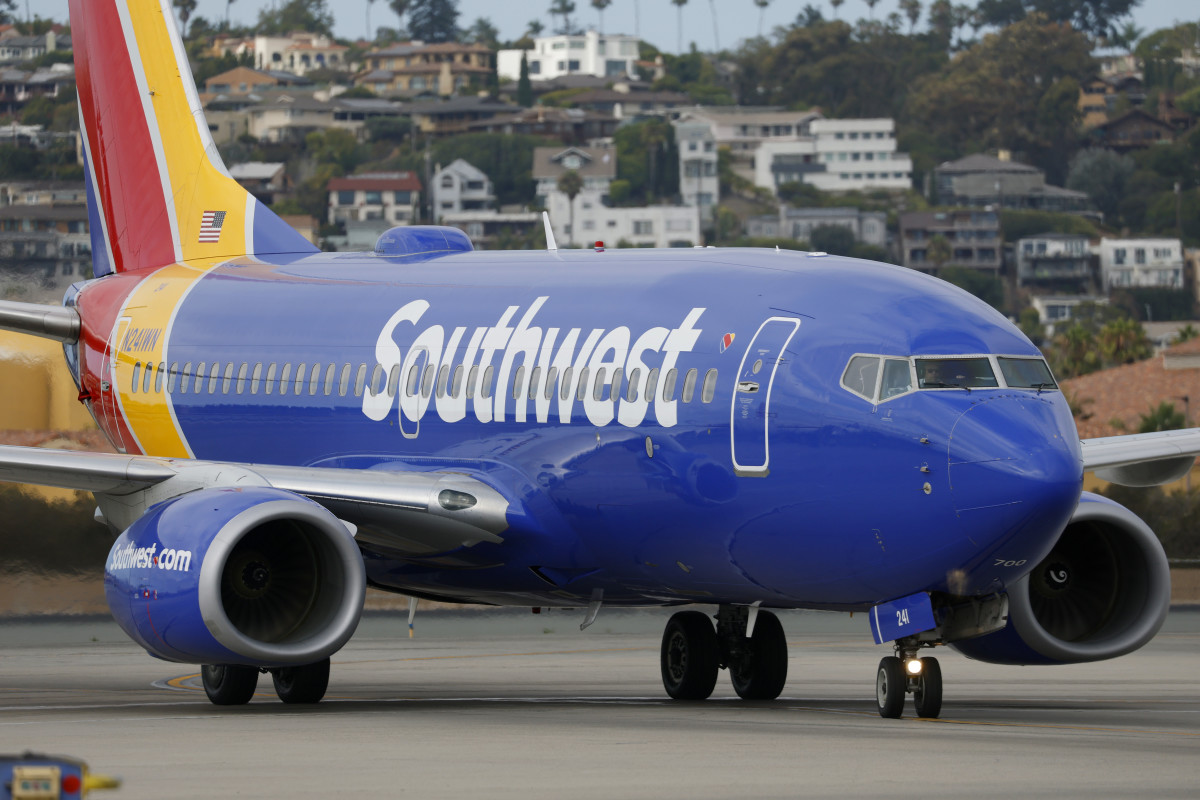
Currently, Southwest continues to prioritize domestic travel, with only a limited number of international routes available. These typically include short-haul destinations such as Mexico, Central America, and the Caribbean. The airline’s fleet aligns with this strategy, as it exclusively operates Boeing 737 aircraft. All of these planes have a similar layout and seating configuration, with no first or business class sections. However, Southwest is beginning to introduce a few seats with extra legroom to enhance passenger comfort.
Expanding Into International Markets
Despite its current focus on domestic travel, Southwest has indicated that it intends to grow its international offerings. Initially, the airline planned to add new destinations that could be reached by its existing 737 fleet. In a statement earlier this year, Southwest said, “Southwest Airlines is continuing to consider ways to grow our business as we evolve to meet the needs of our current and future customers. One of the things we are exploring is the potential to expand our network to new international destinations on our Boeing 737 aircraft.”
However, recent comments from CEO Bob Jordan suggest that the airline is also considering long-haul flights to Europe and other overseas locations. This would mark a major departure from its current strategy.
Challenges in Implementing Long-Haul Flights
While the idea of flying to Europe might attract customers and help Southwest compete with airlines like Delta, United, and American, there is a clear issue: Southwest does not currently have the right aircraft to make such trips feasible.
Long-haul flights between the U.S. and Europe typically require widebody aircraft like the Boeing 787 Dreamliner or the Airbus A350. These planes offer greater range, increased capacity for passengers and cargo, and more space for comfort. Southwest, however, operates only narrowbody 737 aircraft, which are not designed for transatlantic travel.
Jordan recently stated, “Should we choose to fly to Europe, that’s not a mission the 737 Max will do, so we need a different aircraft.” This highlights a fundamental challenge for the airline if it is to pursue long-haul international routes.
Financial Considerations
Purchasing widebody aircraft would be a massive investment. According to data from Axon Aviation Group, each widebody plane can cost over $200 million. For a company like Southwest, which has traditionally relied on a single type of aircraft, this would represent a significant shift in both strategy and finances.
Potential Solutions
Despite these hurdles, Southwest may not be rushing into buying widebody aircraft immediately. Jordan suggested that the airline could take a more risk-tolerant approach, potentially using narrowbody planes for long-haul trips initially. “It could be that a widebody is just too much, at least for a start,” he said.
This approach could allow Southwest to test the waters before committing to a full-scale fleet expansion. However, regardless of the path it takes, it is clear that Southwest has a challenging road ahead if it is truly looking to establish itself in the long-haul international market.

Post a Comment for "Southwest's European Expansion Hits Hurdles"
Post a Comment