United Calls Spirit Airlines a "Failed" Experiment
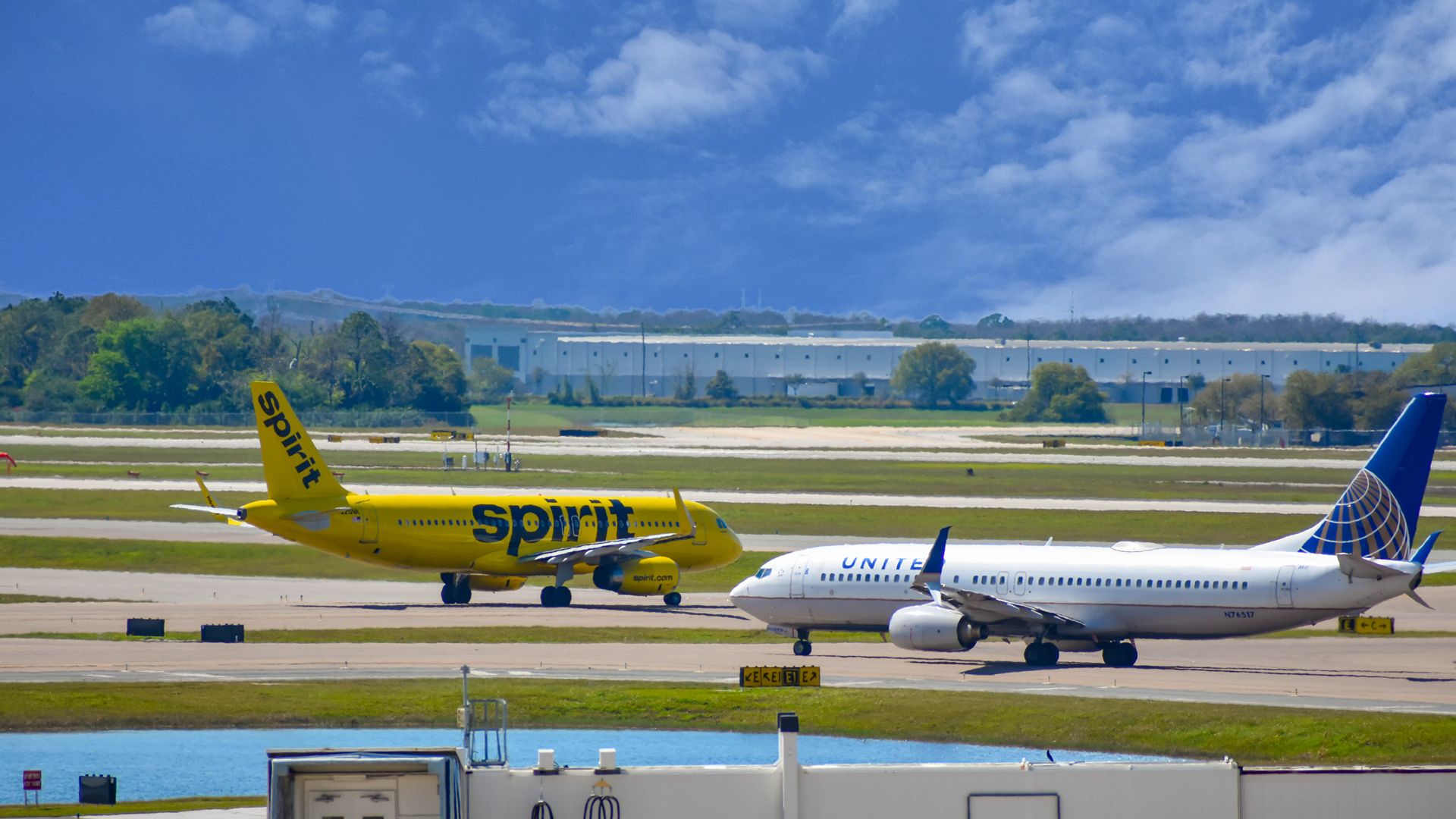
United Airlines CEO Predicts Spirit Airlines' Demise
United Airlines CEO Scott Kirby has made a bold prediction that Spirit Airlines, an ultra-low-cost carrier (ULCC), may not survive much longer. This comes as Spirit files for its second bankruptcy in just 12 months, raising concerns about the airline's long-term viability. Kirby, who has been a vocal critic of discount airlines throughout his career at United, has described their business model as "an interesting experiment" that ultimately failed.
Kirby made his remarks during a speech at the US Chamber of Commerce's 2025 Global Aerospace Summit. He stated that customers don’t like Spirit and claimed, "the consumer has voted." When asked why he was so confident in his prediction, Kirby simply replied, "Because I'm good at math."
Despite emerging from Chapter 11 proceedings in March with a restructured product offering and network, Spirit reported a $245 million net loss for Q2 2025—more than the $192 million it lost the previous year. Before entering its second bankruptcy in August, the airline warned that it might not be able to continue operating without significant improvements in its financial performance.
A Response from Spirit Airlines
Spirit quickly responded to Kirby’s comments, highlighting its new Spirit First and premium economy options while suggesting that United executives might be talking about them because they’re struggling. The airline took to its X account to say, "Scott is finally right about something - it is all about customers. Our Guests love low fares, especially our new Spirit First and Premium Economy options."
Kirby has long criticized the low-cost business model, arguing that it is fundamentally flawed. He emphasized that "you can't have a business model that customers hate" built around the principle of "screw the customer." While Frontier Airlines, another U.S. discount carrier, is doing better than Spirit, it still faces challenges, posting a larger-than-expected net loss for Q2 2025. Despite record revenues in Q1 2025, the airline still turned a net loss due to rising costs and lower average fares.
Low-cost airlines often operate on thin margins, leading to accusations of squeezing passengers for additional revenue. Ryanair, for example, is known for overcharging for seats, bags, and boarding passes, yet it continues to generate billions in profits annually. In Spirit's case, more than half of its revenue comes from ancillary fees.
What’s Next for Spirit?
Spirit filed for Chapter 11 bankruptcy last month, marking its second time entering bankruptcy protection in under a year. Under its previous restructuring, the airline converted nearly $800 million in debts into equity. However, Spirit’s CEO, Dave Davis, admitted there is still "much more work to be done" in its second attempt at turning things around.
One of the key steps in this effort involves making extensive network adjustments. The airline recently announced it would drop flights to 11 U.S. cities, including Albuquerque, Birmingham, Boise, Chattanooga, Columbia, Oakland, Portland, Sacramento, Salt Lake City, San Diego, and San José. Spirit has also listed dozens of its A320ceo fleet for sale and plans to pursue new leasing agreements ahead of a possible downsizing. Additionally, the airline has borrowed the full $275 million available under its revolving credit facility.
As the airline navigates these challenges, the future remains uncertain. With United Airlines aggressively targeting some of Spirit’s key markets, the pressure on Spirit to survive is mounting. Whether it will be able to recover or if Kirby’s prediction proves accurate remains to be seen.

Post a Comment for "United Calls Spirit Airlines a "Failed" Experiment"
Post a Comment