Will London's Tube Strike Signal Future Transport Disruptions?
A Week of Disruption and Reflection on the London Underground Strike
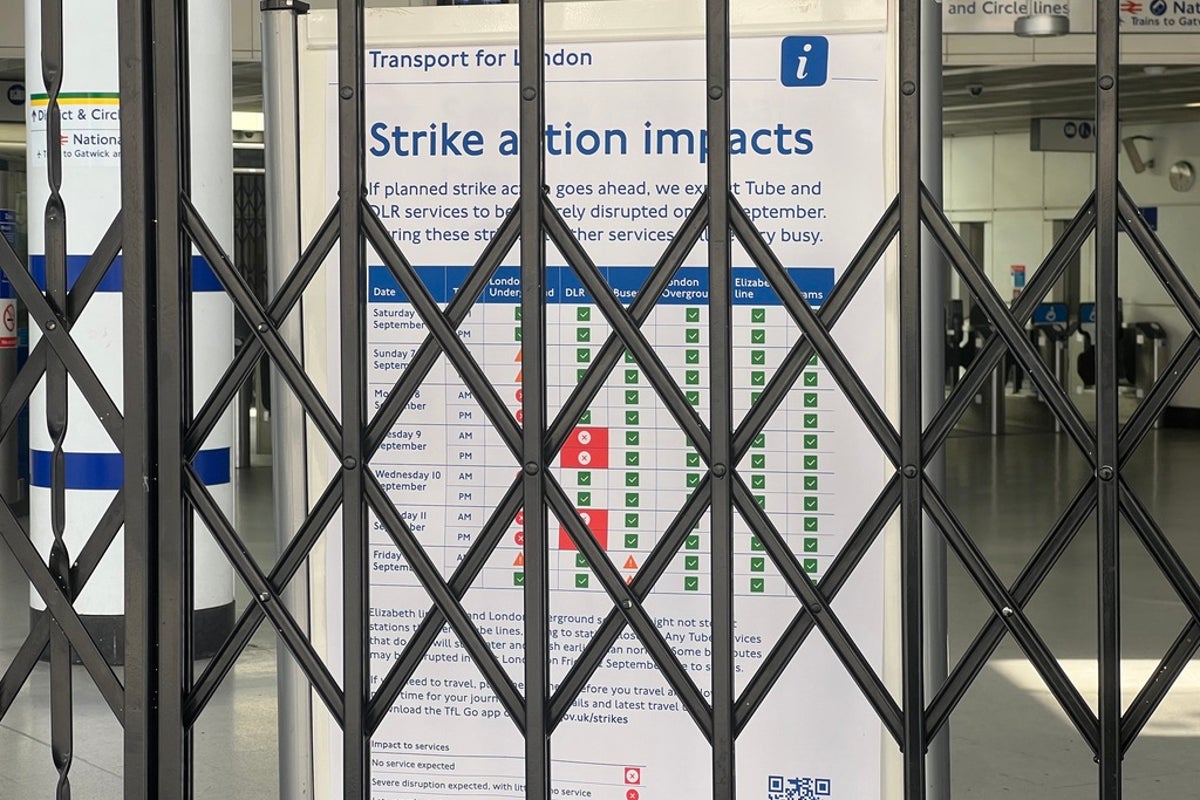
One of the most intriguing tasks I faced over the past week was determining which parts of the London Underground network would be operational on any given strike day. The RMT union, representing workers for the London Underground, initiated a series of strikes that brought the city to a near standstill. While most of the Tube network was shut down, each day saw a few random stretches of the system reopened. These were often the outermost sections, such as the short stretch between Arnos Grove and Cockfosters on the Piccadilly line. However, on Tuesday, I managed to complete a loop through central London using the briefly revived Northern line.
On the final full day of the strike, my journey was completed via the Metropolitan line from Baker Street to Harrow-on-the-Hill. This particular trip was significant not only because it offered a rare glimpse into the historical roots of the underground network but also because it highlighted the unusual circumstances under which it was operating. Baker Street is one of the original stations on the world’s first underground passenger railway, which opened in 1863. With most platforms locked, it was clear that the train was departing from platform 4, even without the need for the legendary Sherlock Holmes.
The journey was almost entirely empty, with very few passengers aboard. News of the temporary service had not spread widely. At Finchley Road, however, I was joined by an unexpected companion: a pigeon that moved around the train before taking flight at Northwick Park. It was a peculiar sight, adding a touch of humor to an otherwise serious situation. Upon arriving at Harrow-on-the-Hill, among the small group of passengers passing through the ticket barrier was a young fare dodger who managed to bypass the gates unnoticed.
From the perspective of Transport for London (TfL), the decision to run these limited services seemed somewhat tokenistic. Rather than offering people certainty about the absence of trains, the company opted for brief, sporadic operations that were largely unused.
The RMT union has expressed satisfaction with the effectiveness of the strike, which aimed to push for a 32-hour, four-day workweek. According to the union, workers are being pushed to exhaustion, and its general secretary, Eddie Dempsey, claims that shift work reduces the life expectancy of Tube workers by 10 years. TfL, however, argues that the proposed changes are unaffordable and impractical.
Despite differing perspectives on the merits of the strike, the RMT's strategy was remarkably efficient. They targeted key groups of workers on successive days, including control staff on Sunday, train and station workers on Monday and Wednesday, signallers on Tuesday and Thursday. This approach allowed employees to lose a maximum of two days’ pay while causing the network to be closed between Sunday evening and Friday morning. For many staff, there was simply no work to do for several days, effectively granting them a week off on full pay.
Calculations suggest that the strikers collectively lost £2 million in wages, while TfL suffered a loss of £40 million in revenue. The economic impact extended beyond the transport sector, with UKHospitality reporting losses of £110 million in hotels and restaurants. An independent study estimated the overall economic damage at £230 million, highlighting the considerable influence of the RMT.
With no immediate signs of compromise, the success of this strike may encourage further industrial action, following a similar pattern. As Mr. Dempsey steps into the shoes of former RMT leader Mick Lynch, who gained significant attention in recent years, the potential for increased pressure on TfL remains high.
However, there are risks involved. A previous academic study titled “The Benefits of Forced Experimentation” found that about five per cent of commuters discovered better routes to work during a previous Tube stoppage. TfL’s financial situation is already strained, with a £40 million deficit resulting from last week’s strike. Diverting some of the core market to Thames Clippers or bike-sharing services could have long-term implications for revenue.
Shrinking the size of the "cake" while demanding a larger slice is a bold move. Yet, the RMT and other transport unions are likely to draw lessons from the efficiency of this strike. My journey from Baker Street, though brief, provided a unique insight into the complexities of the situation, both for the workers and the city they serve.

Post a Comment for "Will London's Tube Strike Signal Future Transport Disruptions?"
Post a Comment