Florida's Snorkel Trail Protects Ocean's Coral
The Importance of Coral Reefs
Coral reefs are among the most valuable coastal ecosystems on the planet, supporting the livelihoods of nearly a billion people. These vibrant underwater habitats provide essential resources such as food, medicine, and employment, while also playing a critical role in maintaining marine biodiversity. From colorful coral formations to diverse marine life, these ecosystems are not only visually stunning but also ecologically significant.
However, coral reefs around the world are facing unprecedented threats from both human activities and natural stressors. As a result, scientists and conservationists are exploring innovative ways to protect and restore these vital environments. One such approach involves using sound to encourage the settlement of coral larvae, helping to regenerate damaged reefs. Another method is the creation of snorkel trails that serve as both educational tools and artificial reef structures.
Florida's Coral Reef Ecosystem
Florida is home to one of the most extensive coral reef systems in the world, ranking as the fifth largest globally. Stretching over 360 miles, the Florida Reef is the largest coral reef ecosystem in the continental United States. To help preserve and rebuild this natural wonder, initiatives like the Guardians of the Reef project have emerged. This project, part of the larger 1000 Mermaids Artificial Reef Project, is a collaboration between Ocean Rescue Alliance International (ORAI) and the City of Hollywood.
The Guardians of the Reef installation includes artificial reef modules designed to be both functional and artistic. Each module features 100 Coral Lok anchors, which allow lab-grown coral to be easily attached—similar to screwing in a light bulb. This efficient method provides a stable foundation for coral growth, enabling the expansion of marine habitats in a scalable way. In addition to its ecological benefits, the project aims to raise awareness about the importance of protecting Florida’s coral reefs and the surrounding ocean waters.
The Evolution of Artificial Reefs
Artificial reefs are not a new concept. While the idea of using man-made structures to support marine life dates back to the 1800s, it wasn’t until the 1970s and 1980s that the practice became more widespread. Initially, decommissioned military ships, old boats, train cars, and vehicles were used as artificial reefs. However, these early efforts were often criticized for being an improper way to dispose of waste.
Today, artificial reefs are carefully designed with materials that are durable, non-toxic, and environmentally friendly. Common materials include concrete, limestone, and steel. Some artificial reefs are created as works of art, while others are designed to blend seamlessly with existing natural reefs. These structures provide a safe environment for coral to grow, either naturally or through laboratory cultivation.
Benefits of Artificial Reefs
Artificial reefs offer numerous benefits to both marine ecosystems and local communities. By providing a stable base for coral growth, they help restore degraded habitats and attract marine life that depends on these environments for survival. Within nine months of deployment, coral growth becomes visibly noticeable, and by 1.5 years, the reefs are teeming with marine life.
These thriving ecosystems support commercial and recreational activities, including fishing and tourism. They also contribute to scientific research and environmental education, offering opportunities for people to learn about marine conservation and the importance of protecting our oceans.
Exploring the Guardians of the Reef Trail
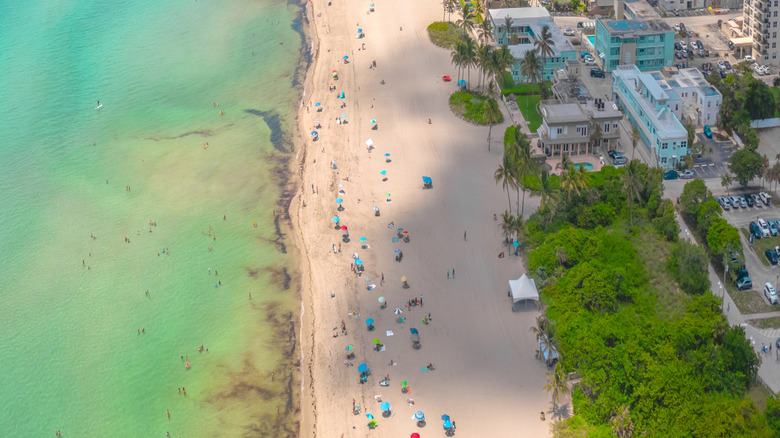
In May 2025, ORAI installed approximately 50 artificial reef modules across four sites near the shore of Hollywood, Florida, creating a snorkel-friendly trail at depths ranging from 8 to 15 feet. According to Shelby Thomas, founder and CEO of ORAI, the project is about building “cities in the sea” for marine life while creating an underwater museum that promotes ocean stewardship.
The modules are marked with orange buoys and feature symbolic elements, such as sculptures of mythological figures like Amphitrite and Poseidon, who are associated with the ocean. There is also a selfie sculpture and a mermaid tail, encouraging divers to connect with the coral. Each module also includes depictions of sea animals that represent traits important for marine conservation, such as an octopus symbolizing adaptability and wisdom, and a turtle representing longevity and peace.
Responsible Interaction with Artificial Reefs
It is crucial to interact with artificial reefs responsibly to avoid causing damage. Visitors should avoid touching, standing on, or removing any parts of the reef modules. It is also important not to disturb the marine life that inhabits these areas. Access to the snorkel trail should be limited to designated public parks, and individuals should remain alert while in the water due to boat traffic. To ensure safety, it is recommended to use a “diver down” flag when snorkeling in these areas.

Post a Comment for "Florida's Snorkel Trail Protects Ocean's Coral"
Post a Comment