Shark-Infested Beach in California: Not for the Faint of Heart
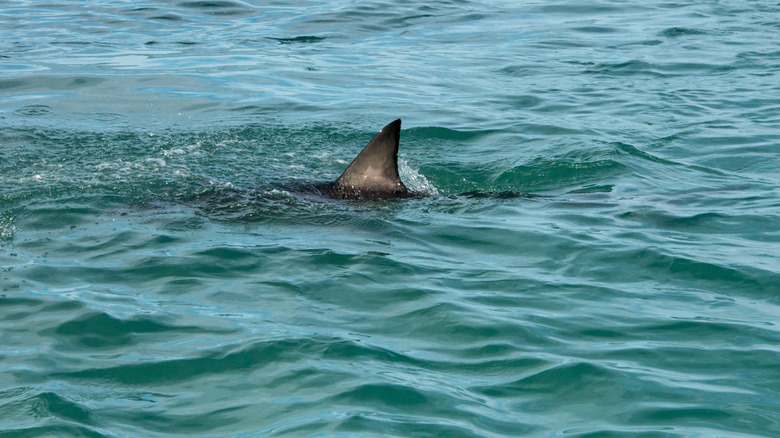
Stinson Beach: A Stunning but Shark-Infested Destination
Stinson Beach, located in Marin County, Northern California, is a picturesque destination known for its white sand and scenic hiking trails. While it may not be as notorious as beaches like Australia's Byron Bay or Florida's New Smyrna Beach, it still holds a reputation for being one of the most shark-infested areas in the United States. This unique combination of natural beauty and potential danger makes it an intriguing spot for visitors who are willing to take precautions.
History of Shark Attacks at Stinson Beach
Although shark attacks are rare, Stinson Beach has had its share of incidents over the years. In 1998, a 16-year-old boogie-boarder was attacked by a great white shark while in shallow water. The boy suffered a deep laceration to his thigh, severed muscles, and required over 600 stitches, but he ultimately survived. Four years later, in 2002, another incident occurred when a 24-year-old surfer was attacked by a 15-foot-long white shark. The man managed to evade the attack by hitting the shark on the nose and only needed non-life-threatening surgery for injuries to his shoulder and leg. Following this event, lifeguards spotted a shark in the area, leading to a temporary closure of the beach for safety reasons.
Recent Shark Sightings and Safety Measures
In recent decades, there have been numerous shark sightings at Stinson Beach. When officials confirm the presence of a shark in the water, the beach is often closed to all recreational activities for several days. For example, a great white shark sighting in 2013 led to a five-day closure. Despite these closures, the chances of an actual shark attack remain very low. According to the California Department of Fish and Wildlife, between 1950 and 2021, there were fewer than three shark-human incidents per year on average, with fewer than two involving injuries.
Most encounters on the West Coast involve great white sharks, and while they can be dangerous, human deaths caused by these animals are extremely rare—averaging around one every five years over the past 20 years. Bites from other species, such as hammerhead or blue sharks, are even less likely.
Tips for Visitors
If you choose to visit Stinson Beach, it's essential to take certain precautions. Avoid swimming in waters where seals are active, as they are a known prey for sharks. Keep an eye out for signs of shark activity, such as circling birds or unusual behavior in the water. Using the buddy system and paying attention to warning signs on the beach can also help reduce risk. Stinson Beach has permanent informational signage that informs visitors about the presence of great white sharks in the area, which can be unsettling but serves as a reminder to stay alert.
Conclusion
While Stinson Beach offers stunning views and a wealth of outdoor activities, it's important to approach it with caution. The area's history of shark encounters, combined with ongoing sightings, means that visitors should be informed and prepared. By following safety guidelines and staying aware of their surroundings, travelers can enjoy the beauty of Stinson Beach while minimizing the risks associated with its wildlife.

Post a Comment for "Shark-Infested Beach in California: Not for the Faint of Heart"
Post a Comment