Which Hawaiian Island Fits You? Insider Guide to the Perfect Vacation Choice
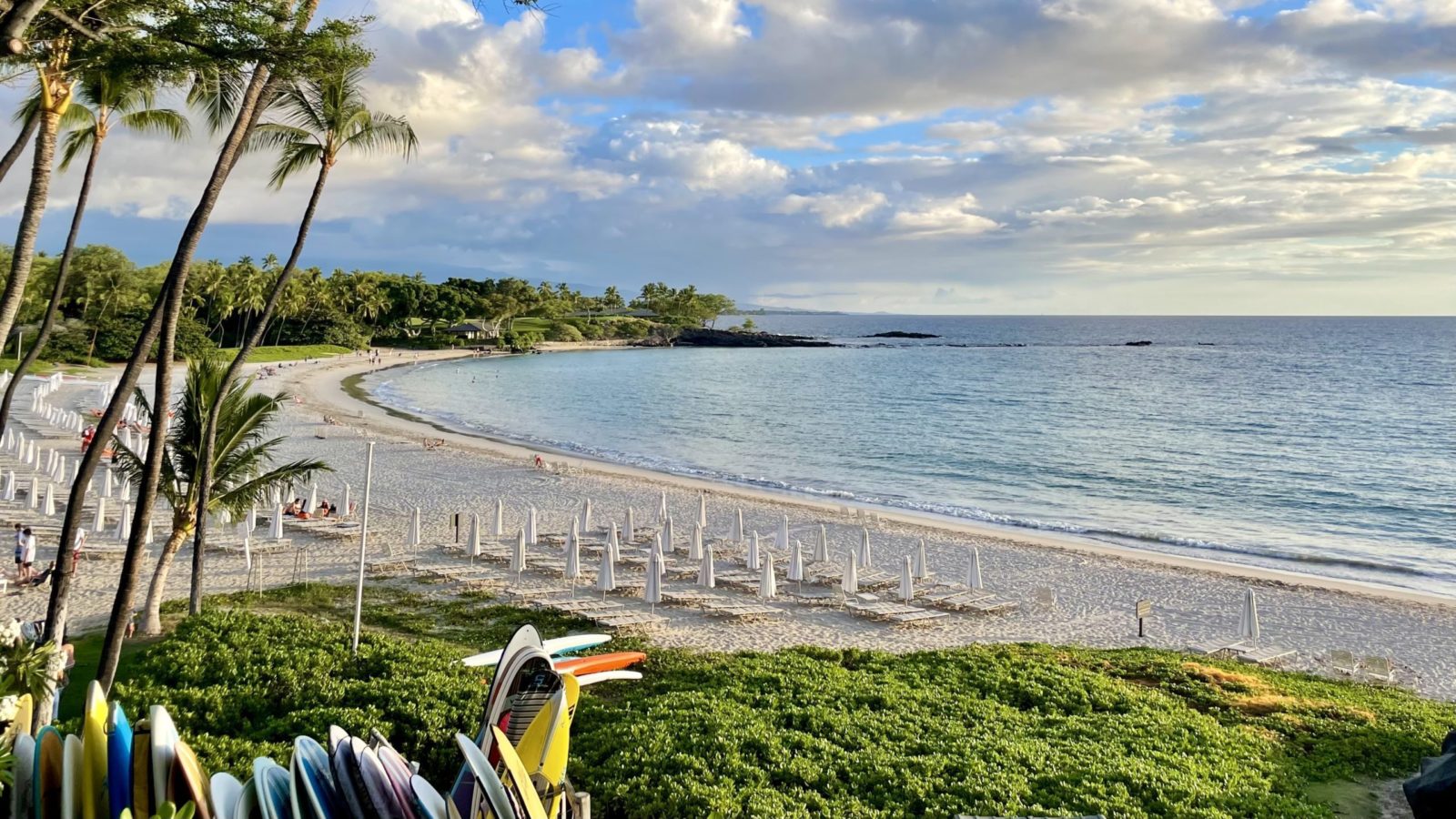
Overview of the Hawaiian Islands
The Hawaiian Islands consist of six main islands that are open to visitors: Kauaʻi, Oʻahu, Maui, Molokaʻi, Lānaʻi, and Hawaiʻi (also known as The Big Island). Each island offers a unique experience, making it essential for travelers to understand their distinct characteristics before planning a visit. While inter-island travel is possible, it’s often more practical to focus on one or two islands during a first trip. Flights between the islands can vary in cost depending on the time of year, so it's advisable to plan and book in advance to avoid unexpected expenses.
Despite the lack of all-inclusive vacation packages, there are family-friendly resorts that come close to offering a comprehensive experience. These accommodations provide a range of amenities and activities, making them ideal for those looking for convenience and comfort during their stay.
A Closer Look at Each Island
Kauaʻi – The Garden Island
Kauaʻi, known as the Garden Island, is renowned for its lush landscapes and natural beauty. Visitors can enjoy hiking through dense forests, boating along scenic coastlines, and relaxing on pristine beaches. The island is home to the Kalalau Trail, which offers breathtaking views of the Nāpali Coast. This trail requires a reservation and careful preparation due to its challenging nature. Additionally, Waimea Canyon provides a variety of ways to experience its dramatic landscape, from drive-up lookouts to helicopter tours.
Oʻahu – The Heart of Hawaiʻi
Oʻahu, often referred to as the “Heart of Hawaiʻi,” is home to Honolulu and the famous North Shore surf spots. It offers a mix of cultural and historical attractions, including the Bishop Museum, Punchbowl Cemetery, and Pearl Harbor. For those interested in learning about Polynesian culture, the Polynesian Cultural Center provides an immersive experience with hands-on activities and traditional performances.
Maui – A Natural Wonder
Maui is celebrated for its stunning natural beauty and diverse activities. The island features the Haleakalā National Park, known for its otherworldly terrain and spectacular sunrise views. Visitors can also enjoy the Road to Hana, a scenic drive that showcases waterfalls, rainforests, and coastal views. Mākena State Park is another must-visit, offering beautiful beaches and opportunities for swimming and snorkeling.
Molokaʻi – The Old Hawaii Experience
Molokaʻi offers a glimpse into what many imagine as “Old Hawaiʻi.” With its rugged coastline, sea cliffs, and the expansive Papohaku Beach, the island is perfect for outdoor adventures. Visitors can explore the historic Kalaupapa Peninsula, which was once a quarantine site for those with Hansen’s disease. Access to this area requires a guided tour and prior planning.
Lānaʻi – Luxury and Adventure
Lānaʻi combines luxurious resort accommodations with rugged terrain. The island is known for its secluded beaches, such as Hulopoʻe Beach, which offers excellent snorkeling and hiking opportunities. The island’s remote location means fewer crowds, making it an ideal destination for those seeking tranquility and adventure.
Hawaiʻi (The Big Island) – Ecological Diversity
Hawaiʻi, or The Big Island, is the largest of the islands and offers a wide range of experiences. From black sand beaches to white sand beaches, the island is home to Volcanoes National Park, where visitors can witness active lava flows and stargazing opportunities at high elevations. The island also boasts bustling farmers’ markets and a rich cultural heritage.
Getting Around the Islands
Public transportation is limited on most islands, with Oʻahu having the most developed system. Renting a car is often the best option for exploring, but availability can be limited, so it's wise to book in advance. Uber and Lyft operate on several islands, but they may not be available in less populated areas. Tour companies often offer pick-ups at larger hotels and resorts, and airport shuttles are available in some locations.
Popular Destinations
Each island has its own must-see attractions. On Kauaʻi, Hanakapi’ai Falls and the Kalalau Trail are popular. Oʻahu features Diamond Head Crater and the Polynesian Cultural Center. Maui offers Haleakalā National Park and Mākena State Park. Molokaʻi is home to Kalaupapa and Pāpōhaku Beach, while Lānaʻi features Hulopoʻe Beach. The Big Island includes Puʻuhonua o Hōnaunau National Historical Park and Hawaiʻi Volcanoes National Park.
Tips for a Respectful Visit
As a visitor to Hawaiʻi, it's important to show respect for the land and local culture. This includes following Leave No Trace principles, using reef-safe sunscreen, and respecting marine life. Learning about local practices and engaging with the community can enhance the travel experience and foster a deeper appreciation for the islands.
Final Thoughts
With its diverse landscapes, rich cultural heritage, and unique experiences, the Hawaiian Islands offer something for every traveler. Whether you're seeking adventure, relaxation, or cultural immersion, choosing the right island can make all the difference in creating a memorable vacation. By planning ahead and respecting local customs, visitors can fully enjoy the beauty and charm of the islands.

Post a Comment for "Which Hawaiian Island Fits You? Insider Guide to the Perfect Vacation Choice"
Post a Comment