Top Reason Flight Turbulence Will Keep Worsening
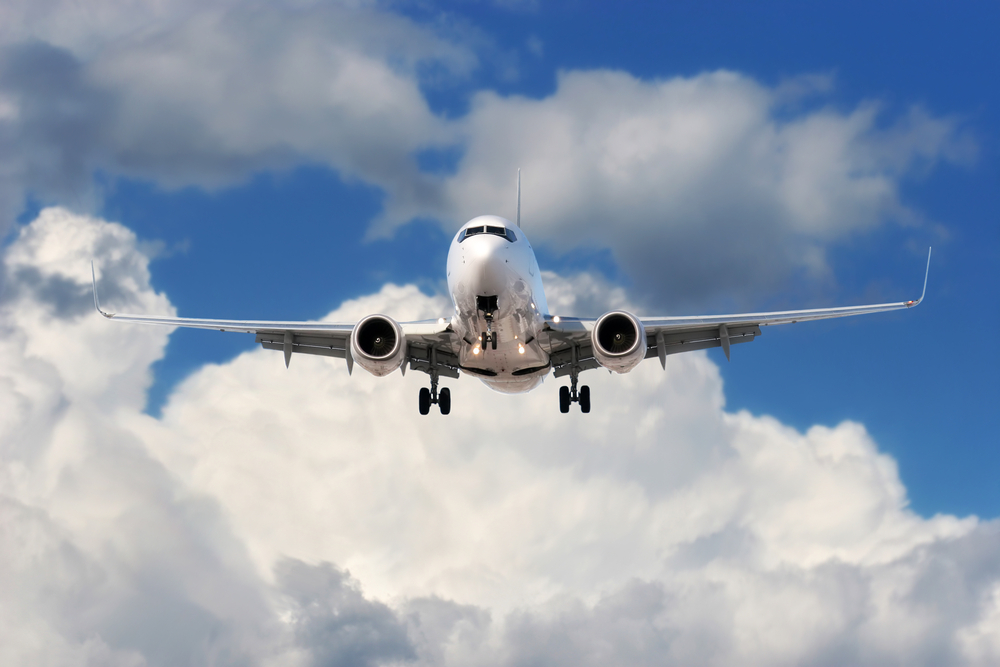
The Bumpy Future of Air Travel
Getting stuck in a middle seat on a long-haul flight or facing unexpected delays can be frustrating. However, encountering severe turbulence is an entirely different kind of travel nightmare. For many passengers, especially those who are not used to flying, rough skies can turn even the most seasoned travelers into anxious individuals. As it turns out, these experiences may become more common due to climate change.
A new study published in the Journal of the Atmospheric Sciences by scientists at the University of Reading in the U.K. highlights a growing concern: turbulence on flights is expected to worsen over time. This research builds upon previous findings and aims to better understand how rising global temperatures affect jet streams—high-altitude air currents that commercial airlines typically navigate around 35,000 feet.
The researchers found that increasing global temperatures have led to stronger wind shear, which refers to changes in wind speed and direction at different altitudes. These variations can create a bumpier flight experience for passengers. While some turbulence is natural, the current conditions are creating new challenges for pilots and passengers alike.
Joana Medeiros, a PhD researcher at the University of Reading and the lead author of the study, explained that increased wind shear and reduced stability contribute to clear-air turbulence. Unlike turbulence caused by storms, this type of turbulence is invisible and cannot be detected by radar. This makes it particularly challenging for pilots to avoid.
Turbulence on the Rise
The latest findings align with earlier research conducted by the same team. In a 2023 study published in Geophysical Research Letters, the researchers analyzed data from flight routes over the North Atlantic and found a significant increase in turbulence. Reports showed a 55% rise in hours of severe turbulence, jumping from 17.7 hours in 1979 to 27.4 hours at the start of the current decade. Moderate and light turbulence also increased by 37% and 17%, respectively.
The impact of this turbulence extends beyond passenger discomfort. According to Mark Prosser, a co-author of the 2023 study, the U.S. airline industry is spending between $150 million and $500 million annually due to turbulence-related effects. Increased exposure to turbulence also leads to more wear and tear on aircraft, potentially increasing maintenance costs.
In addition, turbulence has resulted in injuries. According to National Transportation Safety Board (NTSB) data, there have been 207 people hospitalized for at least two days with severe injuries caused by turbulence in the U.S. since 2009, as reported by the BBC.
What’s Next for Air Travel?
The implications of these findings are significant. Experts warn that turbulence will likely continue to increase globally. Paul Williams, a co-author of the study and atmospheric scientist at the University of Reading, told the BBC that severe turbulence could double or triple in the next few decades. He noted that for every 10 minutes of severe turbulence experienced today, that could increase to 20 or 30 minutes in the future.
While not all turbulence will result in serious injuries, it could still significantly impact the flying experience. Pilots may need to keep seatbelt signs on for longer periods and suspend cabin services more frequently during flights. Airlines will also need to invest in new technologies to detect turbulence before it occurs, ensuring the safety and comfort of passengers.
As climate change continues to shape the world around us, the skies may become more unpredictable. For travelers, this means being prepared for a more turbulent journey ahead.

Post a Comment for "Top Reason Flight Turbulence Will Keep Worsening"
Post a Comment