A hidden Greek gem for a late-season getaway
A Journey Through Lesvos: The Hidden Gem of the Aegean
As I traveled along the winding road, dense pine forests lined both sides, occasionally revealing ancient stone bridges, abandoned mansions, and small villages crowned with sturdy stone windmills. My destination was a unique natural wonder—Lesvos’s petrified forest, located a two-hour drive from the capital, Mytilene. This remarkable site, where trees buried under volcanic ash millions of years ago turned to stone, is often referred to as “the Pompeii of the plant world.” Geologist Parthenoppi explained that Lesvos holds the largest petrified forest in the world, making it a significant geological treasure.
The Petrified Forest, which is being considered for UNESCO World Heritage Site status, offers a glimpse into an ancient past. As we walked through the area, Parthenoppi showed me the sectioned trunks of massive fossilized sequoias, their surfaces resembling salmon-colored glass. She described them as "zombie trees," noting how silica slowly took over the cells over millions of years. This unique phenomenon makes the site not only visually stunning but also scientifically fascinating.
Beyond the petrified forest, Lesvos is filled with surprises. Unlike more popular Greek destinations such as Rhodes, it remains relatively untouched by British tourists, with only 114 flights departing from Britain this year compared to 4,593 for Rhodes. However, this lack of crowds adds to the island’s charm, offering a more authentic experience.
My stay at the Loriet, a historic mansion known as an arxontiko, was an unexpected delight. Built during a time when Lesvos was a hub for maritime trade due to its proximity to Turkey, the hotel features marble stairs, a bronze cupola, and castle-like turrets. Inside, there were frescoed ceilings and antique furniture, making it easy to imagine the prosperous ship owner who once lived there, sipping ouzo—a drink invented on the island.
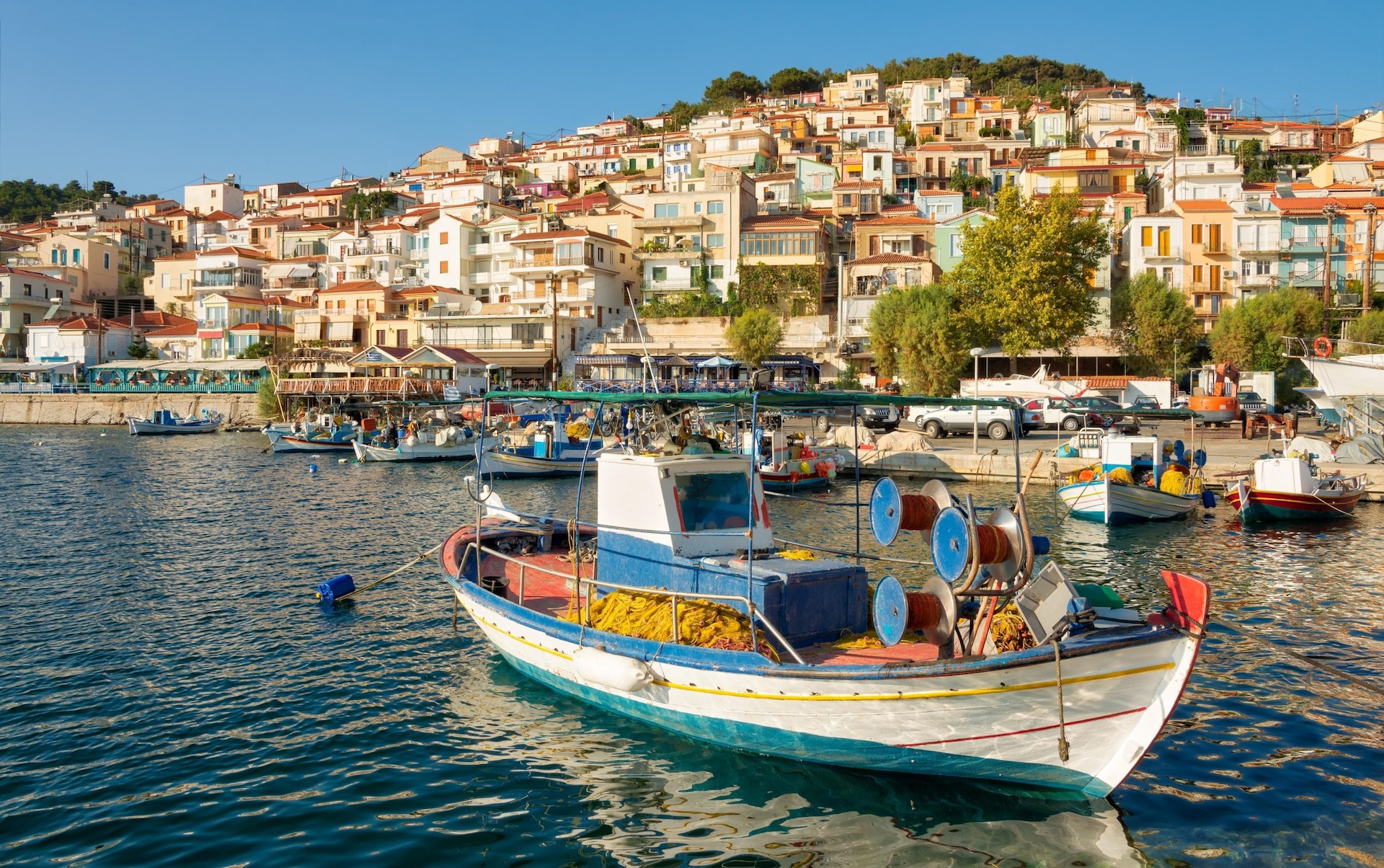
The following day, my guide Maria led me through Mytilene, the island’s capital. We visited the vast harbor, mentioned by historian Thucydides as early as the 4th century BC. Despite the island’s fishing industry, Maria pointed out the challenges posed by its proximity to Turkey, with the Turkish port of Ayvalik just 10 kilometers away.
After a pit stop for meze snacks in the Ladadika district, we explored the medieval castle ruins of Mytilene, one of the largest in the Aegean. Its hillside location made it resemble a small turreted town, offering panoramic views of the surrounding landscape.
Maria also introduced me to the Teriade Museum, home to a collection of works by renowned artists like Chagall, Picasso, and Matisse. The museum, named after Greek artist Stratis Eleftheriadis, is a hidden gem that few visitors are aware of, with only 5,000 visitors last year.
Skala Eresou, the resort where poet Sappho was born, has a distinct vibe, reminiscent of Rishikesh with its patchouli-scented stores and meditation retreats. It offers a different kind of cultural experience, blending history with modern wellness trends.
In the mountain village of Anemotia, I met Eleni Sivri, who leads the Ifestio Social Co-operative Enterprise. She shared her story of returning to Lesvos after the pandemic, driven by a desire to live a better life away from the city. Her co-operative focuses on restoring vineyards and supporting organic farming, highlighting the island’s commitment to sustainability.
Back on the coast, I visited Plomari, known for its long tradition of ouzo production. The local distillery, World of Ouzo, produces three tons of ouzo daily, exporting to 50 countries. The traditional copper stills, called amvyka, are a testament to the island’s heritage.
A speedboat tour around Geras Bay offered a glimpse of the island’s natural beauty, with white pebbles, turquoise waters, and picturesque landscapes. Unlike crowded destinations, Lesvos remains a peaceful escape, offering a true taste of Greece.
Where to Stay
- The Loriet: Double rooms start from £75.
Where to Eat
- Vagies in Akrotiri
- Kafenion Adonis in Kagiani
- Ta Chania in Vatousa
- The Women’s Co-operative of Petra
What to Do
- Relax in the hot springs at Therma Spa Lesvos
- Explore the traditional architecture in Agiasos village
- Meet third-generation potter Stelios Stamatis
- Visit the 18th-century church of the Virgin Mary Glykophilousa
For more information, visit discovergreece.com.

Post a Comment for "A hidden Greek gem for a late-season getaway"
Post a Comment