Broad Minded: The Director on LA's Impact and Olympic Vision
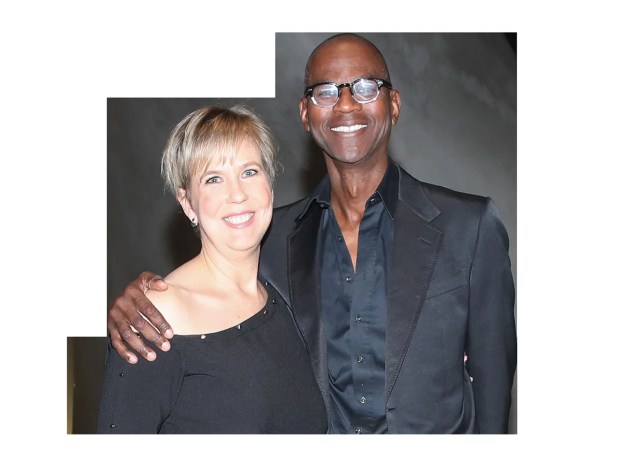
A Decade of Transformation and Vision
As The Broad celebrates its 10th anniversary, the founding director and president, Joanne Heyler, reflects on the museum’s profound impact on downtown Los Angeles and the city's evolving cultural landscape. The Broad, a striking architectural marvel, has become a central hub for contemporary art and community engagement in the heart of Grand Avenue.
The Broad was conceived by the late Eli Broad and his wife, Edyth L. Broad, who began collecting contemporary art over half a century ago. Their vision led to the creation of this iconic white structure, designed by Diller Scofidio + Renfro in collaboration with Gensler. Nestled beside Frank Gehry’s Walt Disney Concert Hall, the museum has transformed the area into a vibrant cultural destination.
"Over 6.5 million visitors later, it's easy to forget The Broad is very much a 'start up' — it's still a young institution," Heyler says. "We've had a lot of success in our first 10 years, yet our real goal is to keep going, keep evolving. We don't look back as much as we look ahead to what we can do in the future."
Looking Ahead: Expanding the Vision
This forward-thinking approach is evident in the recent groundbreaking for a $100 million, 50,000-square-foot addition. Expected to open in time for the 2028 Summer Olympics, the new building will significantly expand the museum’s capacity. Designed by the same team behind the original structure, the expansion will add 70% more space for displaying art, including skylit galleries and open-air courtyards. One unique feature will be an immersive experience of the storage "vault," where visitors can explore the vast collection of over 2,000 works.
Heyler emphasizes that the focus remains on art and artists. In its first decade, The Broad has hosted exhibitions featuring some of the most influential figures in contemporary art, such as Cindy Sherman, Keith Haring, Jasper Johns, and many others. These exhibitions have not only drawn art enthusiasts but also attracted celebrities and artists, creating a dynamic atmosphere that continues to draw crowds.
A Social Space for All
The Broad's welcoming environment is reflected in its design. The lobby lacks a traditional entry desk or check-in counter, intentionally crafted to foster a sense of community. "Museums are social spaces—and I wanted to lean on that as much as possible at a time when we are so isolated on our screens of our phones and monitors of our home computers," Heyler explains. "We decided to make sure fundamentally that The Broad would be a social experience—a museum with emotional intelligence."
This philosophy extends to the museum's public engagement. Lines often snake out the door and around the block, showcasing the popularity of the venue. The transparent glass façade allows staff to gauge the museum's busyness by observing the number of food carts parked outside. This connection to the surrounding street life enhances the overall visitor experience.
Curating a Unique Collection
The Broad's collection, amassed by the Broads, is renowned for its quality and depth. "When it comes to the core of things—mainly, the collection—we want to focus on continuing to follow individual artists through their careers and collect in depth," Heyler says. This approach sets The Broad apart from other institutions, as it focuses on expressing eras through singular voices rather than covering a broad range of artists.
The results of these relationships are evident in the galleries, which showcase more works by artists like Jean-Michel Basquiat, Roy Lichtenstein, and Andy Warhol than any other museum in the city. "We can show mini-retrospectives for a lot of artists and will do more as the collection grows and when our expansion opens," she adds. "Depth takes time to do right, but the benefit for our audience and deepening the integrity of the institution is worth the wait."
A Legacy of Civic Commitment
The Broad's success also reflects the broader transformation of downtown Los Angeles. "The existence of The Broad in relation to its location in Los Angeles is something we inherited from Eli, and this includes being profoundly civic-minded, with faith not only in L.A. as a city but in downtown specifically—even against the odds," Heyler says. Eli Broad's vision for downtown has helped create a thriving cultural landscape, with institutions like MOCA, the Walt Disney Concert Hall, and Gloria Molina Grand Park flourishing as a result.
As The Broad looks to the future, it continues to embrace its role as a beacon of creativity and community. With its upcoming expansion and ongoing commitment to artistic excellence, the museum is poised to remain a vital part of Los Angeles' cultural identity for years to come.

Post a Comment for "Broad Minded: The Director on LA's Impact and Olympic Vision"
Post a Comment