FAA Seeks $3.1M for Hazard on Alaska Airlines Flight from Portland
Boeing Faces Significant Fines for Safety Violations
In recent years, the Boeing Company has increasingly been linked to aircraft malfunctions and incidents that have raised serious concerns about the safety of its planes. One such incident occurred in June when a Boeing 787-8 aircraft, departing from Ahmedabad, India, and heading to London Gatwick, crashed, resulting in the loss of all passengers and crew on board, except for one survivor. This tragic event, along with other reported issues, has led many to question whether Boeing aircraft are truly safe. Now, the Federal Aviation Administration (FAA) appears to be confirming these concerns.
On September 12, the FAA released a press statement proposing fines totaling $3.1 million against Boeing for multiple safety violations. Here’s a detailed look at what this means for the company and the aviation industry.
FAA Proposes $3.1 Million in Fines Against Boeing Due to Safety Violations
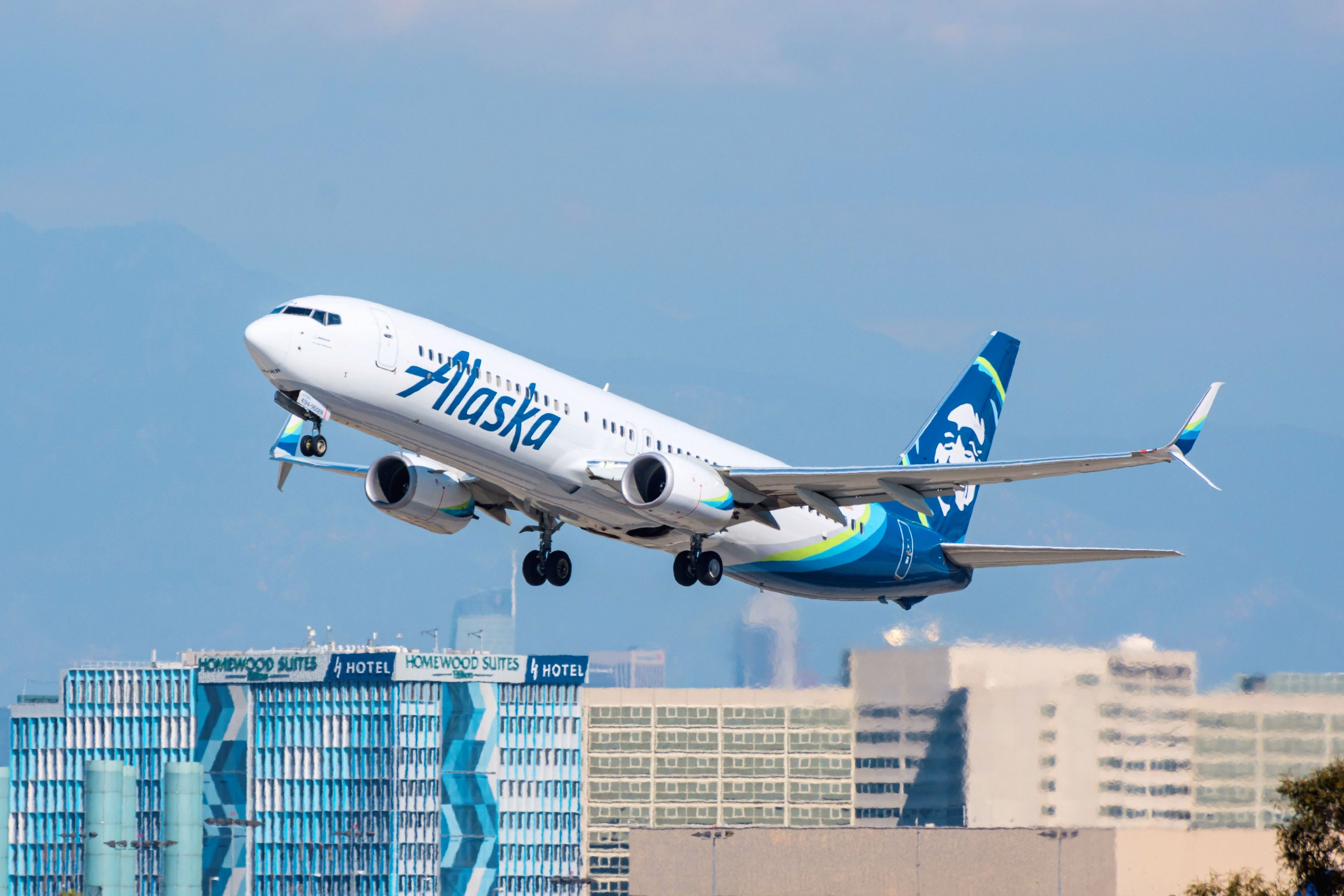
The proposed fines come as a result of several safety violations that occurred between September 2023 and February 2024. According to the FAA, these violations include actions related to a door plug blowout on a Boeing 737 MAX 9 aircraft operated by Alaska Airlines on January 5, 2024, and interference with the independence of safety officials. The FAA emphasized that it is using its maximum statutory civil penalty authority in accordance with the law.
Boeing has 30 days to respond to the proposed fine before the final amount is determined. In a statement released on Saturday, September 13, Boeing said it would review the FAA’s proposed civil penalty. The company also mentioned that it had implemented a safety and quality plan in 2024 that complies with FAA regulations. However, the question remains: on what basis is the FAA accusing Boeing of these violations?
Why Is the FAA Accusing Boeing of Safety Violations?
The FAA's accusations are rooted in specific incidents and systemic issues within Boeing’s operations. One notable event was the door plug blowout on an Alaska Airlines Boeing 737 MAX 9 aircraft in January 2024. This caused an uncontrolled decompression, but all 171 passengers and six crew members survived, with only three sustaining minor injuries.
However, the door plug issue is just one part of a broader pattern of safety concerns. The FAA found that Boeing pressured an employee from its Organization Designation Authorization (ODA) program to sign off on a Boeing 737-MAX aircraft even though it was considered unsafe. ODA is a program that allows companies to monitor their own regulatory compliance on behalf of the FAA. In this case, the system failed, leading to potential risks for passengers and crew.
An investigation also uncovered hundreds of quality system violations at Boeing’s 737 factory in Renton, Washington. Additionally, the FAA noted that Boeing subcontractor Spirit AeroSystems’ 737 factory in Wichita, Kansas, also violated safety protocols. The agency claims that Boeing presented two unairworthy aircraft to the FAA for airworthiness certificates and did not follow its quality system.
A History of Safety Concerns
This is not the first time that the safety of Boeing aircraft has been questioned. Whistleblowers have previously reported that dangerously flawed aircraft passed all required safety tests despite clear deficiencies. John Barnett, an ex-quality control manager, stated that the pressure to produce new aircraft compromised safety standards. Similarly, Boeing engineer Sam Salehpour warned that over 1,000 planes could face catastrophic failure unless critical issues were addressed promptly.
Boeing has consistently denied these allegations, despite numerous recorded aircraft accidents. The 737-MAX model, in particular, has been involved in two fatal crashes—one in Indonesia in 2018 and another in Ethiopia in 2019—resulting in nearly 350 deaths. Despite these incidents, the Justice Department negotiated with Boeing to avoid criminal prosecution.
Moving Forward
With the FAA’s proposed fines, there is hope that Boeing will finally be held accountable for its actions. The company must now address these violations and implement new policies to prevent similar incidents in the future. The aviation industry and the public will be watching closely to see if Boeing takes the necessary steps to restore trust and ensure the safety of its aircraft.

Post a Comment for "FAA Seeks $3.1M for Hazard on Alaska Airlines Flight from Portland"
Post a Comment