FAA Selects Defense Firm for Air Traffic Control Overhaul Despite No Civilian Aviation Background
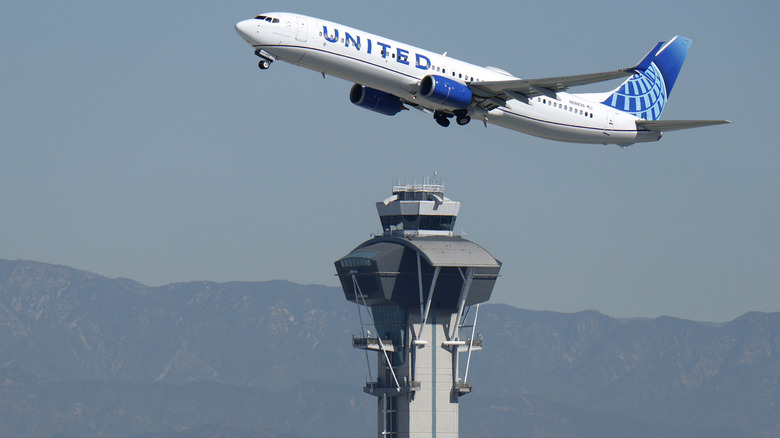
The Federal Aviation Administration (FAA) has taken a significant step in modernizing the United States' air traffic control system by awarding a contract to defense company Peraton. This move marks a departure from traditional practices, as the FAA typically manages such projects internally. In a statement, the agency described the contract as "innovative, first-of-its-kind," emphasizing that it aims to hold Peraton accountable for results. This decision aligns with the broader Trump administration's strategy of privatizing various aspects of government aerospace operations.
Peraton, however, is entering uncharted territory, as it lacks prior experience in managing civilian flight systems. Its primary competitor, Parsons Corp, had more relevant expertise, according to reports from the Associated Press. Despite this, Transportation Secretary Sean Duffy highlighted that Peraton's proposal included an "innovative approach" that could expedite the project's timeline. This accelerated pace is critical, as one of the project's key objectives is to complete the upgrades before the end of Donald Trump's presidency.
The project comes with several unique challenges. It is the first time the FAA is outsourcing such a critical infrastructure upgrade, employing a novel methodology and operating on an aggressive schedule. The scope of the work is extensive, involving 27,000 radios, 600 radars, 5,000 high-speed networking connections, and the construction of the first new Air Route Traffic Control Center since the 1960s. Additionally, one of the project’s priorities is Alaska, where BNATCS will install 110 new weather stations and 64 additional weather cameras.
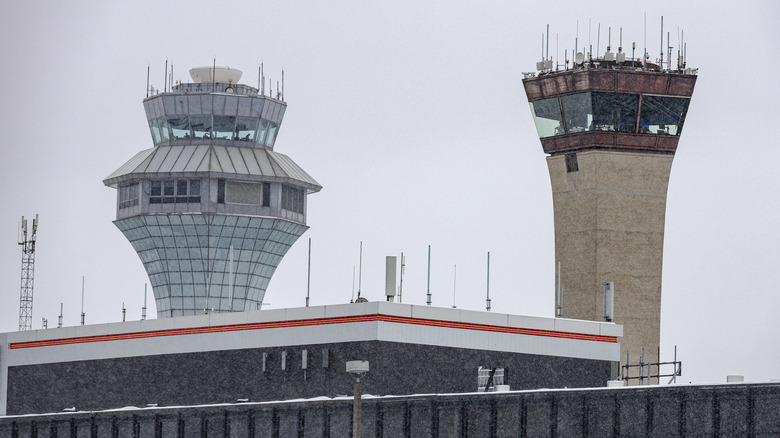
The scale of the air traffic control upgrades is staggering. The project, officially known as the Brand New Air Traffic Control System (BNATCS), is a monumental undertaking that includes replacing outdated infrastructure across the country. While the name may be difficult to pronounce, the implications are clear: the U.S. needs a modernized system to handle increasing air traffic safely and efficiently.
The FAA has faced significant challenges in recent years, including deep staffing cuts that have left the agency unable to manage large-scale projects independently. As a result, privatization has become the only viable option. This shift reflects the Trump administration’s push toward outsourcing government functions, even those that are critical to national safety.
Peraton, while not without its critics, has a track record of working with high-profile clients, including Special Operations Command, the Department of Homeland Security, and the National Park Service. However, the task of upgrading the entire U.S. air traffic control system presents a unique challenge, especially given the limited budget of $12.5 billion allocated through the One Big Beautiful Bill Act. Transportation Secretary Duffy has noted that this amount is nearly $20 billion short of what is needed, raising concerns about the feasibility of the project.
Despite these challenges, some progress has already been made. One-third of the old copper connections at control towers have been replaced with fiber-optic technology. Peraton will now take over the remaining work, though it will operate within the constraints of the available funding. At the very least, the project represents a step forward in addressing the aging infrastructure that has long plagued the aviation industry.
For now, the focus remains on completing the upgrades on time and within budget. With the stakes so high, the success of this project will be closely watched—not just by the FAA, but by the entire aviation community. Whether Peraton can meet these expectations remains to be seen, but the decision to go private marks a significant shift in how the U.S. approaches its critical infrastructure.

Post a Comment for "FAA Selects Defense Firm for Air Traffic Control Overhaul Despite No Civilian Aviation Background"
Post a Comment