Indigenous Designers Reclaim the Southwestern Blanket
The Legacy and Revival of Native American Blankets
For many, the image of a Native American blanket is one of striped and geometric woolen designs—mass-produced by companies like Pendleton Woolen Mills. These blankets, while iconic in American culture, often strip away the deep cultural significance that traditional Native American textiles carry. For the Lakota and Dakota peoples of the Fort Peck Assiniboine and Sioux Tribe, the concept of a “Native blanket” is far more complex and rich. Their heirlooms, made from buffalo hides, are vibrant and varied, adorned with figures, animals, glass beads, porcupine quills, shells, bone, and seeds, all stitched into intricate decorative designs.
This disconnect between popular perception and traditional craftsmanship has led to the rise of companies like Eighth Generation, founded in 2015 by Louie Gong (Nooksack), which is now owned by the Snoqualmie Tribe in Seattle. As Michelle Brown, Creative Director of Eighth Generation, explains, “As an Indigenous person, woven blankets are really a vehicle for storytelling for our nations.” The company was established as a reclamation of Native artistry, aiming to educate consumers about the diversity of Native craftsmanship and the importance of cultural authenticity.
A Mission of Empowerment and Cultural Respect
Eighth Generation’s mission goes beyond just selling products—it seeks to empower Native artists and ensure they retain ownership of their work. Jane Cho, CEO of Eighth Generation, emphasizes, “The ownership of the artwork is definitely a big point of difference.” Unlike other brands that may appropriate Native designs without credit, Eighth Generation ensures that the artists retain rights to their creations. This approach not only honors the creators but also fosters a more respectful relationship between Indigenous communities and the broader market.
The company’s motto, “Inspired Natives, not Native-inspired,” reflects this commitment. Designer Jamie Okuma, a member of the Council of Fashion Designers of America, sees this as a solution to cultural appropriation. “The only way we can combat that is by supporting the people actually making the real thing,” she says. By focusing on authentic collaboration and fair compensation, Eighth Generation sets a new standard for ethical consumerism in the fashion and design industries.
Spotlight on Native Artists and Their Work
Several Native artists have partnered with Eighth Generation to create unique and meaningful pieces that celebrate their heritage while meeting modern needs. Here are some of the standout artists and their works:
DY Begay
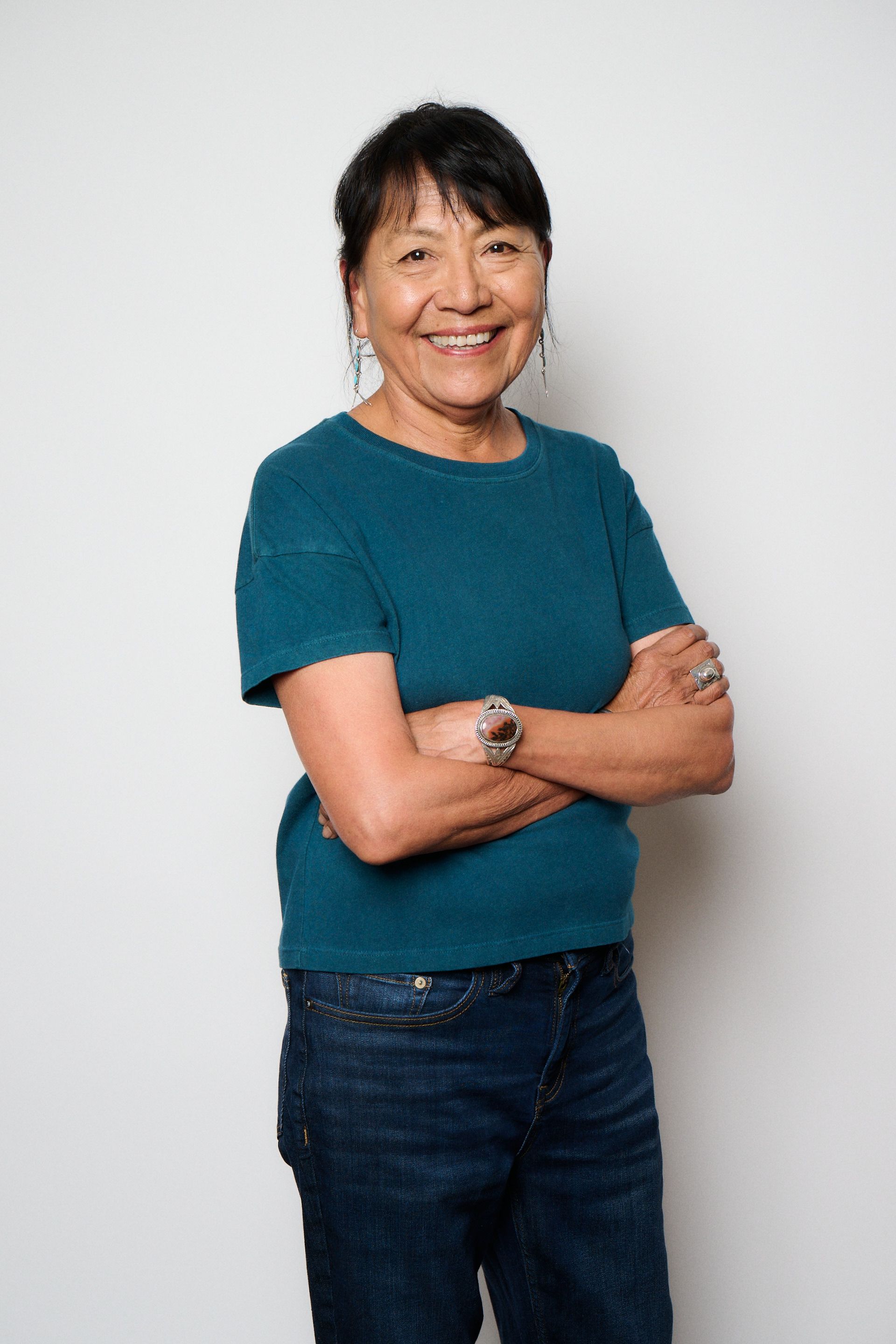
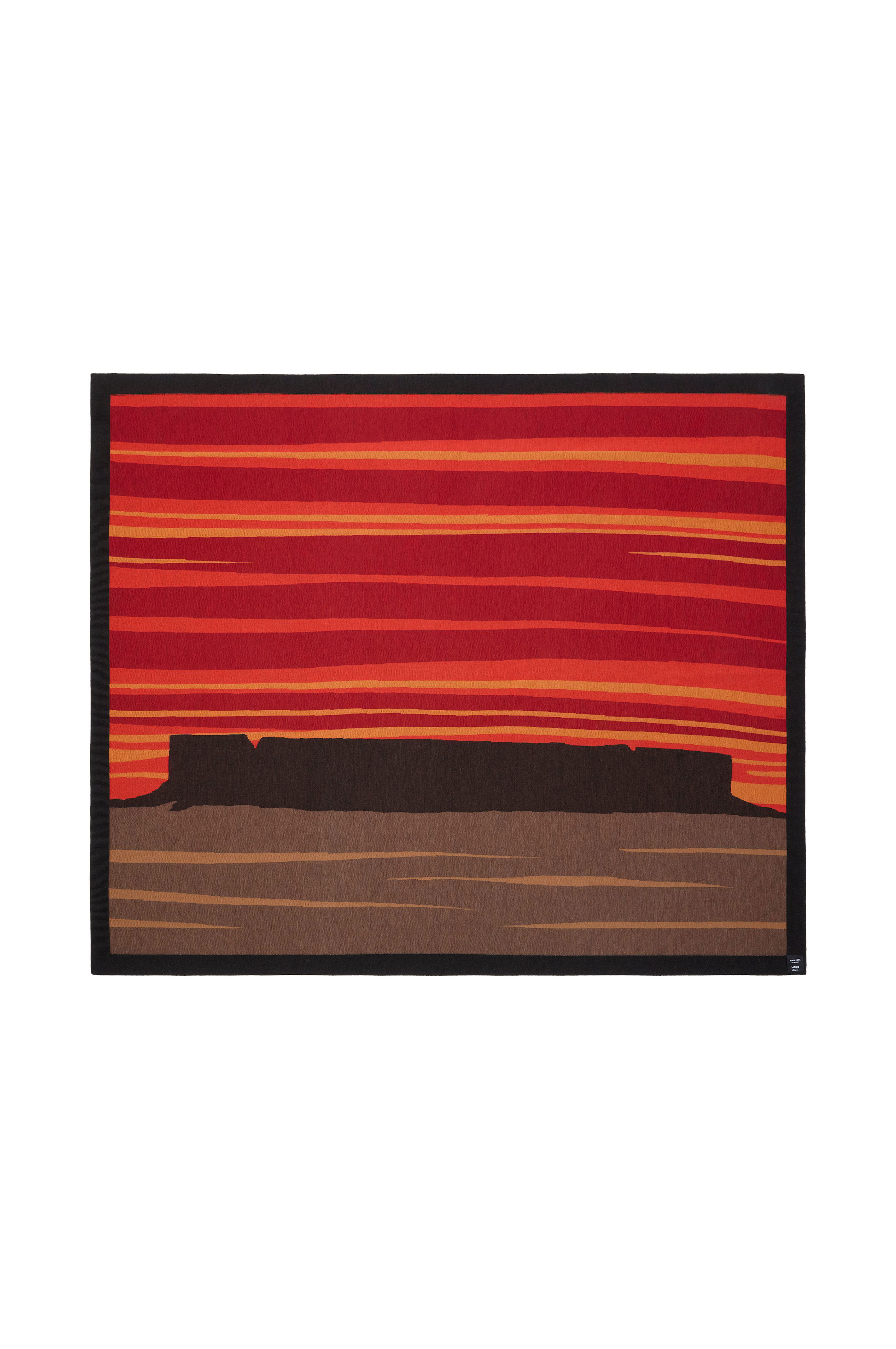
DY Begay, a sixth-generation Diné weaver, brings her artistic vision to life through the Black Mesa blanket. This piece, translated from her painterly weaving, is knitted in a factory in Los Angeles using 100% Japanese wool in sumptuous red, orange, and brown tones. “Blankets and weavings are utilitarian, which reminds us of the original purpose of most Native art,” says Begay. “These are functional items. And, quite simply, it’s important to us to give credit where credit is due: to the artist.”
Jamie Okuma
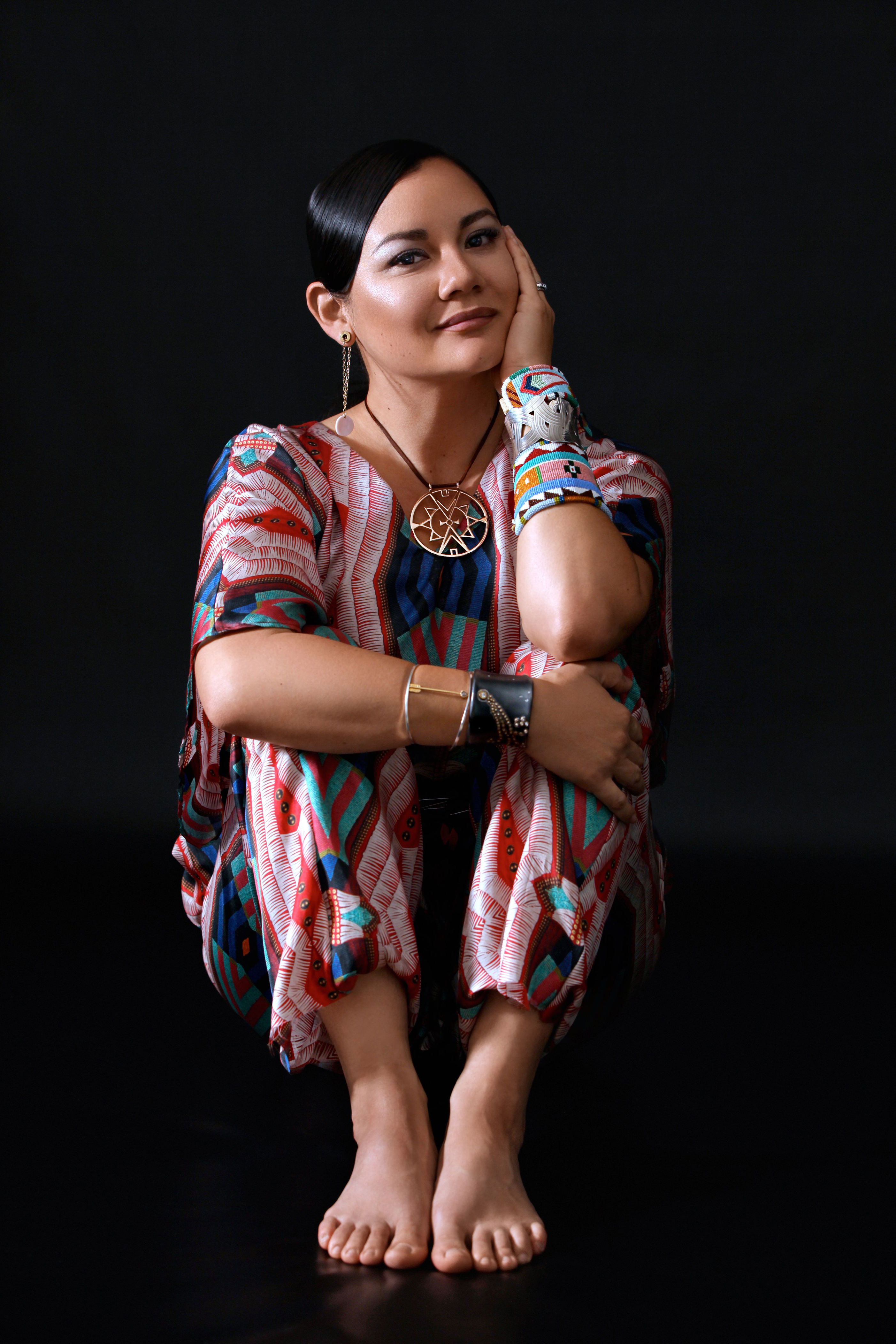
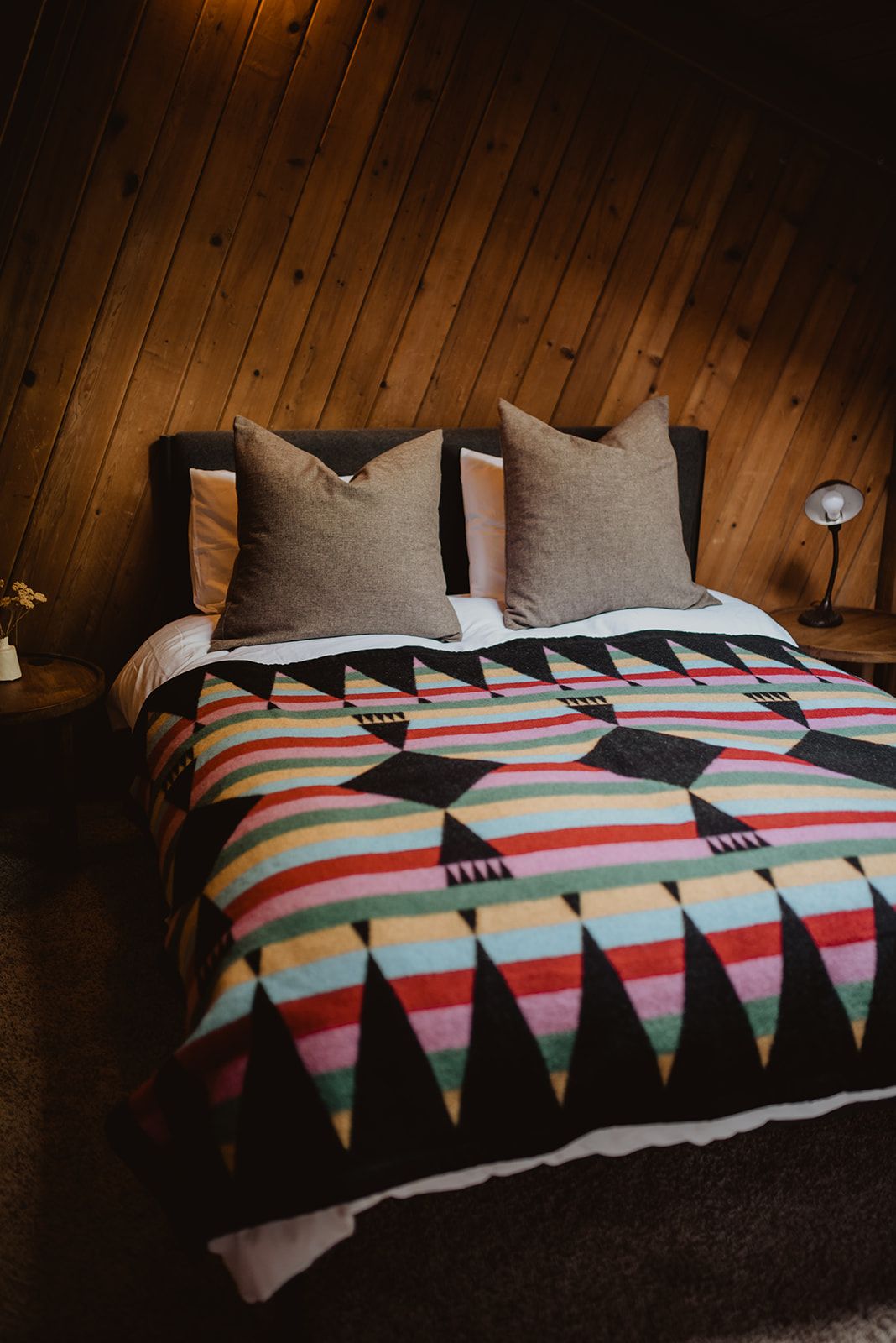
Jamie Okuma’s ribbon skirt-inspired blanket, produced in collaboration with Eighth Generation, features a bright pink, red, yellow, green, and baby blue abstract geometric motif. Made of Aotearoan felted wool, it evokes the ribbons traded by settlers for furs. This piece highlights the intersection of tradition and contemporary design.
David Boxley
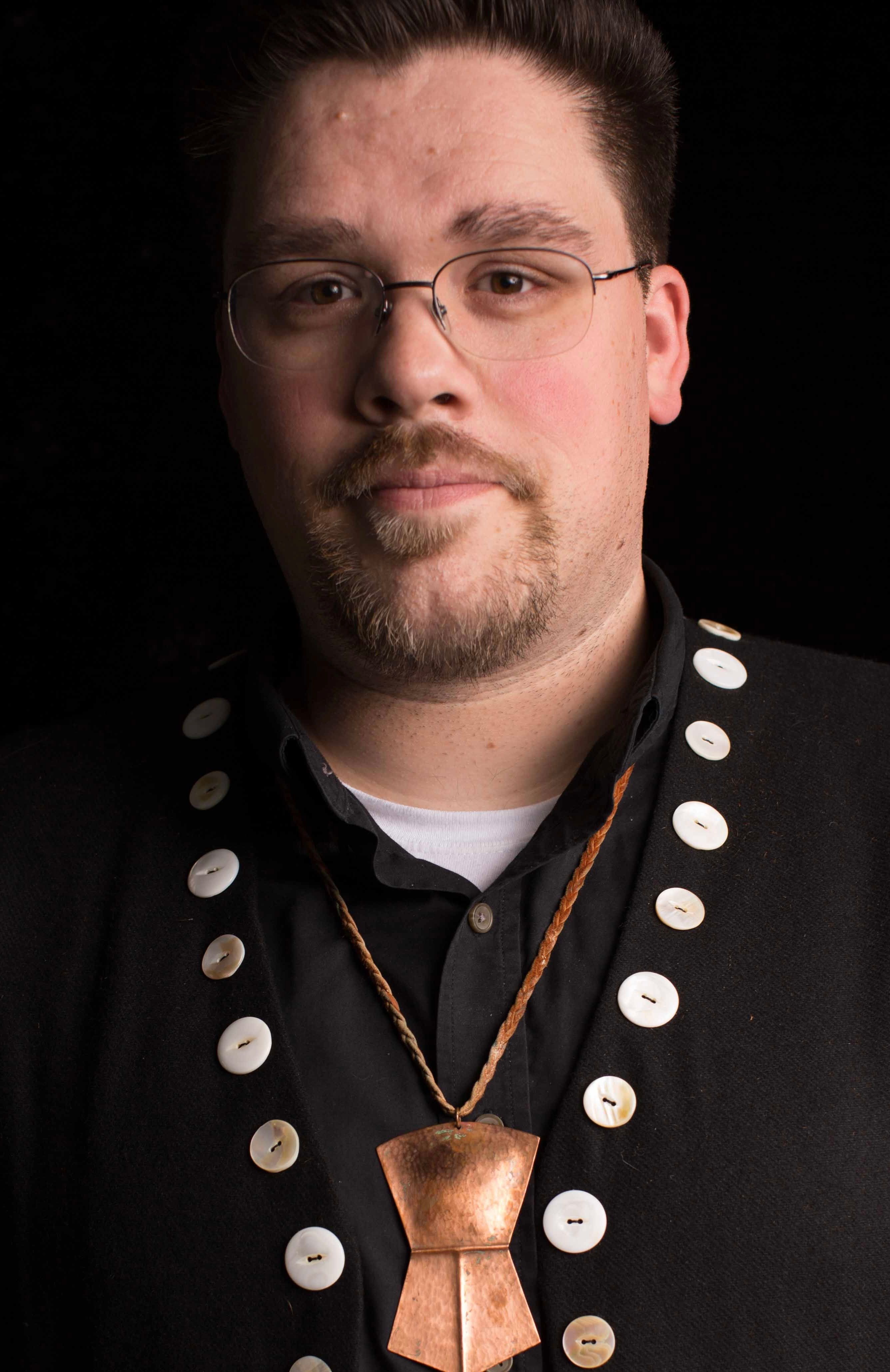
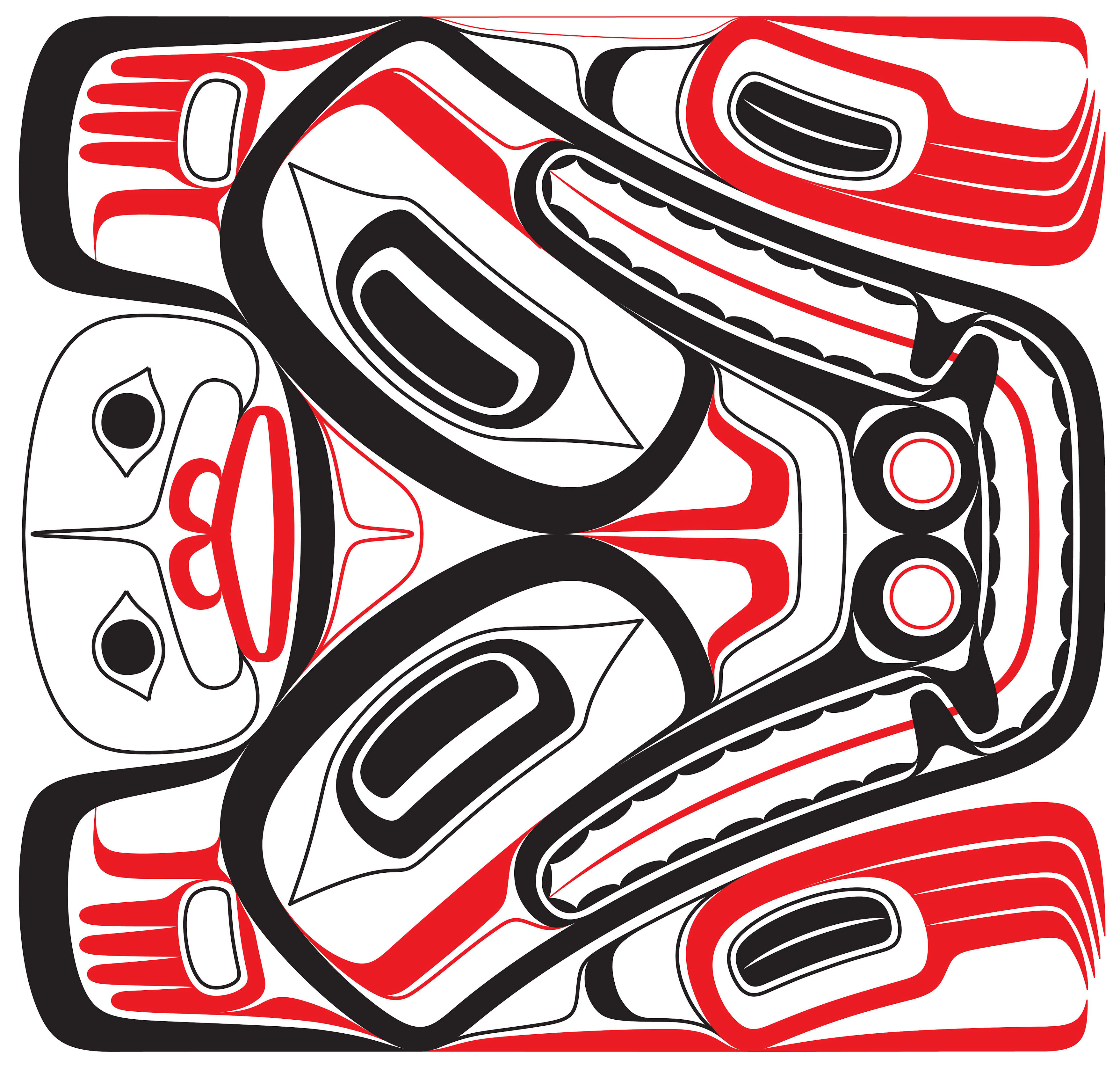
Master wood carver David Boxley’s design graces the Wolf Spirit blanket, made in Eighth Generation’s Seattle headquarters from imported 100% merino yarn. It features a red, white, and black form line depiction of a wolf, typical of animal figurations of Native communities in the Pacific Northwest. The double-sided knit blanket’s graphic imagery and defined stitching make it a mesmerizing statement piece.
Bethany Yellowtail
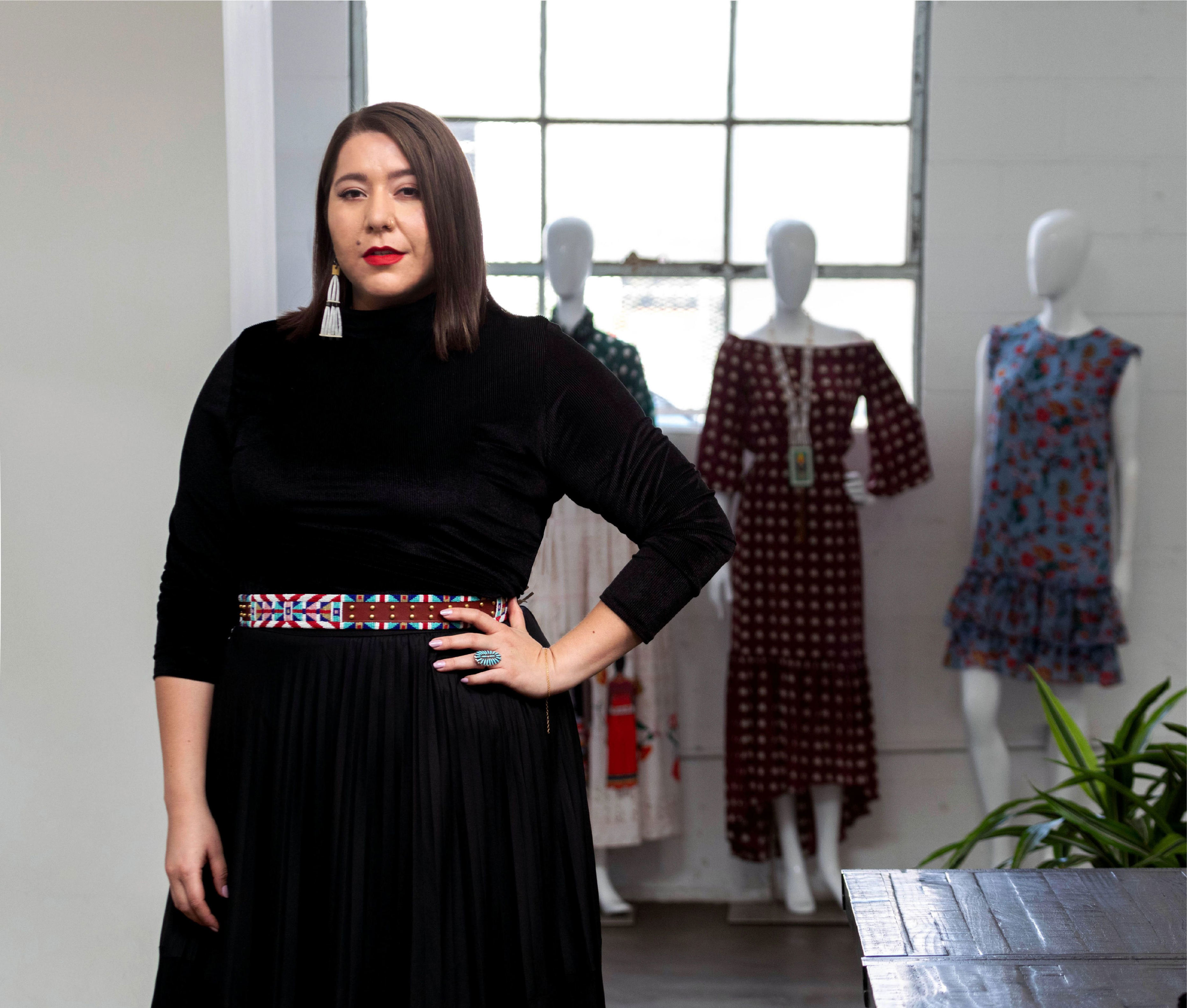
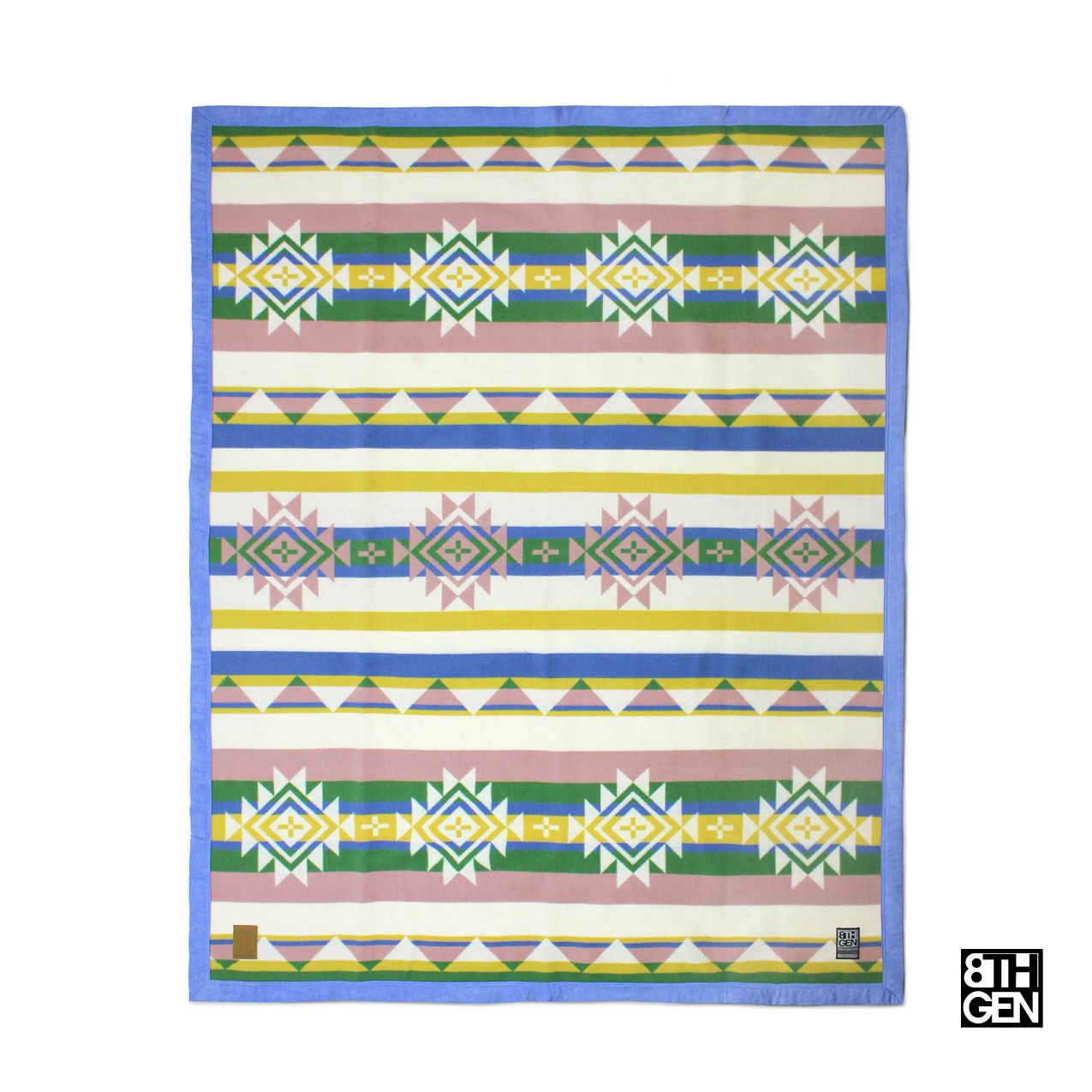
Bethany Yellowtail (Crow) created the Faith blanket, covered in blush, pistachio green, yellow, and baby blue geometric sun symbols against a cream-colored backdrop. This piece is also 100% New Zealand felted wool and features a pattern that honors Apsáalooke (Crow) bead and quillwork techniques. “My aesthetic is informed by the designs of my ancestors and the teachings that are embedded in them,” says Yellowtail.
Naiomi and Tyler Glasses
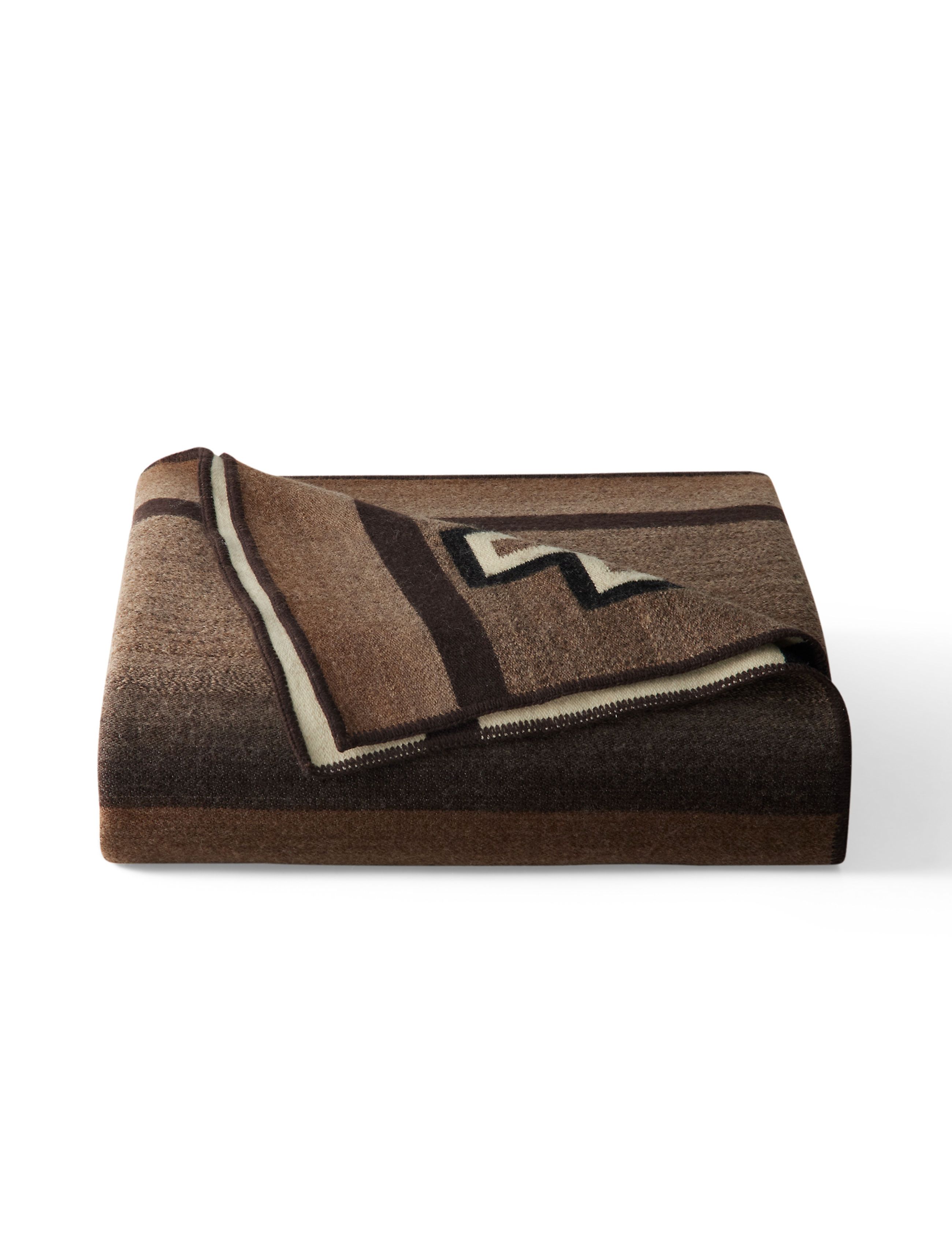
Siblings Naiomi and Tyler Glasses’s Rena Bed Blanket is double-sided, one featuring cream, the other gradient browns from mushroom to cocoa, trisected by meaningful lines of crosses. “We always approach our work with intention,” says Tyler. “We were specific about including symbols like four-directional crosses, which signify the Earth’s four directions, and Spider Woman crosses, which reference the creator and protector of the weaving tradition in Navajo culture.”
A Growing Movement for Authenticity
Supporting Native artists is now easier than ever, thanks to the efforts of companies like Eighth Generation and non-Native brands making concerted efforts to work with and celebrate Indigenous artisans. This movement not only preserves cultural heritage but also empowers Native communities by ensuring they benefit from their own creativity.
By choosing products that reflect true authenticity and cultural respect, consumers can play a role in shaping a more inclusive and equitable design industry. Whether it’s for cozying up on the couch, working from home, napping, or for a full night’s rest, these blankets are more than just functional items—they are expressions of identity, history, and artistry.

Post a Comment for "Indigenous Designers Reclaim the Southwestern Blanket"
Post a Comment