Southwest Airlines Updates: Wheelchair Restrictions for Florida Travelers
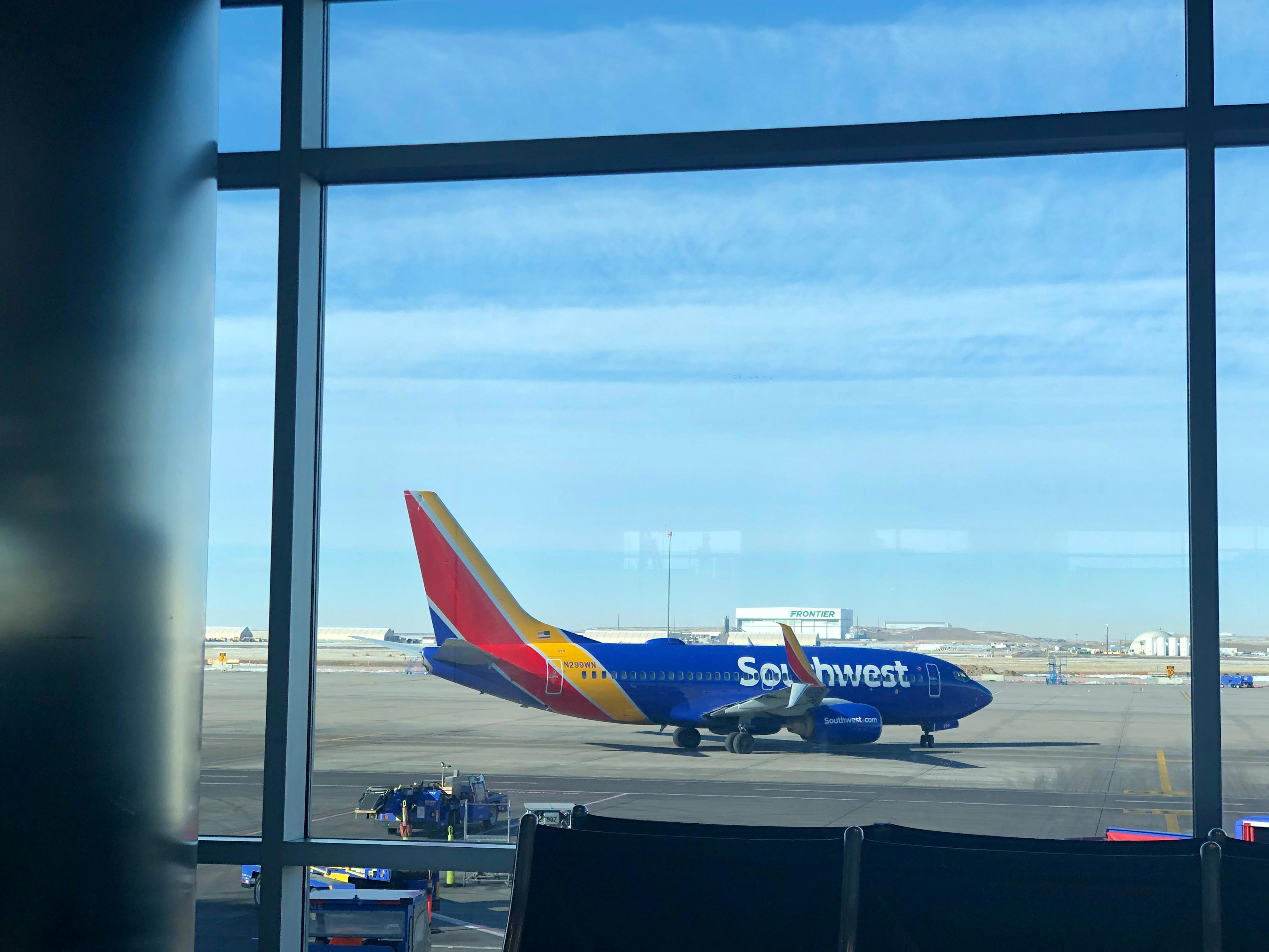
New Policy for Lithium-Powered Mobility Devices on Southwest Airlines
Starting September 25, travelers using lithium-powered mobility devices, such as wheelchairs, will need to follow new procedures when flying with Southwest Airlines. Under the updated policy, passengers must remove the batteries from their mobility devices and carry them into the cabin after the device is checked. This change aims to enhance safety by reducing the risk of fire onboard.
The Federal Aviation Administration (FAA) issued new safety guidelines in August that emphasize the importance of risk management and passenger education regarding lithium batteries. In March, the Transportation Security Administration (TSA) also announced that lithium-ion batteries are no longer allowed in checked luggage, although they can still be carried in carry-on bags.
Dave Hunt, Southwest’s vice president for safety and security, stated in a memo to employees that lithium batteries have become one of the most common causes of smoke and fire incidents on aircraft. While these events are rare, he emphasized the importance of quick access and visibility to ensure the safety of all passengers and crew. By implementing this policy, Southwest will be among the first U.S. carriers to adopt higher safety standards.
Under the new policy, wheelchair batteries will not count toward a passenger’s carry-on baggage allowance. This means travelers can carry their battery without worrying about exceeding weight or number limits.
Additional Restrictions on Battery Size
Southwest has also introduced restrictions on the size of lithium batteries that can be transported on its flights. The maximum allowed capacity is 300 watt-hours or less. To help passengers transition smoothly, those with batteries larger than 300 watt-hours will have a grace period until January 11, 2026. After that date, any devices with batteries exceeding the limit will no longer be accepted for transport.
Previously, Southwest required passengers using portable power packs to keep them visible when recharging their devices onboard. This new rule further reinforces the airline's commitment to safety.
Incidents Linked to Lithium Batteries
Lithium-ion battery fires have made headlines across the country due to their difficulty in extinguishing. According to the FAA, there were 55 verified lithium battery incidents on airplanes as of September 15, 2025. Last year saw a record 89 incidents, highlighting the growing concern around these batteries.
Several recent incidents have underscored the risks associated with lithium batteries:
- An American Airlines flight was diverted on August 23 due to a "customer's device" catching on fire inside the cabin.
- On November 24, a Southwest flight departing from Denver was forced to evacuate passengers and crew after a cellphone battery caught fire.
- In April 2024, a Southwest flight heading to Miami had to make an emergency landing in Palm Beach after the crew noticed an overheated cell phone smoking.
These incidents demonstrate the potential dangers of lithium batteries and the need for stricter regulations.
Understanding Lithium-Ion Batteries
Lithium-ion batteries are widely used in various electronic devices, including mobile phones, laptops, tablets, cameras, and watches. However, they can pose a fire hazard if damaged or improperly handled. These batteries are prone to overheating and creating sparks, which can lead to dangerous situations.
The FAA has warned that lithium batteries stored in passenger overhead bins or carry-on baggage may be obscured, difficult to access, or not readily monitored by passengers or crewmembers. This delay in detecting thermal runaway and taking firefighting measures can increase the risk to safety.
TSA Rules on Power Banks and Laptop Batteries
The FAA banned spare, uninstalled lithium-ion metal batteries from checked luggage in 2020. As of March 1, this prohibition now includes power banks and cell phone battery charging cases. The following items are subject to these rules:
- Power banks
- Cell phone battery charging cases
- Rechargeable and non-rechargeable lithium batteries
- Cell phone batteries
- Laptop batteries
- External batteries
- Portable rechargers
Passengers are advised to check the TSA's online search function to determine which items are allowed or banned on board. When a carry-on bag is checked at the gate or planeside, all spare lithium batteries and power banks must be removed from the bag and kept with the passenger in the aircraft cabin. Additionally, battery terminals must be protected from short circuits.
These measures are essential in ensuring the safety of all travelers and preventing potential hazards during air travel.

Post a Comment for "Southwest Airlines Updates: Wheelchair Restrictions for Florida Travelers"
Post a Comment