When to Get Vaccinated for Holiday Travel
As the year comes to a close, many people are focused on finalizing their holiday plans. While gift shopping and travel arrangements often top the list, it's essential not to overlook an important task: ensuring that seasonal vaccinations are up to date.
Before you embark on a road trip to visit family or friends for the holidays, it's crucial to get your shots early enough for them to provide full protection. Understanding how long it takes for vaccines to become effective is key to planning ahead.
How Long Do Vaccines Take to Work?
According to the Centers for Disease Control and Prevention (CDC), vaccines work by prompting the body to produce "memory" T-lymphocytes and B-lymphocytes that remember how to fight specific viruses in the future. It typically takes a few weeks after vaccination for these immune cells to be fully developed.
The COVID-19 vaccine usually becomes effective within two weeks of administration and remains most potent during the first three months after vaccination, as noted by Johns Hopkins Medicine. Similarly, the flu vaccine also requires about two weeks to build immunity, according to the Mayo Clinic.
Important Considerations for Vaccination Timing
If you recently received the previous dose of the COVID-19 vaccine, the CDC recommends waiting at least three months before getting the updated 2024-2025 version. This allows your immune system to respond effectively to the new formulation.
For those who have been infected with COVID-19, the CDC still advises getting the updated vaccine after a three-month period. The vaccine can help reduce the risk of severe illness, hospitalization, and transmission if you are reinfected. It also provides protection against currently circulating variants.
Natural immunity, which your body develops after being infected with a virus, is not as reliable as vaccine-acquired immunity. In fact, natural immunity tends to weaken over time more quickly than immunity from vaccination, according to the CDC.
Getting Vaccinated Before the Holidays
If you haven’t yet received your seasonal vaccinations, there’s good news: you can get both the 2025-26 COVID-19 vaccine and the flu shot at the same time. This can help ensure that your immunity is strong before any holiday travel.
Here are some key dates to keep in mind for full immunization before major holiday events:
- Christmas Eve (Dec. 24) and Christmas (Dec. 25): To be fully protected, you should be vaccinated by Dec. 10.
- Hanukkah (Dec. 14–22): Those celebrating Hanukkah should be vaccinated by the start of December.
- Kwanzaa (Dec. 26–Jan. 1): To be fully immunized, you must receive the vaccine by Dec. 12.
- New Year’s Eve (Dec. 31): Travelers hoping to celebrate out of town need to be vaccinated by Dec. 17.
This means that getting vaccinated just a day before a trip may not give your body enough time to develop full protection. As a result, you may not be fully safeguarded when you arrive at your destination or during gatherings.
Planning Ahead to Avoid Health Risks
By planning ahead and getting vaccinated as soon as possible, you can avoid potential health risks and ensure a safer holiday season. Whether you're traveling to see family or attending large gatherings, staying up to date on your vaccinations is a simple but effective way to protect yourself and others.
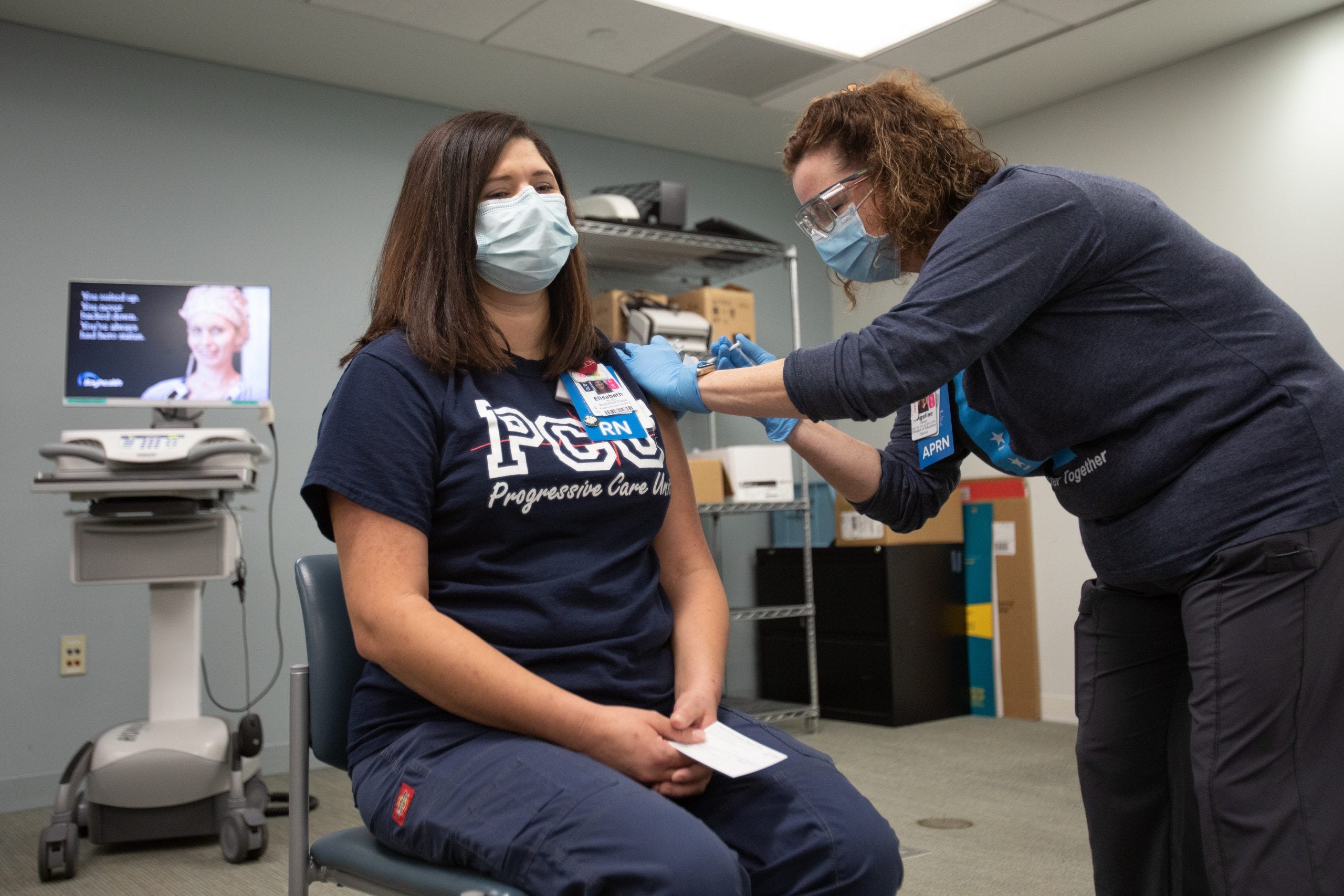
Vaccine availability is accessible across Delaware, with clinics offering vaccinations to residents in each county. If you have questions or need assistance, reaching out to local health providers is a great step.
Remember, the goal is to enjoy the holidays without the worry of preventable illnesses. Taking the time to get vaccinated now can make a big difference in the safety and health of everyone involved.

Post a Comment for "When to Get Vaccinated for Holiday Travel"
Post a Comment