Why Is the C-17 Called the 'Moose'? The Story Behind the Name
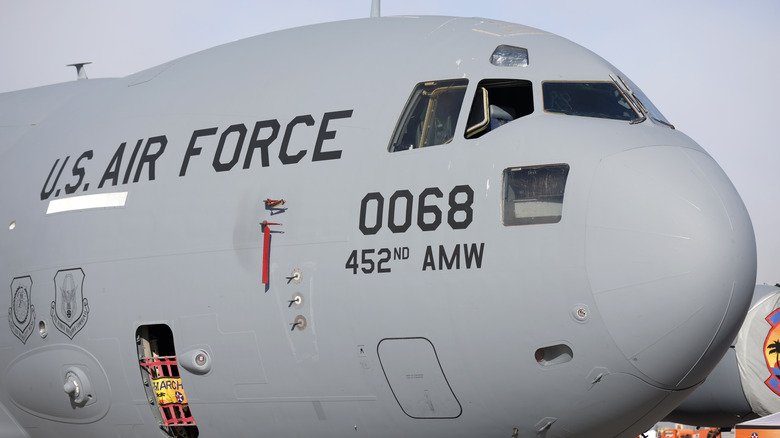
The Majestic Moose and the C-17 Globemaster
Moose are often underestimated in terms of their size. When encountered in person, they can be truly astonishing, as photographs and videos rarely capture their full grandeur. Standing up to six feet tall and weighing around 1,600 pounds (with polar bears being slightly heavier at about 1,700 pounds), moose are undeniably massive creatures. It might seem logical that the C-17 Globemaster, affectionately known as the Moose, was named for its sheer size. However, the story behind the nickname is a bit more unique.
The C-17 West Coast Demo Team shared on Facebook that the Globemaster has valves designed to relieve pressure during refueling on the runway. These valves produce a loud, continuous sound that resembles the bellowing of a moose. While this explanation is interesting, there's no denying that the Globemaster itself is a formidable machine. With a wingspan just under 170 feet, a length of 174 feet, and a weight of up to 585,000 pounds, it’s a transport aircraft built for heavy lifting. It can carry 170,900 pounds of cargo or 102 troops, depending on the mission. Its adaptability makes it ideal for a wide range of tasks, including transporting medical equipment and personnel.
The Significance of Aircraft Nicknames
Aircraft nicknames often stem from their shape, reputation, or other distinctive features. For example, the Boeing 757 is called the Flying Pencil due to its long and slender design. These names can be more than just playful; they play an important role in fostering camaraderie among crew members. According to Task & Purpose, a U.S. Air Force pilot mentioned that those who fly the Globemaster refer to themselves as "the Moose Gang," which serves as a unifying identity among aircrew. This sense of unity is crucial in any military branch, where teamwork and morale are essential.
The Globemaster has a long history of service, beginning with the 17th Airlift Squadron in 1995. The U.S. Air Force highlights its flexibility, noting that its cargo area includes rollers that can switch between a flat floor and accommodate wheeled or tracked vehicles, as well as rollerized conveyors for palletized cargo. Its slats and strong lift allow it to use runways that other airlift planes cannot access.
The Future of the C-17 Globemaster
Although the C-17 Globemaster III was discontinued in 2015, its unique capabilities, such as transporting Main Battle Tanks, have left a significant gap in the market. At the Paris Air Show in June 2025, Boeing acknowledged renewed international interest in the aircraft, suggesting that it could potentially return to production. While the Moose continues to serve the U.S. and other nations, its potential return to manufacturing remains a possibility.
For those interested in staying updated on the latest developments in technology and automotive trends, subscribing to a free newsletter is a great way to receive regular updates, expert guides, and helpful tips directly in your inbox. Whether you're looking for the latest headlines or in-depth how-to guides, these resources can keep you informed and engaged.

Post a Comment for "Why Is the C-17 Called the 'Moose'? The Story Behind the Name"
Post a Comment