American Neighbors Urge Tourists to Stay Away

Top Neighborhoods U.S. Residents Warn Tourists to Avoid in 2025
In recent discussions on travel forums like Reddit and TripAdvisor, residents of major U.S. cities have consistently highlighted certain neighborhoods that tourists should steer clear of. These warnings go beyond general "high crime" statistics, focusing instead on areas where visible street conditions—such as open-air drug markets, unpredictable behavior, or aggressive scams—create a distinct "no-go" environment for visitors who may lack the street smarts to navigate them.
Here are the neighborhoods American residents most frequently warn tourists to avoid in 2025.
Chicago - West Garfield Park
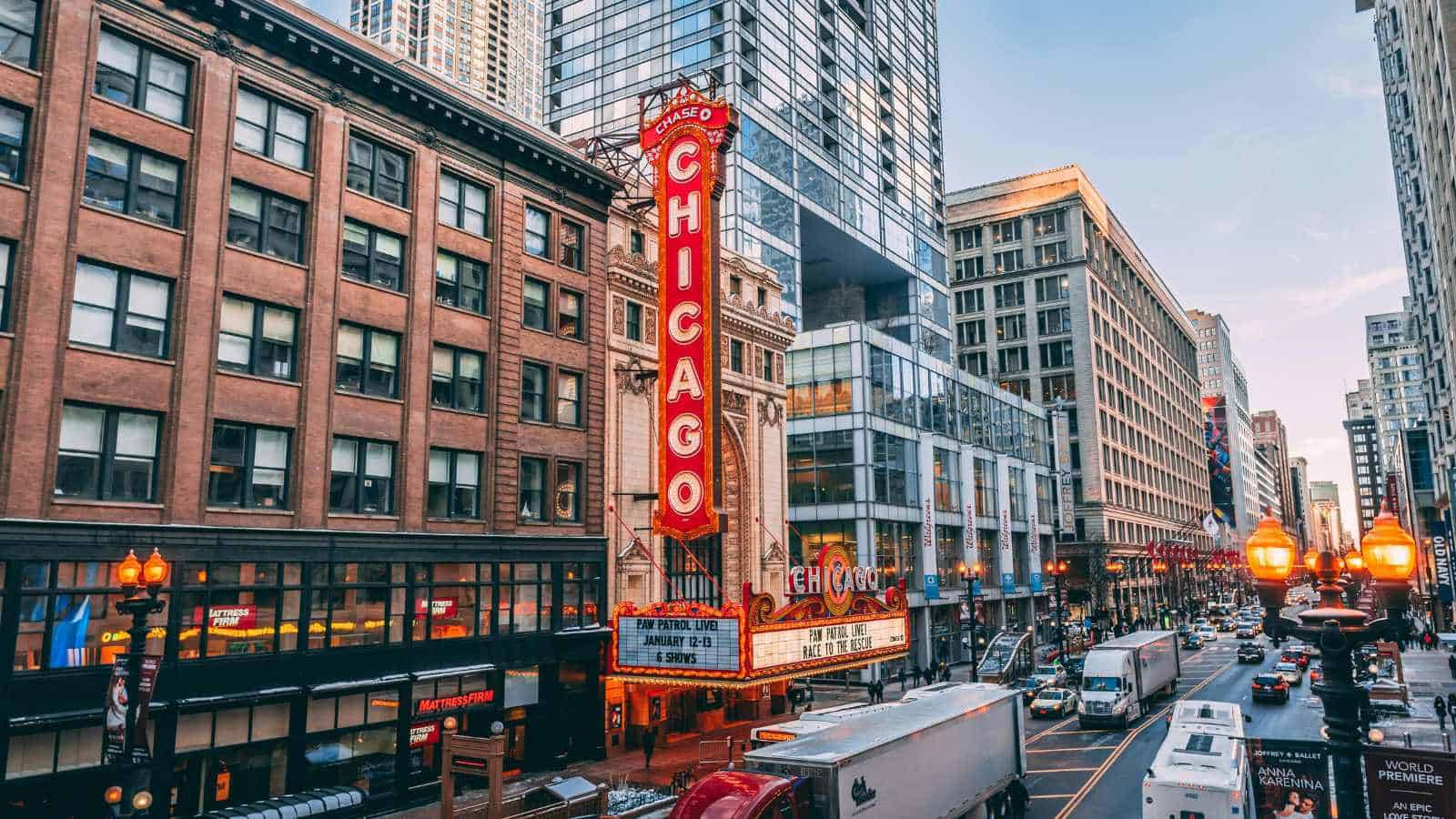
West Garfield Park remains one of the most dangerous areas in Chicago. Crime-reporting sites put their violent-crime rate at roughly 46 per 1,000 residents this year—well above citywide norms. According to Chicago Police Department (CPD) data, homicides in Chicago, Illinois, were down by approximately 33% in the first half of 2025 compared to the same period in 2024. However, the neighborhood still records more shootings per capita than almost anywhere else in Chicago.
Locals say the danger isn't just after dark; random assaults and robberies happen midday too. Gangs and socioeconomic neglect combine to make each corner feel like walking through a risk zone. If you value more than luck, keep your plans far away.
Englewood & North Lawndale
Englewood and North Lawndale often share a reputation for violence, poverty, and instability. Violent crime rates exceed city averages by more than 100%. Reports of armed robberies, shootings, and gang-related violence appear weekly in neighborhood news. Walking through these streets unprepared can easily turn a sightseeing trip into a cautionary tale.
Memphis - Frayser / Orange Mound
Memphis, Tennessee, leads among U.S. cities with the highest violent-crime rate per 100,000 residents in 2024. Neighborhoods such as Frayser and Orange Mound often report high incidents of robbery, assaults, and other violence. Even though overall crime in Memphis recently dropped, those areas stay well above national safety thresholds. Tourists there risk getting caught between gang skirmishes or random property crime—not exactly part of the planned "Memphis experience."
Detroit - Pockets Beyond Downtown
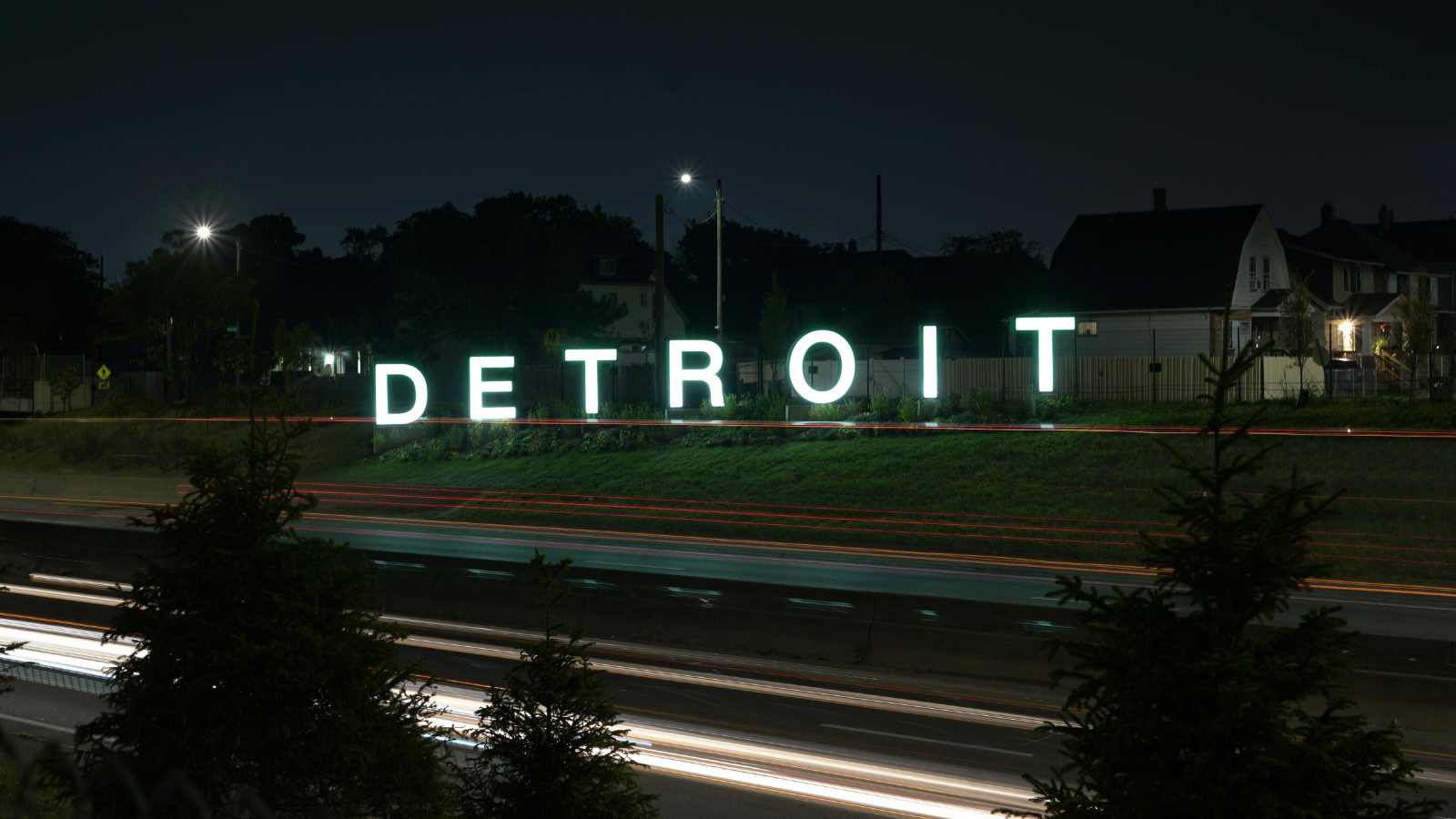
Detroit, Michigan, made headlines in 2024 after reporting its lowest homicide total since the 1960s. That's real progress. Yet that doesn't mean all Detroit neighborhoods are safe. Data-driven crime maps still show high rates of violent crimes in outlying areas. Locals caution outsiders: buzz through downtown, but avoid some residential areas after dark. Often, those neighborhoods lack strong public services, decent lighting, or active policing. For visitors, your safest bet is to stay where people gather and avoid quiet blocks.
West Baltimore & Greenmount East
In neighborhoods like West Baltimore and Greenmount East, violent crime per 100,000 residents often doubles or triples national averages. Residents warn that walking just a few blocks off main tourist zones can feel like exiting one city and entering another—less safe, less lit, less predictable. No dramatic signs greet you—just everyday blocks where vigilance isn't optional.
San Francisco - Tenderloin District
Even in a city as globally popular as San Francisco, California, some neighborhoods overturn the postcard polish. Tenderloin remains troubled by open drug use, visible homelessness, and above-average petty theft and street robbery incidents. Locals often avoid walking there after sunset. Tourists who drift from Union Square toward Civic Center may find themselves in gritty streets instead of movie-town backdrops. Unless you know what you're doing, keep valuables hidden and pace steady.
Big-City Averages Hide Dangerous Pockets
The U.S. as a whole saw violent crime drop by 4.5% in 2024 and property crime fall by 8%. That sounds comforting until you look at city-by-city breakdowns. Cities such as Memphis, Detroit, and Baltimore still log violent-crime rates far above national norms. This shows that where you walk determines your risk more than which city you visit. In many places, risk hides just blocks from tourist hubs.
What Makes These Neighborhoods Stand Out
Most show a mix of poverty, unemployment, inadequate infrastructure, and weak public services. Some suffer decades of disinvestment. Street lighting may be poor, transit may be irregular, and policing may be sporadic. For residents, it proves fatal over time, and for tourists, it creates blind spots. A neighborhood might look "normal" during daylight but turn dangerous after dark. That's the danger many travel guides skip.
When Locals Talk, It's Worth Listening
Tourists tend to follow guidebooks, social media feeds, and best-of lists. Locals often get a very different view. Crime maps, community forums, and neighborhood alerts give a sharper picture. Multiple independent data repositories show a match between what locals warn and what numbers record. That overlap is too strong to ignore. Treat local advice like early warning lights.
What Smart Travelers Do Instead of Risking It
Smart visitors check recent local crime dashboards before straying far from tourist zones. They travel in daylight, stay in well-traveled areas, keep valuables hidden, and consult locals if in doubt. They ride or drive rather than walk dimly lit streets. They view cities as patchwork—safe, risky, and everything in between. That's how you travel with your head, not hope.
Key Takeaway
One city can contain both postcard-perfect streets and dangerous pockets of neighborhood matters. National crime declines don't cancel out local danger zones in big cities. Locals often know best and heed community warnings and recent crime maps. Safety comes from awareness: avoid quiet blocks, don't flash valuables, and favor daylight and crowds. Travel with caution, not fear. Plan smart, stay alert, and enjoy the ride.
10 U.S. States Residents Are Leaving in 2025

10 Cheapest Countries To Visit and Have a Great Time


Post a Comment for "American Neighbors Urge Tourists to Stay Away"
Post a Comment