First Cuisine Recognized by UNESCO as Cultural Heritage
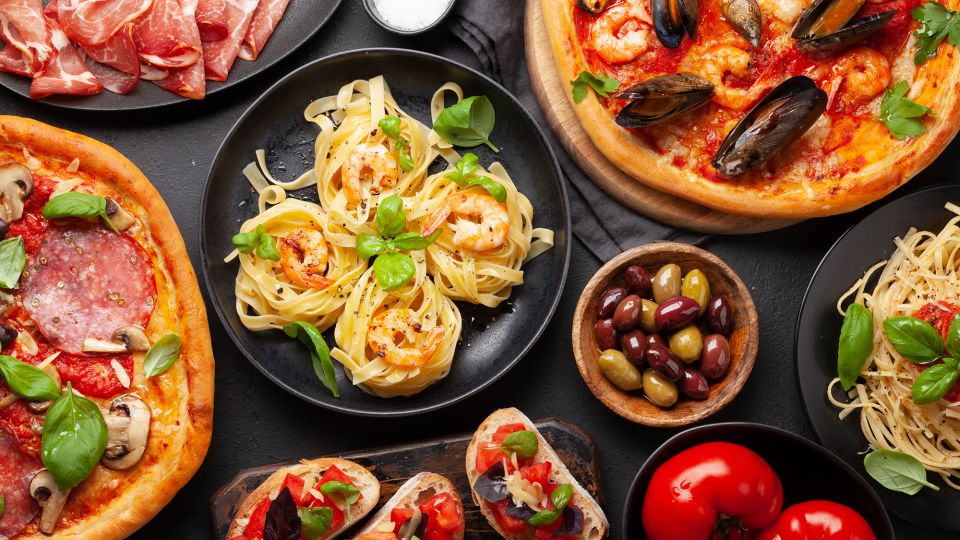
Italy has a reason to raise a glass of prosecco and savor a plate of tagliatelle al ragù. The country’s national cuisine has been recognized by UNESCO as the first entire gastronomic style to be designated as intangible cultural heritage. This milestone is expected to help protect Italian food from imitators and preserve its unique traditions.
The decision was announced by Italian Prime Minister Giorgia Meloni, who emphasized the significance of this recognition. “We are the first in the world to receive this recognition, which honors who we are and our identity,” she stated. For Italians, cuisine is more than just food or recipes—it is culture, tradition, work, and wealth.
This achievement marks the culmination of a three-year campaign led by Italy’s Agriculture Ministry to have the nation’s traditional way of growing, harvesting, preparing, and serving food acknowledged. Pier Luigi Petrillo, one of the editors of Italy’s proposal, highlighted that cooking in Italy transcends mere nutritional necessity. It is a complex and stratified daily practice that reflects the country's deep-rooted cultural values.
Italy has long faced challenges with counterfeit versions of its culinary products. Recent issues include prepackaged carbonara sauce and fake olive oil, as well as products with Italian-sounding names that are not actually made in Italy. The UNESCO designation should provide additional protection against such abuses, according to Agriculture Minister Francesco Lollobrigida.
“This recognition is a source of pride but also of awareness of the further valorization that our products, our territories, and our supply chains will enjoy,” Lollobrigida said. “It will also be an additional tool to counter those who seek to exploit the value that the entire world recognizes in Made in Italy, and it will represent new opportunities to create jobs and wealth in the regions.”
UNESCO’s heritage status typically brings prestige and added responsibility to the designated entities. These can range from historical landmarks to intangible assets like pool swimming in Iceland or beekeeping in Slovenia. The designation often leads to increased tourism, although Italy, already one of Europe’s most-visited destinations, faces challenges with overcrowding during peak times.
Despite these challenges, Meloni believes the recognition will bring financial benefits. “We already export 70 billion euros in agri-food products, and we are the leading economy in Europe in terms of agricultural added value,” she said. “This recognition will give the Italian economy a decisive boost to reach new heights.”
Italy has previously contributed several elements to UNESCO’s list of intangible cultural heritage. These include manual bell ringing (2024), opera singing (2023), truffle hunting and extraction (2019), Neapolitan pizza makers (2017), and celebrations of big shoulder-borne processional structures (2013). In 2013, the Mediterranean diet was also recognized.
In its bid for UNESCO status, Italy argued that its “living gastronomic landscapes” reflect the nation’s biocultural diversity. The cuisine emphasizes sustainability, seasonality, and non-wasteful recipes, which contribute to its uniqueness. The proposal also highlighted how traditions are passed down through generations within families, creating a sentimental connection to food.
This recognition underscores the importance of preserving Italy’s culinary heritage while also promoting its economic and cultural significance on the global stage.

Post a Comment for "First Cuisine Recognized by UNESCO as Cultural Heritage"
Post a Comment