Glowing Roads in Malaysia Shut Down by Unseen Issue
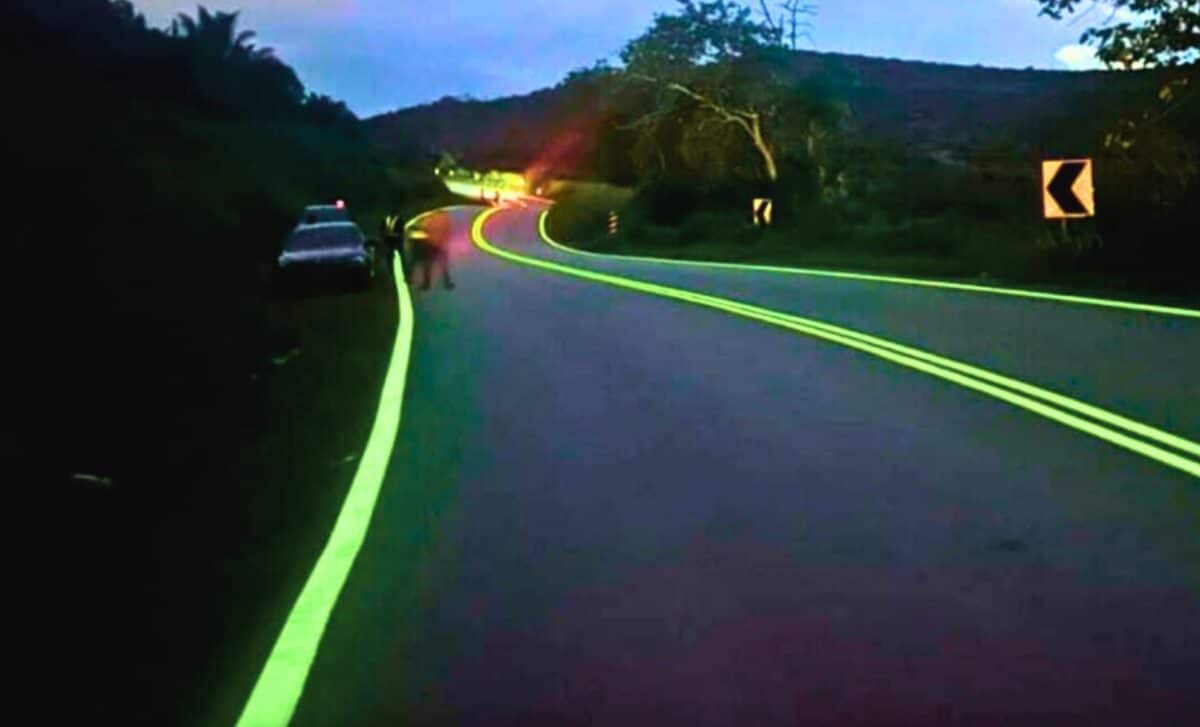
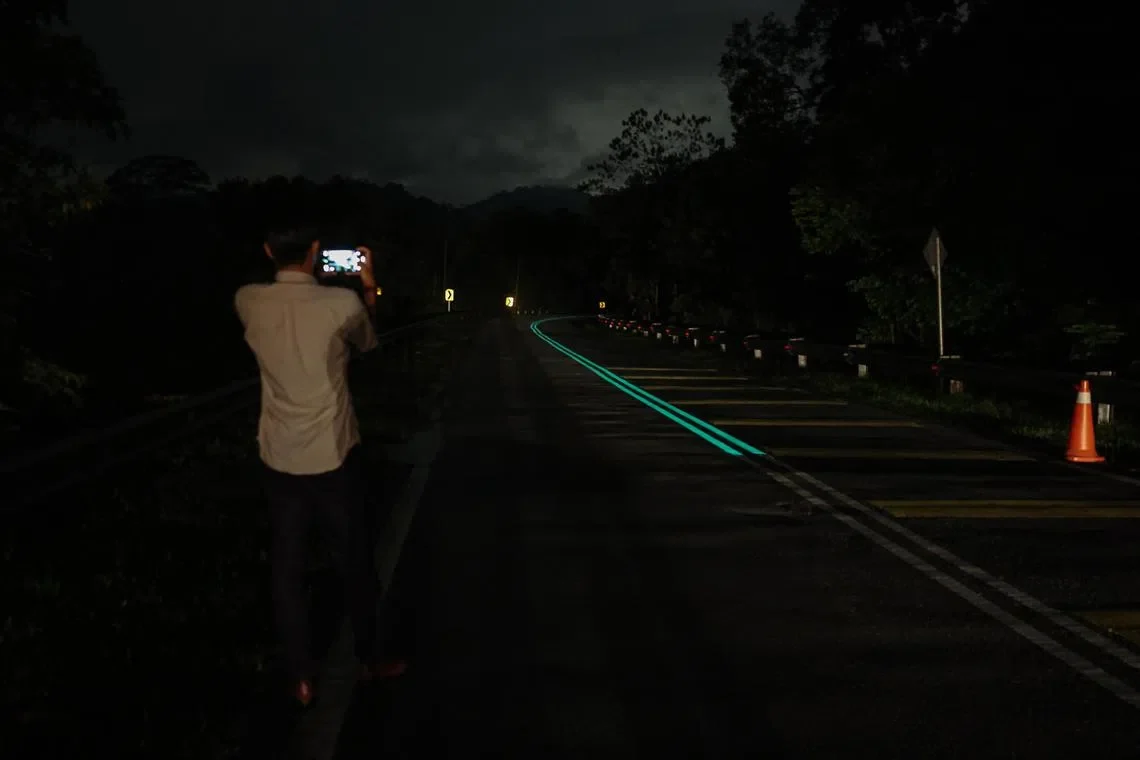
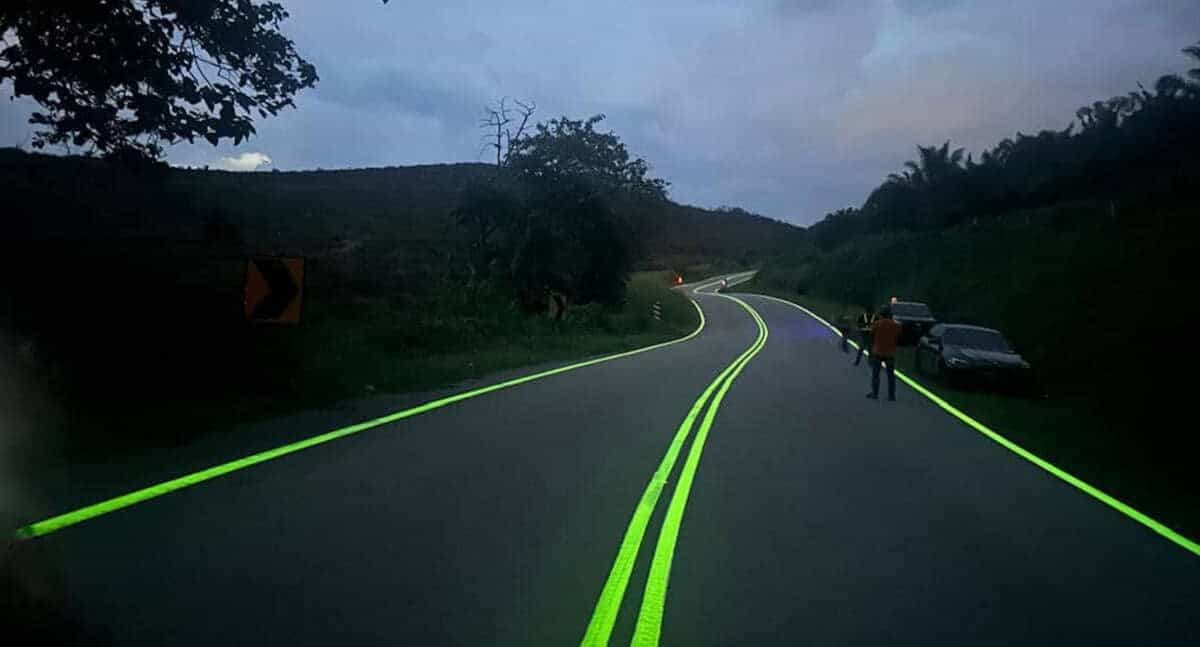
In late 2023, a quiet stretch of road outside Semenyih, Malaysia, caught the attention of drivers for an unexpected reason—it glowed. Not from overhead lights, but from a special photoluminescent paint designed to absorb sunlight during the day and shine softly through the night. No wires. No electricity. Just smart design.
It looked like a clever fix for a real problem. Malaysia’s rural roads, often poorly lit or not lit at all, have long been hazardous—especially at night and during bad weather. The country logs over 6,000 road deaths every year, and many of them happen in these under-lit areas.
So when Malaysia’s Public Works Department (JKR) rolled out its glow-in-the-dark road markings, people took notice. Social media lit up with photos and praise. Visibility was noticeably better during rain and fog—conditions where standard white paint barely shows up. One Instagram user joked, “Malaysian roads will look really lit—no pun intended.”
But just a year later, the glow began to fade—literally and politically. In November 2024, Deputy Works Minister Ahmad Maslan announced the government would not expand the program. What started as a promising solution turned out to be too costly and not durable enough for the climate.
Impressive Visibility, but a Steep Price
At first glance, the numbers looked promising. The paint glowed for up to 10 hours after sunset—enough to guide nighttime drivers in areas with no streetlights. Unlike electric lighting, it didn’t need power or bulbs to maintain.
But when it came to budget, things got tricky. The photoluminescent road paint used in Malaysia’s trial cost RM749 per square meter, according to Paul Tan’s Automotive News. Standard road paint? Just RM40 per square meter. That made it nearly 20 times more expensive—and that’s before accounting for long-term upkeep.
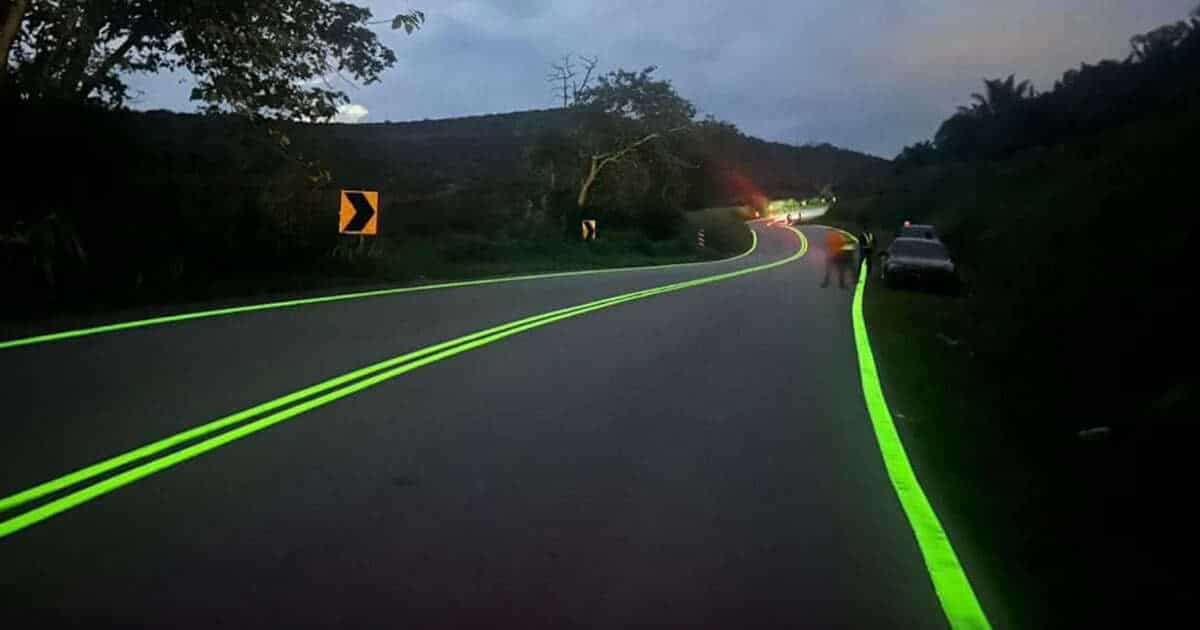
The government had originally planned to expand the glowing lines to 15 roads in Selangor and 31 pilot roads in Johor, including stretches in Petaling, Sepang, and Batu Pahat. But after further review, those plans were shelved. Maslan told Parliament, “We ran tests, but it did not satisfy the experts from the ministry.” Performance wasn’t the only issue. The country’s hot, humid climate posed a real challenge.
Great Idea, Tough Environment
Photoluminescent coatings have been tested elsewhere—on bike paths in the Netherlands, on highways in Japan—but mostly in mild climates and on smaller scales. Malaysia’s trial was bolder: an attempt to use the technology on everyday rural roads, where electricity is scarce and safety risks are high.
The glow worked well, especially in wet and foggy weather, noted Works Minister Alexander Nanta Linggi, who visited the Selangor site. Drivers said it made it easier to stay in lane when visibility dropped.
But there was a catch. Experts at the Malaysian Institute of Road Safety Research (MIROS) raised concerns about how long the paint would last in Malaysia’s rain-heavy, tropical climate. Research published in the International Journal of Pavement Research and Technology showed that similar coatings tend to degrade faster in humid environments, sometimes needing reapplication in under two years. That reapplication isn’t cheap—and over time, it adds up.
Public Support Cooled off Too
At first, Malaysians were enthusiastic. People were genuinely excited about seeing something fresh and futuristic on the roads—especially something aimed at improving road safety without electricity.
But as the months passed, public opinion began to shift. On platforms like Facebook and X (formerly Twitter), people started pointing to more basic problems that still weren’t fixed: potholes, faded paint, confusing signage, and uneven roads.

One frustrated Facebook user—quoted by The Straits Times—put it plainly: “Ask your officers to drive during rain or at night—you’ll see the poor visibility, potholes, and uneven roads. That’s what causes accidents.”
The glow-in-the-dark paint was cool. But for many Malaysians, it felt like a fancy fix when basic repairs were still lacking.
Not a Failure, but Not Ready
In the end, Malaysia’s glowing road markings weren’t a failure. They worked, they improved visibility, and they gave the country a glimpse of what low-energy infrastructure innovation could look like. But in terms of cost and durability, they just didn’t pass the long-haul test—at least not yet.
Elsewhere, the concept is still evolving. Researchers at Delft University of Technology and Japan’s National Institute for Land and Infrastructure Management are working to develop stronger, longer-lasting photoluminescent materials that can withstand extreme climates while keeping costs low. If they succeed, countries like Malaysia might revisit the idea down the line.
For now, though, the message from both the public and policymakers is clear: Before we get too excited about high-tech solutions, let’s take care of the basics. Drivers want clear lines, smooth surfaces, and roads that don’t turn dangerous in the rain.

Post a Comment for "Glowing Roads in Malaysia Shut Down by Unseen Issue"
Post a Comment