Greece Eyes More F-35s Over F-16 Upgrades – Reports
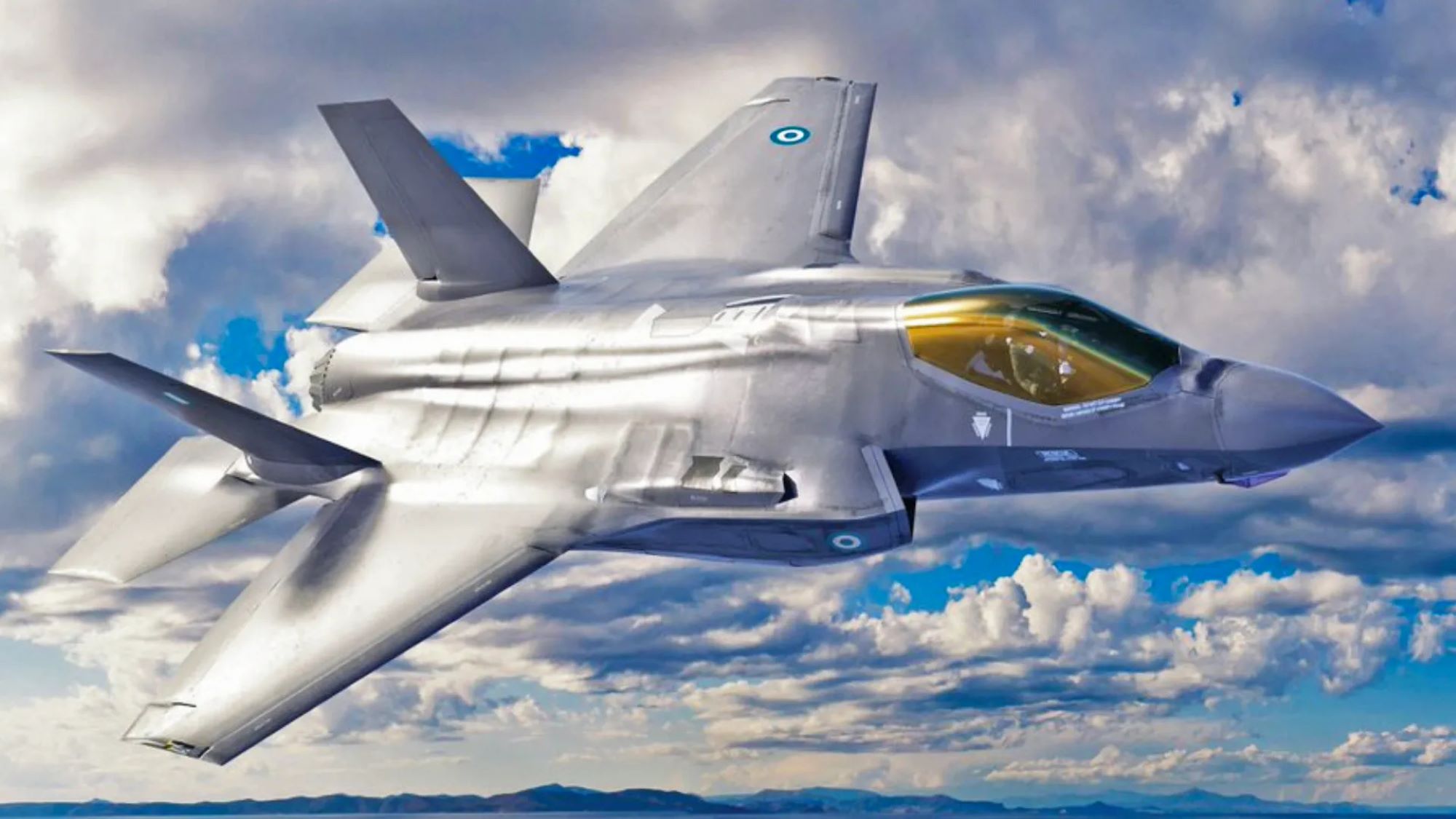
Greece's Air Force Modernization: Stalled Upgrades and Future Plans
Greece is facing a complex situation in its efforts to modernize its air force. The country has been engaged in prolonged negotiations with Lockheed Martin regarding the upgrade of its 38 F-16C/D Block 50 aircraft, which have been in service since 1997. These talks have remained stalled for over five years, with no clear resolution in sight. As a result, the upgrades are expected to be delayed until at least 2031 or even 2032. This delay has prompted discussions about alternative options, including the possibility of acquiring additional F-35A Lightning II stealth fighters.
Potential Expansion of F-35A Fleet
Reports suggest that Greece may consider an additional order of F-35A aircraft, beyond the 20 it signed in July 2024 under the U.S. Foreign Military Sales (FMS) program. This potential move comes as a response to the slow progress in upgrading the existing F-16s. According to sources like Ekathimereni and Greek Reporter, the upgraded F-16s would not be fully compatible with the F-35A and Rafale fighter jets, making them less effective in future operations.
Instead, the HAF’s current upgrades to 84 F-16C/D Block 52+ aircraft to the F-16V Viper Block 72 standard appear to be a more viable option. So far, 40 of these upgraded aircraft have been delivered, with the full program set to continue until 2027.
HAF F-16 Upgrade Plans
The HAF’s upgrade program involves enhancing the capabilities of its F-16 fleet through advanced technology such as the APG-83 AESA radar, Modular Mission Computer, and improved avionics. These upgrades aim to make the Greek F-16V fleet among the most advanced in Europe. However, the original plan to upgrade all 121-122 F-16s was revised, with only the Block 52+ and Block 52+ Advanced variants included in the program.
The Hellenic Aerospace Industry (EAB) was initially involved in upgrading the older Block 50 aircraft using components from the Block 52 airframes. This process would have brought the Block 50s up to the Block 50M or Block 52+ standards, extending their service life by 2,000 flight hours.
Obsolete Upgrades and Cost Concerns
Despite these plans, concerns remain about the effectiveness of upgrading the older F-16C/D Block 50s. Reports indicate that the cost of the upgrade has been significantly reduced, from an initial estimate of $2.1 billion to $980 million. However, this lower price point may come at the expense of essential upgrades. Experts warn that the SLEP-configured Block 50s would require further interventions by the end of the next decade, raising questions about their long-term viability.
This has led some officials to reconsider the option of purchasing additional F-35As instead of upgrading the F-16s. The F-35A offers greater operational flexibility and is expected to remain in service for several decades, making it a more sustainable choice.
Progress on F-35A Acquisition
Despite the challenges with the F-16 upgrades, Greece has made significant strides in acquiring its first batch of F-35A aircraft. The government has already committed to a $3.5 billion deal for 20 F-35As, with the option to purchase an additional 20. The infrastructure required to support these aircraft is also being developed, including modernization of Andravida Air Base with NATO-standard facilities.
Training programs for pilots and technicians are also underway, with 14 HAF pilots and 60 technicians scheduled to receive specialized training in Virginia. Lockheed Martin’s vice president, Mara Motherway, confirmed that the production of the Greek F-35s will begin as part of the Lot 20 order, with the first delivery expected in late 2028 and the arrival of the first aircraft in Greece by 2030.
Rafale Considerations
In addition to the F-35A, Greece has a fleet of 24 Rafale fighter jets. However, Prime Minister Kyriakos Mitsotakis recently indicated that the country will not acquire more Rafales, focusing instead on expanding its F-35A fleet. This decision aligns with broader strategic goals to enhance interoperability with NATO allies and ensure long-term operational readiness.
Conclusion
Greece’s air force modernization efforts are at a critical juncture. While the F-16 upgrade program faces delays and cost concerns, the acquisition of F-35A aircraft represents a promising path forward. The success of these initiatives will depend on continued cooperation between Greece and its international partners, as well as the ability to balance budget constraints with long-term operational needs.

Post a Comment for "Greece Eyes More F-35s Over F-16 Upgrades – Reports"
Post a Comment