Italian Food Earns UNESCO's Cultural Heritage Honor
A New Chapter for Italian Cuisine
For those who have always been captivated by the allure of Italian cuisine, a momentous event has just taken place that could change everything. On December 10, UNESCO officially recognized Italian cooking as an Intangible Cultural Heritage of Humanity. This decision was made during the organization's assembly in Delhi, marking a significant milestone in the global appreciation of food as a cultural expression.
Rather than focusing on specific dishes like sfogliatelle from Campania or agnolotti pasta from Piedmont, this recognition highlights the broader elements of Italian culinary traditions. UNESCO’s entry for Italian cooking emphasizes artisanal techniques, the communal nature of dining, and the deep connection between people and their food. It celebrates the intimacy with food, respect for ingredients, and the shared moments around the table that define Italian culture.

Maddalena Fossati, the editor-in-chief of Condé Nast Traveller Italia and La Cucina Italiana, played a pivotal role in this achievement. She first conceived the idea during the pandemic, observing how deeply food is intertwined with the Italian identity. Fossati worked closely with the Italian government to establish the Committee Promoting Italian Cuisine for UNESCO Recognition. Her efforts over the past five years have culminated in this historic acknowledgment.
“This recognition is really history—for the country, for Italians all around the world, and for everybody that loves Italian cooking,” Fossati said in a phone call from Delhi. “The value of Italians is through our food. That is who we are.”
This designation marks a global first for UNESCO, which has previously recognized specific dishes or culinary traditions, such as Thailand’s tomyum kung or Peru’s ceviche making. The inclusion of an entire nation’s cuisine underscores the significance of food as a cultural practice that reflects humanity’s ingenuity and heritage.
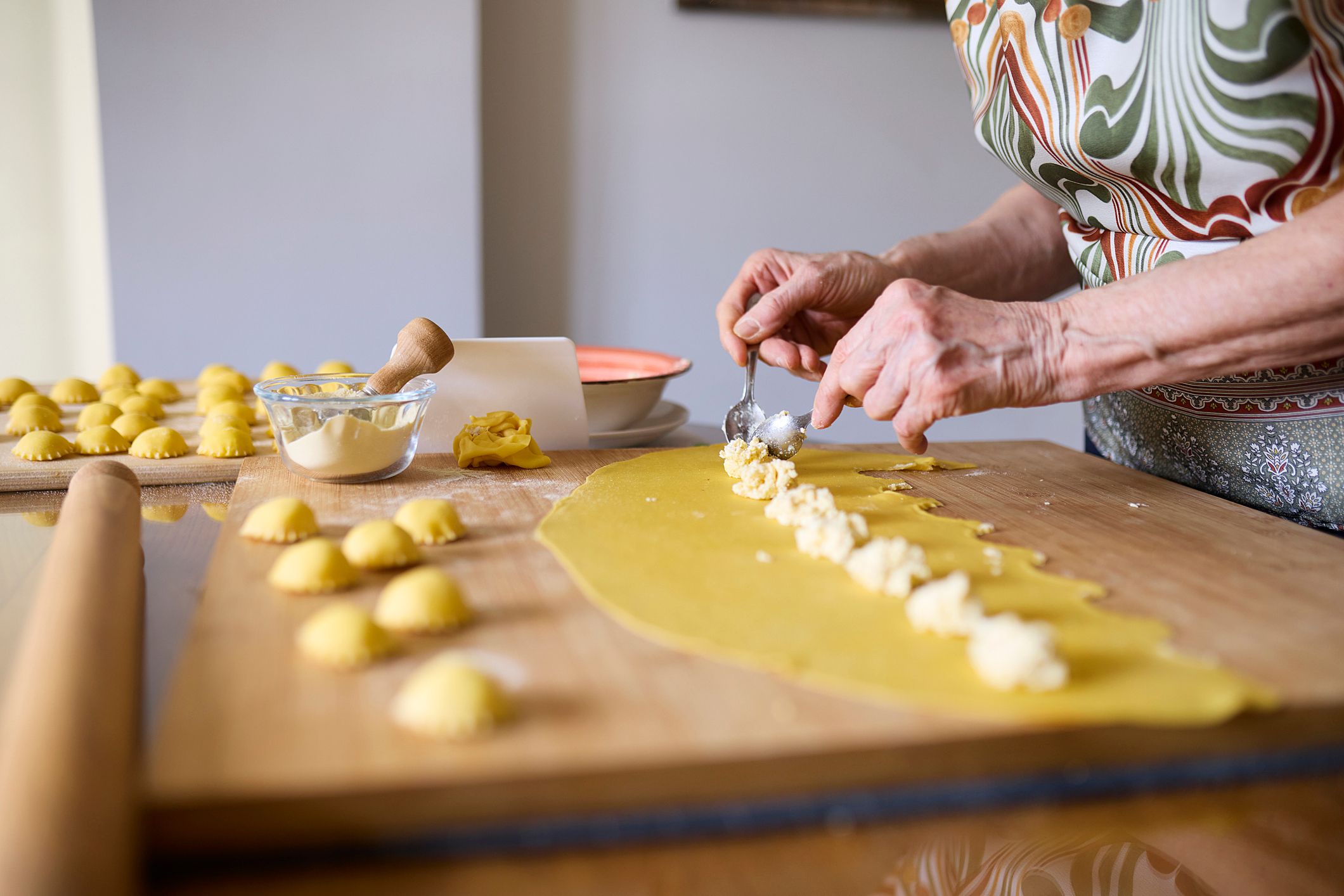
UNESCO’s Intangible Cultural Heritage list aims to preserve and celebrate cultural practices at risk of being lost. In Italy, this includes traditions such as opera singing, Neapolitan pizza making (pizzaiuolo), and traditional violin craftsmanship in Cremona. These practices were inscribed on the list in 2023, 2017, and 2012, respectively.
The selection of Italian cuisine serves as a reminder of the unifying power of food. As UNESCO notes, Italian cooking allows communities to share their history and describe the world around them. It helps safeguard cultural expressions such as language and gestures, fostering social inclusion while promoting well-being and lifelong learning across generations.
While one might argue that similar sentiments apply to many other culinary traditions worldwide, this designation opens the door for future recognitions of diverse food practices worth preserving and celebrating.
Other Notable Additions to the List
In addition to Italian cuisine, the 2025 additions to the Intangible Cultural Heritage of Humanity list include Iceland's swimming pool culture, Ghana's highlife music and dance, India's Diwali festival, rod marionette puppetry in Belgium, and family circus traditions in Chile.
For those interested in exploring more about Italian food, there are numerous stories available:
- Where to Eat in Tuscany, According to Nancy Silverton
- In Milan, Peruvian Restaurants Build on a Tradition of Fusion
- Me, Stanley Tucci, and a Food-Filled Escapade Through Florence
- 20 Best Bars in Venice, According to Our Local Expert
- The 41 Best Restaurants in Rome
- On a Trip Across Northern Italy, Getting to Know the Artisans Keeping Tradition Alive

Post a Comment for "Italian Food Earns UNESCO's Cultural Heritage Honor"
Post a Comment