Love lounging in hammocks? Thank Indigenous cultures for that
The Origins of the Hammock: A Legacy of Indigenous Ingenuity
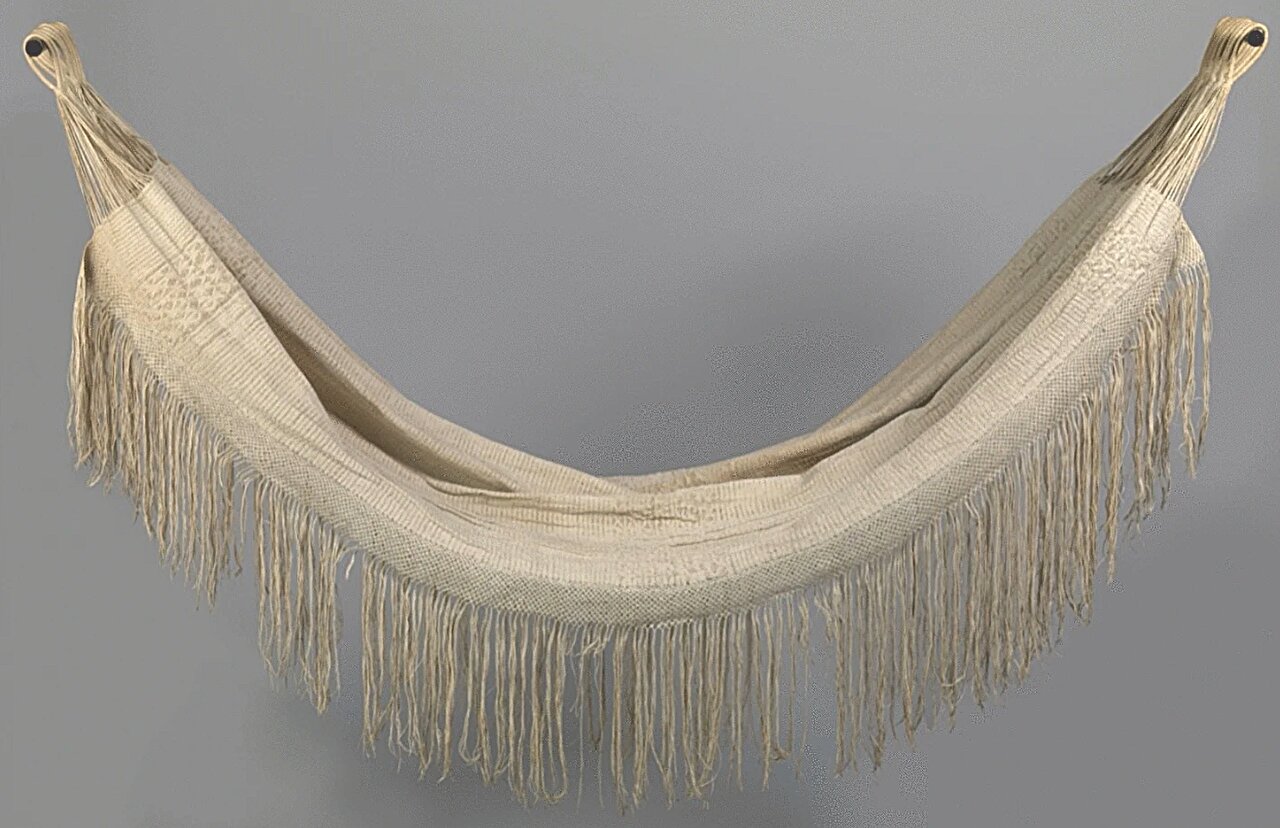
When you're lounging in a beachside hammock on a lazy summer day, it's worth taking a moment to reflect on the rich history behind this simple yet revolutionary piece of furniture. The hammock, now a symbol of relaxation and comfort, has its roots deeply embedded in the traditions of Indigenous cultures from South America and the Caribbean.
According to John Kuhn, an Associate Professor of English at Binghamton University and co-author of a recent article on the subject, the earliest preserved hammocks date back 4,000 years. However, Kuhn suggests that they may be even older, as textiles don't typically survive well in tropical climates. His research, co-authored with Marcy Norton from the University of Pennsylvania, was published in the journal postmedieval under the title "Towards a history of the hammock: An Indigenous technology in the Atlantic world."
A Portable and Versatile Innovation
Hammocks are not just comfortable; they are also practical. Their portability, versatility, and ease of cleaning make them ideal for hot climates. They offer protection from insects, which is especially important compared to ground-based bedding commonly used by European colonizers. This practicality led to their rapid adoption by colonists, who quickly learned to use them due to their role in hospitality rituals among Indigenous groups seeking alliances and friendships.
The technology proved invaluable during military expeditions in the Americas. Figures like English explorer Sir Walter Raleigh adopted hammocks, and as colonial settlements expanded, their use spread across different social classes, from elites to enslaved individuals.
More Than Just a Bed
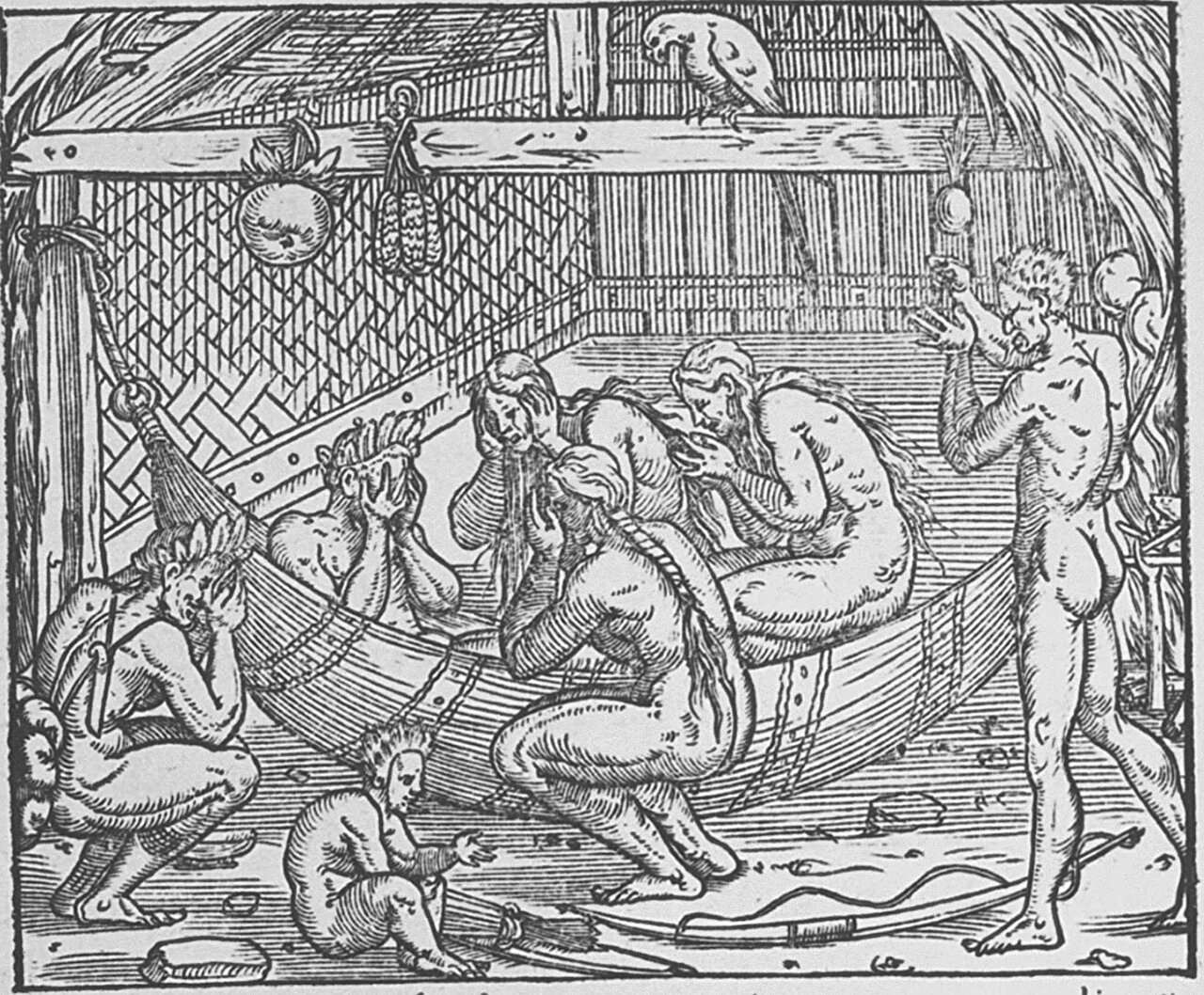
Beyond their practical use, hammocks held deep cultural significance for Indigenous communities. They were not only used for sleeping but also served as private spaces for conversation, crafting objects, and playing music. In a culture that often emphasized communal living, hammocks provided a way for individuals to define their personal space.
Kuhn shared an interesting linguistic connection found in a Kalinago-French dictionary from the early colonial period. The word for hammock was linked to the word for placenta, highlighting a poetic metaphor: a person enters the world in one container and transitions to another after birth. This connection underscores the cultural importance of hammocks in Indigenous life.
Hammocks also played a role in death and spiritual practices. They were used as burial shrouds, and they were integral to religious rituals, serving as vessels for healing and trance states where shamans would commune with spirits.
Challenging Assumptions About Technology
The widespread adoption of hammocks by European colonizers challenges the common belief that European technology was inherently superior to that of Indigenous cultures. This is not an isolated example—other Indigenous innovations, such as chocolate and tobacco, were also adopted by Europeans. These examples highlight the significant contributions of Indigenous peoples to the development of technologies and practices in the Atlantic world.
Exploring Other Indigenous Technologies
Kuhn is currently working on a book about another Indigenous technology: birchbark canoes. North American colonists quickly adopted these canoes for their own use, further illustrating the influence of Indigenous knowledge on European settlers.
Kuhn emphasizes that many people hold the misconception that Indigenous cultures were merely destroyed during colonization and are not recognized for their technological advancements. He encourages people to reflect on the ingenuity behind everyday items like hammocks.
A Call to Appreciate Cultural Contributions
Next time you see a hammock, take a moment to appreciate the cultures that created it. Their ingenuity and innovation have left a lasting legacy that continues to shape our world today. As Kuhn notes, the story of the hammock is just one example of how Indigenous technologies have contributed to the development of societies across the globe.
For more information, refer to the original research by Marcy Norton et al., titled "Towards a history of the hammock: An Indigenous technology in the Atlantic world," published in postmedieval (2025). DOI: 10.1057/s41280-025-00379-w.

Post a Comment for "Love lounging in hammocks? Thank Indigenous cultures for that"
Post a Comment