Parks Ordered to Remove Shop Items
The Changing Landscape of National Park Retail
One of the most cherished aspects of visiting national parks is browsing the gift shop for a souvenir to remember the trip. From postcards and magnets to stuffed animals and t-shirts, these items serve as mementos of the natural beauty and cultural significance of these protected spaces. However, this experience may soon change dramatically.
In early December 2025, a memo circulated within the Department of the Interior directed National Park Service staff to review all retail items in park gift shops and bookstores. The goal was to remove any items deemed inconsistent with recent administrative orders that banned "DEI, DEIA, and environmental justice" content from federal institutions.
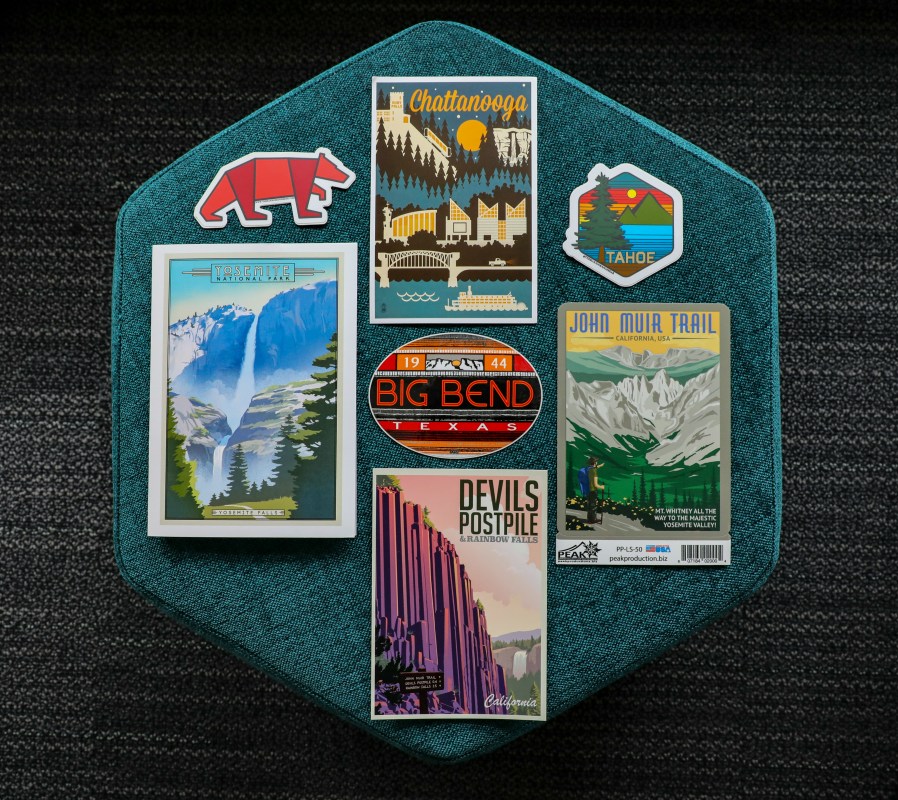
Under the terms of the memo, any retail item referencing "diversity, equity, inclusion," "environmental justice," "gender ideology," or similar concepts must be flagged. This broad definition could affect a wide range of products, including books, T-shirts, keychains, mugs, and other items bearing wording or images tied to DEI.
The Department of Interior stated, “In keeping with Secretary’s Order 3416, the National Park Service is conducting a common-sense review of retail items to ensure our gift shops remain neutral spaces that serve all visitors. We’re working closely with our partners to make sure this process is smooth and doesn’t disrupt the visitor experience. If any items are found to be inconsistent with the Order, they are being removed from sale.”
For parks and their cooperating associations, the directive is immediate: by December 19, 2025, they must complete the review; any item judged “noncompliant” must be removed from sale, even if it relates to history, social justice, climate, Indigenous peoples, or other aspects of America’s complex past.
What Kinds of Items Could Be Affected?
Although the memo itself does not list every “banned” phrase or book, it casts a wide net. Anything with references to “diversity, equity, inclusion” (DEI), “DEIA,” “environmental justice,” or other equity-related policies could be flagged. Examples of affected items may include:
- Books about civil rights, racial history, Indigenous histories, or social justice if they mention DEI/EJ in titles or blurbs could be flagged.
- Merchandise such as T-shirts, posters, or souvenirs that reference equity, inclusion, environmental justice, or perhaps gender awareness appear at risk.
- Materials highlighting climate change or racial injustice may also be considered problematic under this order.
In other words, anything that attempts to present national parks as spaces not just of natural beauty but also of historical complexity and social memory could be stripped away.
A Broader Pattern of Change
This isn’t the first sign of a broader purge. The directive follows earlier orders that led to the removal of park signage about climate change, slavery, Indigenous history, and other scientifically or historically fraught topics.
To fully understand what’s going on, it helps to see this gift-shop purge in context. In recent months, the National Parks Service under the current administration has dramatically reshaped how U.S. history, identity, and access are framed within national parks. First off, the National Park System announced that beginning January 1, 2026, the list of fee-free entry days for U.S. residents will be changed.
Notably, the previously free admission days on Martin Luther King Jr. Day and Juneteenth, days that are both deeply tied to civil rights history, have been removed. In their place, free admission on dates including Flag Day, coinciding with Donald Trump’s birthday; the birthday of Theodore Roosevelt; and the anniversary of the National Park Service’s founding. Additional policy changes include increased fees for international visitors and a shift toward “America-first” pricing.
Taken together, the gift shop memo, the revised free-entry calendar, and broader content censorship reveal a pattern: a redefinition of what national parks are meant to honor and shifting the focus away from civil rights, social justice, environmental justice, and historical accountability, toward a narrower, more patriotic or nationalist framing.
Why This Matters
For many Americans, national parks have long served not only as natural sanctuaries, but also as classrooms for the nation's history. Through exhibits, signage, gift-shop books, and storytelling, parks have helped preserve narratives that include Indigenous heritage, the legacy of slavery, civil-rights struggles, environmental change, conservation, and more.
The new directive to purge DEI-related materials threatens that broader purpose. By removing books, souvenirs, and even interpretive content centered on justice, inclusion, or environmental and historical truth, the National Park Service risks sanitizing the American story and leaving future visitors with only a narrow, celebratory version of the past.
Critics call the review a politically motivated censorship campaign that undermines both science and history, and undercuts the educational and moral role of public lands. Meanwhile, the speed and breadth of the effort are striking. Park staff who are already stretched thin after layoffs and a hiring freeze have been directed to review and remove items in just a few weeks.
Public Reaction
Like anything political, there are a million different opinions on this order. A Reddit thread shared these reactions:
- "This just feels petty. I mean, gift shops? Really?! Can the Trump administration find anything more useless to spend their time, and our money, doing?"
- "This is an easy and maintainable protest. Folks should wear as much DEI swag as possible whenever visiting a national park...especially on June 14th."
- "Don't they realise that they're effectively killing tourism (domestic and international) with their policies?"
- "I live near the Lava Beds National Monument in northern Calif. It is a fascinating place of geological, and historical value. Other than the otherworldly lava formations and caves, this is where approx. 150 Modoc Indians held out against 1,000 soldiers of the US Calvary in 1872 -1873. Which is an incredible story in which the geology of the area plays an important role. Granted, the giftshop doesn't have much merchandise. But most of the items concern the Modoc conflict. I guess all that will be left after this purge, will be books, and info on lava, and geology of the area."
Why We Should Care
Changes to what national parks can display, sell, or commemorate matter because national parks function as shared public spaces where Americans learn about both natural landscapes and the nation’s history. When policies significantly shift what information or perspectives are allowed, whether related to civil rights, environmental issues, or national heritage, it affects how future visitors understand the past and how inclusive or complete that story is.
Regardless of political beliefs, many people value parks as places of education, transparency, and preservation. Altering what can be presented or removing certain materials can unintentionally narrow that educational mission, limit historical interpretation, or create inconsistencies in how stories are told. Caring about these changes isn’t about supporting one ideology over another, it’s about ensuring that public institutions reflect a broad, accurate understanding of American history and remain places where all visitors can see themselves, learn freely, and engage with the country’s complex legacy.

Post a Comment for "Parks Ordered to Remove Shop Items"
Post a Comment