Priced Out of Paradise: Hawaii Families Find New Roots in Utah
A New Home in Utah: Hawaii Families Find Cultural and Economic Opportunities
Thousands of families from Hawaii have made the move to Utah, driven by the high cost of living in their home state. Despite this relocation, many maintain strong cultural connections through businesses, religious networks, and community organizations that help preserve their heritage.
Preserving Culture Through Community Efforts
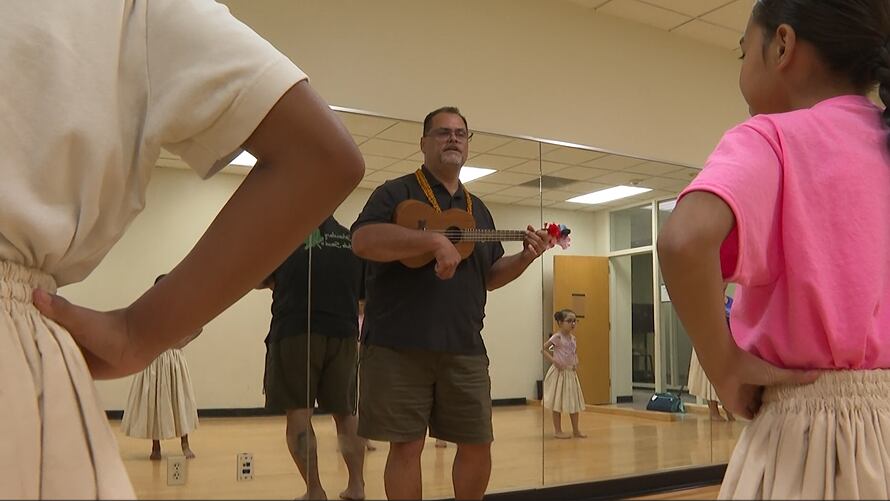
One example of this cultural preservation is Pomaikai Gaui, who has taught hula through the Kehaulani Halau in West Valley City for 32 years. Her halau provides cultural education and lei-making instruction to Hawaii families, including the Chaves family, who moved from Kalihi 13 years ago.
“I think it’s great because then I get to share my culture,” Gaui said. For Jazzlynn Chaves, the halau offers her daughter a way to stay connected to her roots. “She gets sad thinking about cousins back home, but the halau provides important cultural exposure,” she explained.
Thriving Food Scene with Island Flavors
Hawaii transplants have created a thriving food scene featuring island-inspired cuisine. One successful venture is Mo Bettah’s, started by Kaneohe brothers Kimo and Kalani Mack in 2008. The restaurant has grown to 68 locations across seven states after the brothers were priced out of Hawaii while working as bus drivers on Oahu.
“Here I am born and raised in Hawaii, taking everybody to the beach, but I couldn’t...I could never go. I was working all the time,” Kalani Mack said about his former job as a bus driver.
Other notable food businesses include Natin but Grindz, a food truck started by Big Island natives Ayzeia Rodrigues with the help of his family. The truck now brings in enough money that the rest of the family quit their jobs and work for Rodrigues.
Local Restaurants with Hawaiian Roots
Side of Aloha in South Jordan has a strong following with its Liikoi Pork. Owners Nina Alu and Kiel Dela Pena are from Waimea on the Big Island. Dela Pena, who grew up doing construction, earned a degree in civil engineering. However, his wife wanted to start a restaurant, so he now cooks, cleans, and plays live Hawaiian music.
He often sings with Jason Sadang and Fausto Allosada, Hawaii natives from Maui. They all met after moving to Utah. Sadang and Allosada started the Paina Project, a group that connects locals there. They perform at Aunty’s Hawaiian Kitchen in Riverton, Utah, which was started by Jennifer Frandsen with help from her brother, John Ursua, a former University of Hawaii football star and Seattle Seahawks wide receiver.
“We started in 2022,” Frandsen said, “We’ve kind of just been chucking along ever since.”
Another restaurant with Hawaiian roots is Savage Fish Poke, owned by Laie-born sisters Summer Prescott and Carey Ofahengaue.
Religious and Family Ties
Utah also offers strong religious and family connections, particularly with the Mormon church headquarters. About half of Utah’s population identifies as members of the Church of Jesus Christ of Latter-day Saints, with Polynesians making up a significant portion of that membership.
Puni Sanchez said this creates a natural support network for transplants with ties to BYU Hawaii or BYU Provo. The Kanae family from Waialua planned to return to Hawaii this year but stayed in Utah after both spouses received cancer diagnoses one week apart, citing easier access to medical care.
Derrick and Sacha Logan moved during the pandemic. Their auto repair shop on Maui was hit hard by the shutdown. They stayed after the reopening because their children have made Utah their home.
Housing Initiatives Show Promise
Back in Hawaii, efforts to address the housing crisis that drove families away are showing results. The Department of Hawaiian Home Lands awarded 2,586 homes through October 2025, up nearly 3,000% from just 84 homes awarded last year, following a $600 million legislative infusion.
Honolulu Councilwoman Andria Tupola, who lived in Utah for nearly 10 years before returning, is promoting $23,000 modular Plugin Houses as affordable housing solutions. “We have to meet them halfway and say, hey, here’s some options,” Tupola said about convincing locals to move home.
Some families are successfully returning. Jade Mapuana Riley moved back to Maui after three years in Arizona because she was finally awarded a DHHL home. She had been on the waiting list for 38 years. Through programs, she is now paying less for her five-bedroom home on Maui than she did for housing in Arizona.
Kasey Amuro, who had applied for jobs in Texas, Colorado, and Washington, will move into her first Maui home by Christmas after taking her deceased father’s place on the DHHL list. “My dad didn’t get to see this happen, and the least I could do was bring it up and take my right that he gave me,” Amuro said.
According to the University of Hawaii Economic Research Organization, about 12,100 Hawaii-born individuals returned home in 2023 while approximately 6,400 left. The highest net in-migration in more than a decade. The trend suggests more locals may now be priced back into paradise than out of it, though 29,000 people remain on the DHHL wait list statewide.

Post a Comment for "Priced Out of Paradise: Hawaii Families Find New Roots in Utah"
Post a Comment