Stay Safe: Protect Your Money While Traveling
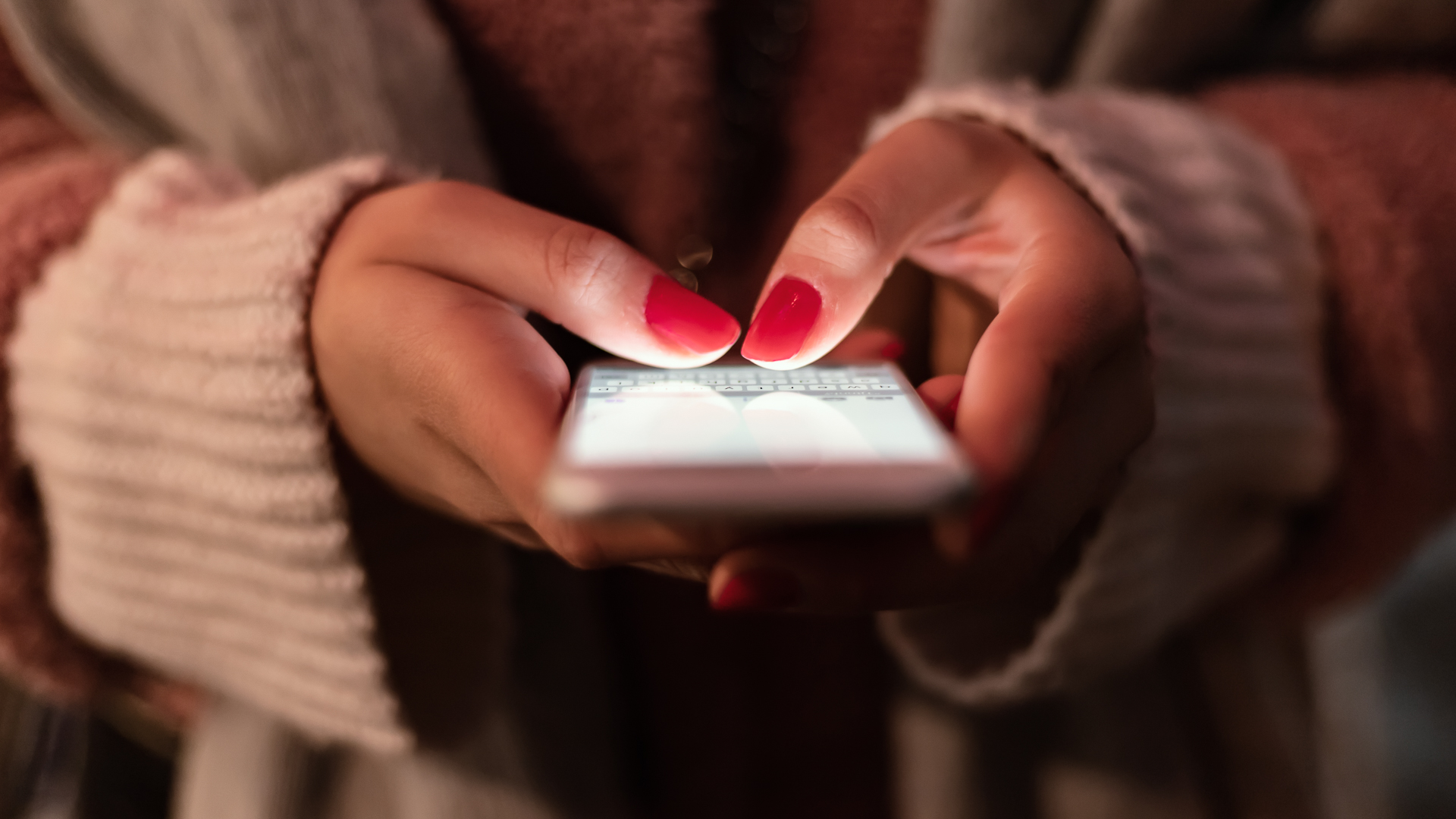
In today’s digital age, your money is mostly stored and accessed through electronic means. This convenience comes with a risk — if cybercriminals gain access to your financial information, they can easily steal it. To protect yourself while traveling, cybersecurity experts recommend taking several precautions.
Avoid Public USB Chargers
Public USB charging stations are commonly found in airports, cafes, and hotels, offering a convenient way to charge your devices. However, these stations can be exploited by hackers. Eric Plam, chief revenue officer at SIMO, a mobile connectivity company, explains that these charging points can be modified to allow data transfer. “Hackers can install malware or steal sensitive information such as emails, login credentials, or even take control of your phone,” he said. To stay safe, use your own wall charger, a charge-only cable, or bring a power bank instead of relying on public stations.
Use a VPN on Public WiFi Networks
Public WiFi networks are often unsecured, making them a prime target for cybercriminals. Aimee Simpson from Huntress, a cybersecurity company, suggests using a Virtual Private Network (VPN) when connecting to these networks. “A VPN encrypts all the data that flows between your device and the internet, adding an extra layer of security,” she explained. This helps prevent unauthorized access to your personal information.
Be Careful When Paying With Cards
Every time you swipe a card, there is a chance that a skimmer could capture your payment details. These devices are often installed inside card readers to steal your information. Tony Anscombe, chief security evangelist for ESET, advises using a credit card instead of a debit card when making physical payments. “If your card is skimmed, this gives you more time to address the issue with your card company without risking your bank account,” he said. For online transactions, consider using temporary virtual cards offered by most banks. These can be used once or turned off at any time, reducing the risk of fraud.
Watch for Phone Snatchers
Your smartphone contains a wealth of personal and financial information, making it a prime target for thieves. Protect it as carefully as you would your bank accounts. Avoid walking around with your phone visible, especially in unfamiliar areas. Don’t leave it unattended on a table where one person could distract you while another steals it. Keep your phone in your pocket or purse whenever possible.
Set Up Remote Phone Access
If your phone is stolen while traveling, having remote access capabilities can help you recover it or protect your data. Joe Cronin from International Citizens Insurance recommends enabling tracking and wiping features on your device. “This allows you to prevent unauthorized access to your personal information and financial apps,” he said.
Place a Hold on Your Mail
Some scammers may try to obtain your information through traditional methods, such as stealing your mail. Melanie McGovern, director of public relations at the Better Business Bureau, suggests placing a hold on your mail with the Postal Service when traveling. “This prevents sensitive documents from being left in your mailbox for anyone to take,” she said. It also reduces the visibility that you are away from home, making your house less attractive to potential burglars.
By following these tips, you can significantly reduce the risk of falling victim to financial scams while traveling. Stay informed, stay cautious, and keep your digital and physical assets secure.

Post a Comment for "Stay Safe: Protect Your Money While Traveling"
Post a Comment