The Game That Stopped the War
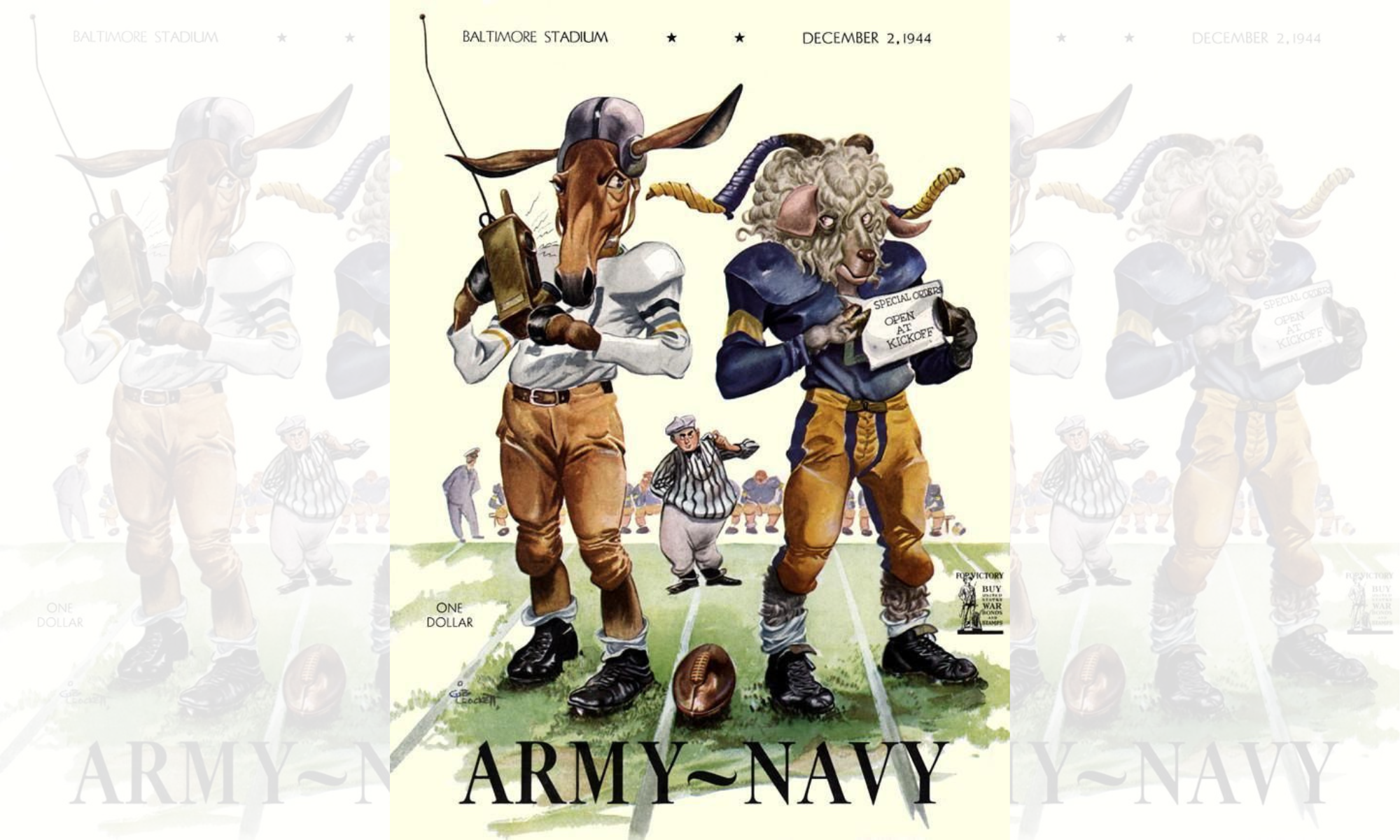
The Army-Navy Game: A Symbol of Normalcy in a Time of War
By 1944, the United States had been involved in World War II for four years. The invasion to retake Europe had begun on June 6, and the American public was captivated by the military's efforts to reclaim Europe from Nazi Germany. Amid this backdrop, the Army-Navy football game became a momentary respite from the global conflict, drawing attention back to a classic American rivalry.
The Army-Navy game represented more than just a competition; it symbolized the continuation of peacetime traditions during a national crisis. As author Randy Roberts noted in "A Team for America: The Army-Navy Game That Rallied a Nation at War," the game stood for the desire of Americans to return to normal life.
However, the game nearly didn’t happen. Shortly after the Japanese attack on Pearl Harbor, there were calls to eliminate peacetime activities like college football. Some military officials argued that such events were irrelevant to war preparation. For instance, Cmdr. James Joseph "Gene" Tunney, a former heavyweight champion, claimed that "you can't train a man to be a fighter by having him play football and baseball."
Despite these concerns, others believed in the importance of sports for morale. Rep. Samuel A. Weiss pointed out that the British were holding numerous sports events despite their proximity to enemy forces. He suggested that the U.S. should do the same. Cmdr. Thomas J. Hamilton, who led the Navy’s physical training program, supported this view and managed to reintroduce collegiate sports into military life.
The war also brought unexpected benefits to both service academies' football programs. In 1940, the Army team had a dismal record, leading some to question its future. However, the influx of young men into the military provided a surge of talent. This helped revitalize the program, especially with the hiring of Earl "Red" Blaik in 1941.
Blaik, known for his strict discipline and focus on fundamentals, transformed the Army team into a powerhouse. His leadership led to an undefeated season in 1944, with the team outscoring opponents by a significant margin.
Interest in the Army-Navy game grew significantly, with the matchup moving to Baltimore's larger stadium. Ticket sales for the event contributed to war bond efforts, raising $58.6 million in just 24 hours.
The game itself was highly anticipated, with notable figures like Gen. George C. Marshall and Adm. Ernest King in attendance. Although not televised, the game captured the attention of millions across the country and abroad.
The game took place in dramatic fashion, with both teams arriving in impressive style. Army players traveled by troopships, while Navy's contingent sailed across the Chesapeake Bay.
The contest was closely contested, with Army emerging victorious 23-7. Despite several turnovers, Army's strong ground game and defensive efforts secured the win. Both coaches acknowledged the strength of the opposing team, with Hagberg admitting that Army was simply the better team.
Gen. Douglas MacArthur, who was stationed in the South Pacific, praised the Army team in a post-game telegram, calling them "the greatest of all Army teams."
This historic game remains a testament to the power of sports in times of crisis, offering a glimpse of normalcy and unity amid the chaos of war.

Post a Comment for "The Game That Stopped the War"
Post a Comment