The Story Behind Each Month's Full Moon Name
The Full Moon Names and Their Origins
The moon is an integral part of the sky above us, and each month's full moon has a unique name that reflects the changing seasons and natural phenomena. These names have been passed down through generations and are rooted in cultural traditions, particularly those of Native American and European communities. Here’s a look at the full moon names for 2026 and their fascinating histories.
January – Wolf Moon
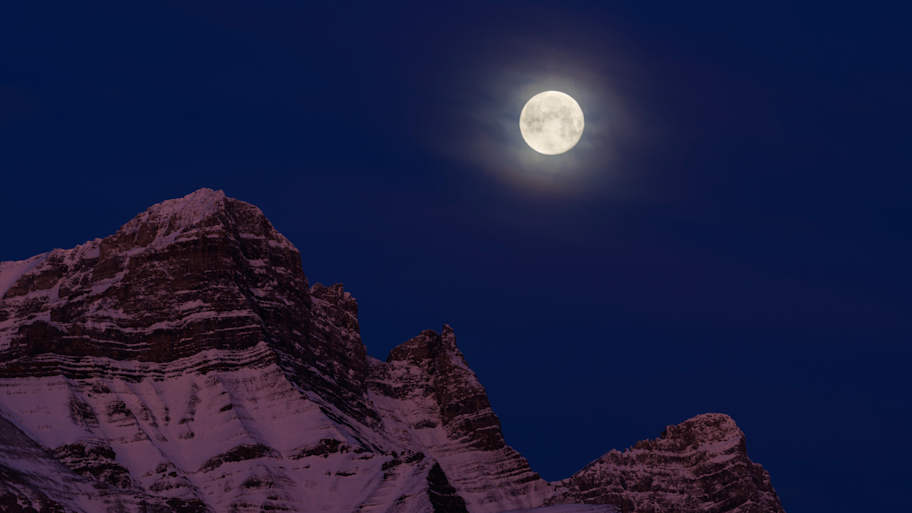
The first full moon of the calendar year is known as the Wolf Moon. This name comes from the idea that wolves could be frequently heard howling during the depths of winter. Both Native Americans and Europeans used this name, as wolves were once commonly found throughout both continents. The howling of wolves was often associated with the harsh conditions of winter, making this name a fitting representation of the season.
February – Snow Moon
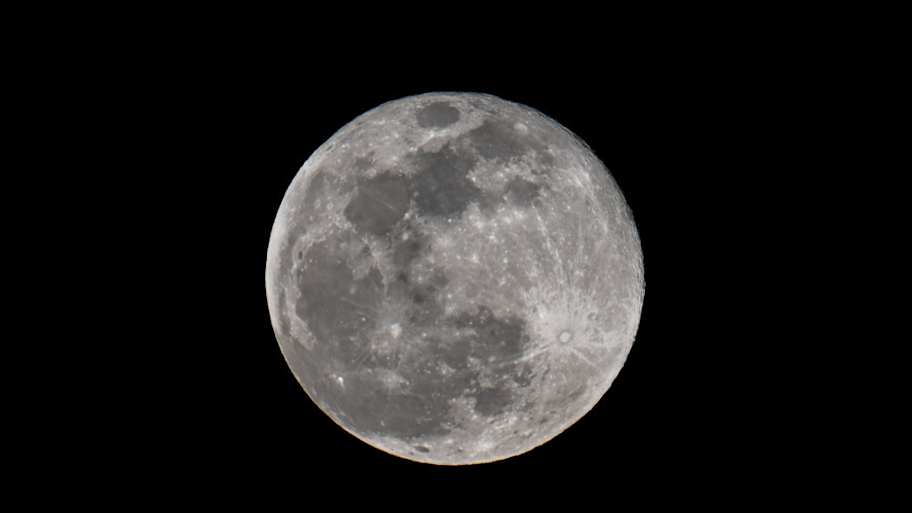
The Snow Moon was named because February is traditionally the coldest month in the Northern Hemisphere, and it is also likely to see snowfall. Other names for this moon among North American people include the sleet moon, as seen in the Comanche culture. These names reflect the cold and icy conditions that characterize this time of year.
March – Worm Moon
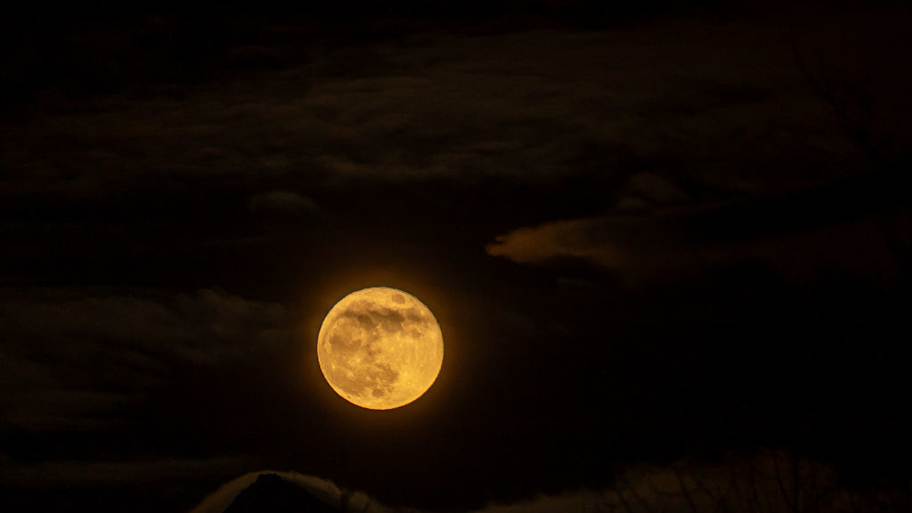
March's full moon became known as the Worm Moon because this month typically marks the beginning of milder weather as the seasons transition into spring. It is the time when earthworms begin popping up from the warming soil. Native American tribes in the southern parts of the continent used this name, while those in more northern places with colder soil often did not see earthworms appearing this early.
April – Pink Moon
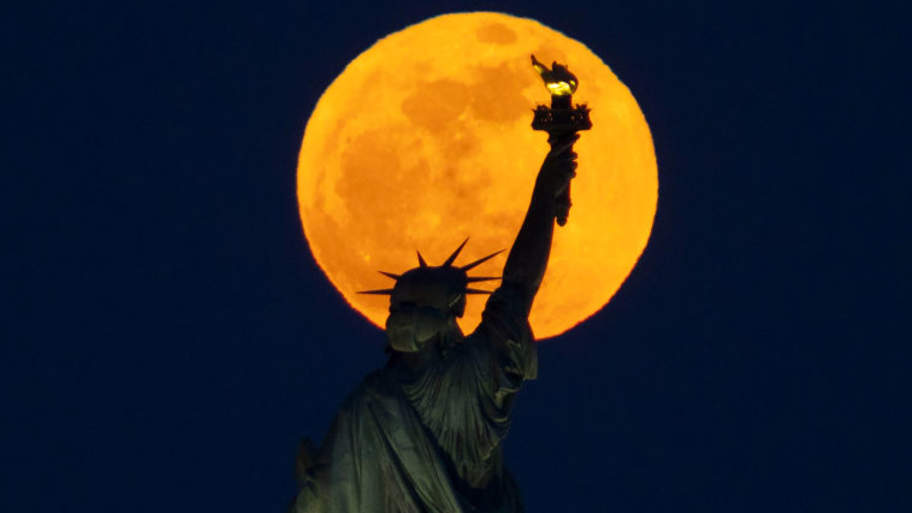
April's full moon references the perennial moss phlox, known in Latin as Phlox subulata. Its beautiful pink flowers often blossom in April in North America. (The moon itself, however, is not pink at this time.) Several Native American cultures and European cultures have their own names for April's full moon, many of which were inspired by plants growing and blossoming in spring.
May – Flower Moon
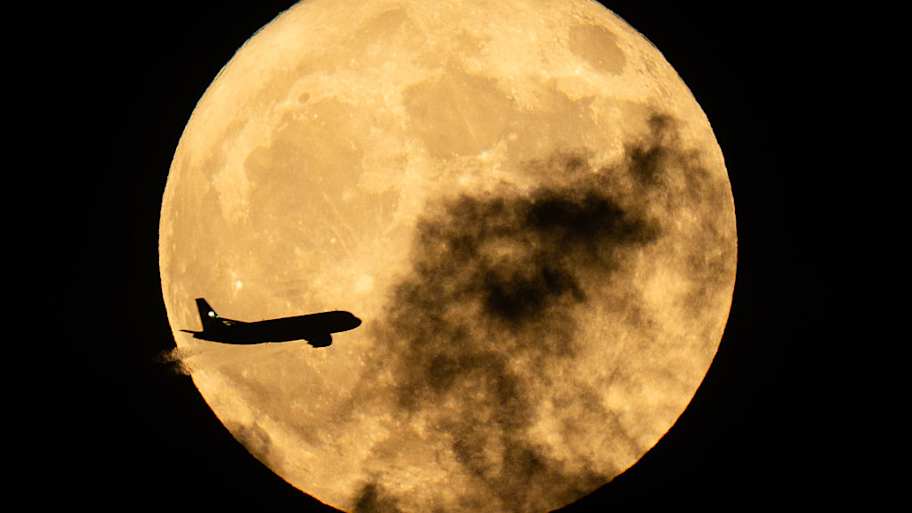
May's full moon is also a nod to nature's beauty, as many species of flowers in the Northern hemisphere begin to bloom during this month. The name originates from the Algonquin people of Canada and the Northeastern U.S. In medieval English culture, May's full moon was sometimes known as the milk moon as it appeared at a time when the animals were frequently milked.
June – Strawberry Moon
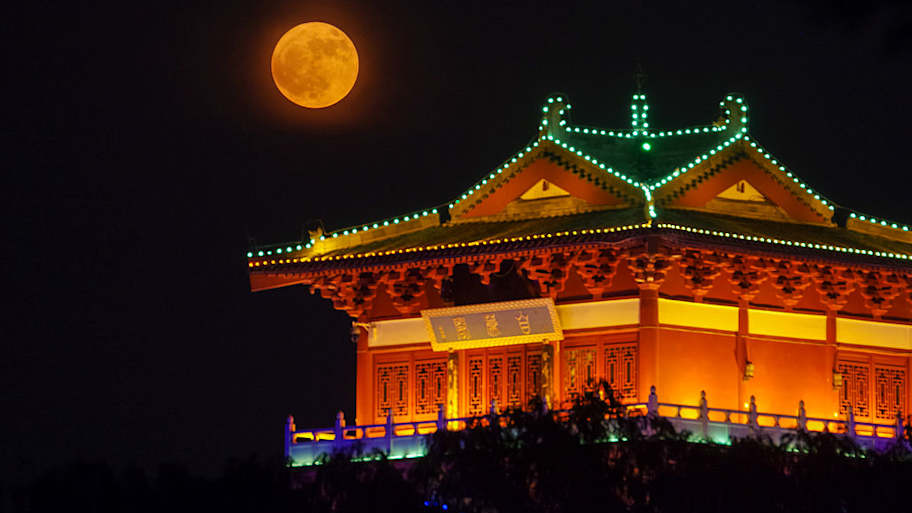
The Strawberry Moon references the fruit's harvest, which takes place in June. Several Native American tribes, including the Algonquin, Dakota, Ojibwe, and Lakota, originated the term. The Strawberry Moon sometimes coincides with the night of the summer solstice, adding to its significance.
July – Buck Moon
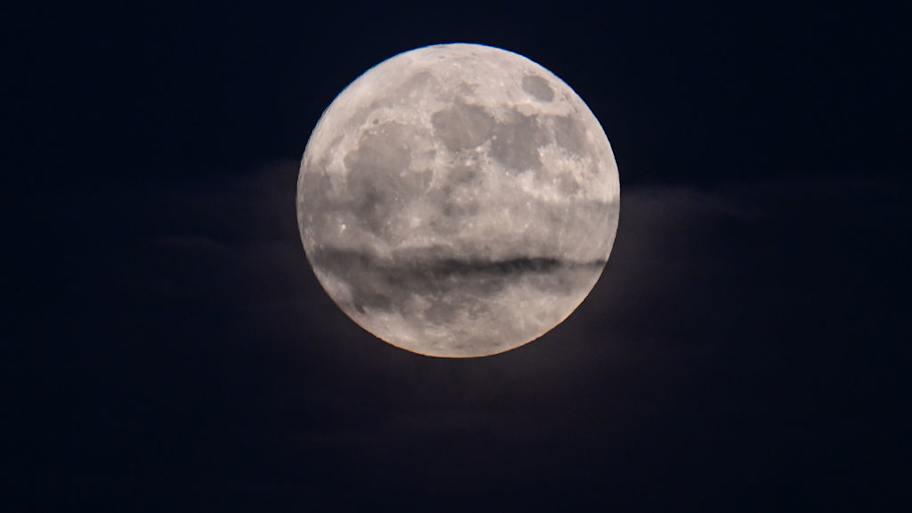
Bucks, or in other words, male deer, usually see their antlers reach their peak length in July. (The animals shed their antlers during winter, then begin growing new ones in the spring.) The Buck Moon, like other names on this list, was coined by the Algonquin people.
August – Sturgeon Moon
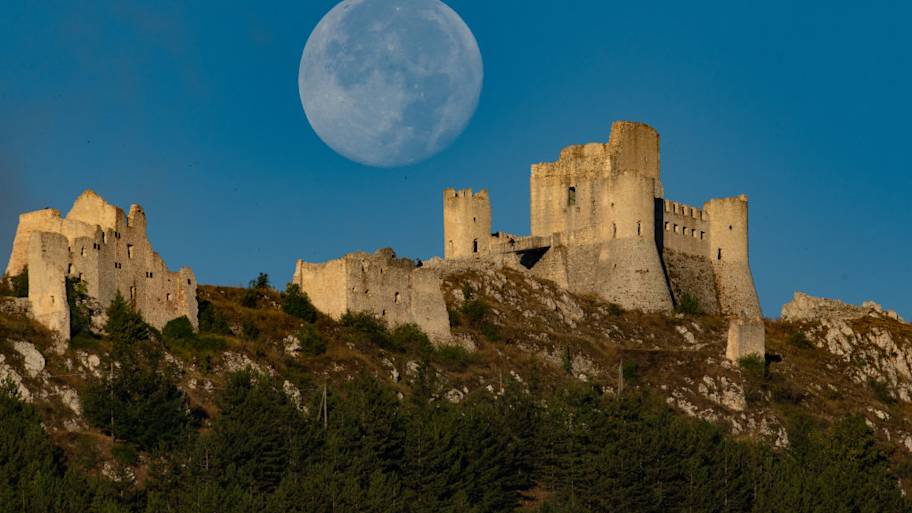
Sturgeon are abundant in the summer; August itself is known as a great month for fishing. The Algonquin people historically relied on the sturgeons found in the Great Lakes as a source of food. This name highlights the importance of fishing during this time of year.
September – Corn Moon or Harvest Moon
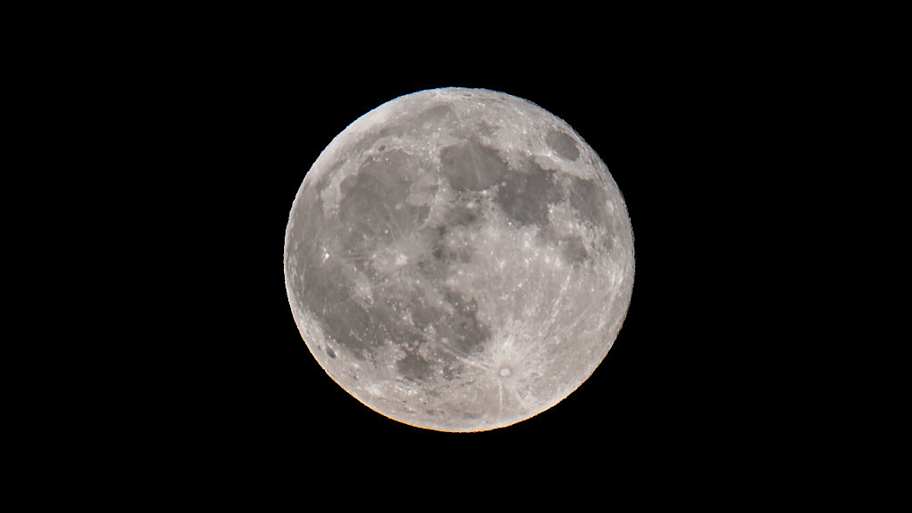
September's full moon can have two names: the Corn Moon and the Harvest Moon. The former honors the time of year when corn is traditionally harvested. However, September's full moon is more often known as the Harvest Moon. This is the full moon that occurs closest to the fall equinox. When the full moon closest to the autumnal equinox rises in October rather than September, the ninth month's moon is referred to as the Corn Moon.
October – Hunter Moon
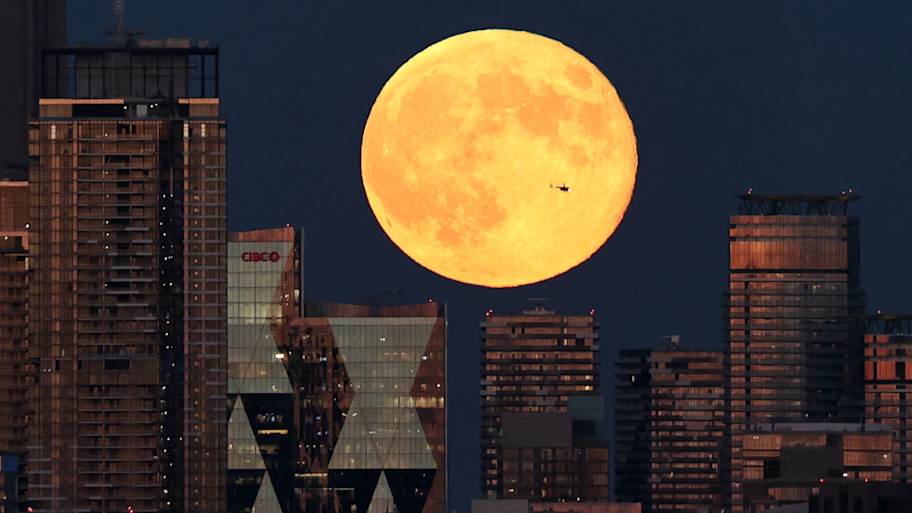
October marked the transition toward winter, and was therefore a time when people hunted to stock up on food for the dark, cold months ahead. The light of the full moon helped illuminate the surroundings of those who hunted by night.
November – Beaver Moon
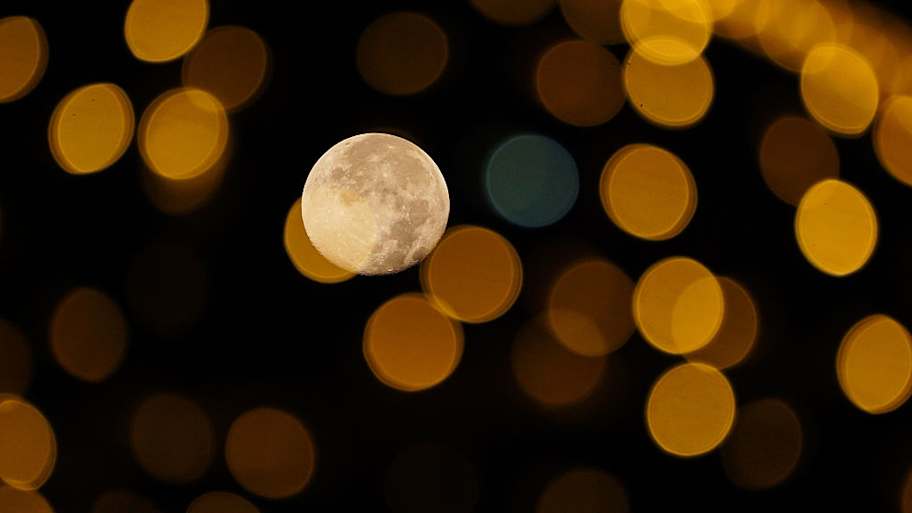
The Beaver Moon is also connected to winter's approach, as it alludes to the animals' tendency to create dams and secure their homes in preparation for the frigid months ahead. The name is rooted in both Native American and early European cultures. An alternative name some Indigenous people in North America use is the Frost Moon, which also references the cold conditions November brings.
December – Cold Moon
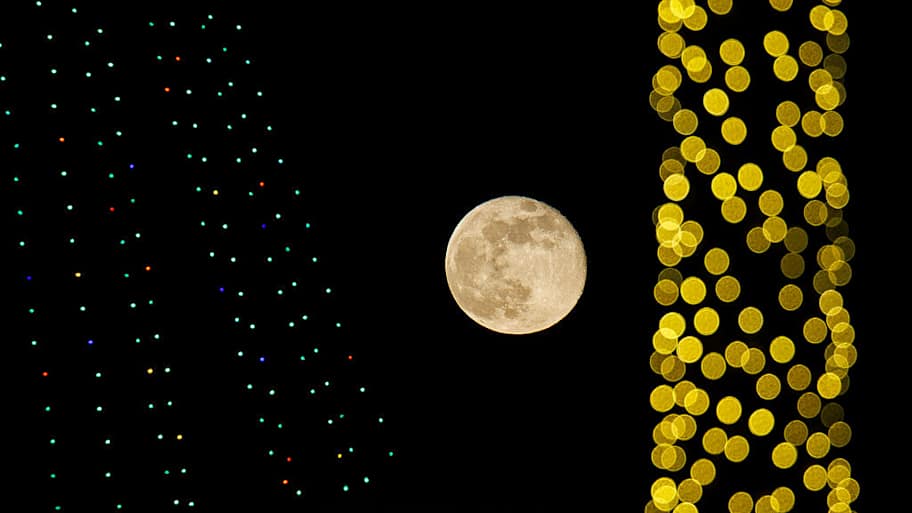
The Mohawk people dubbed the final moon of the year the Cold Moon due to the dark, cold nights traditionally experienced during December in the Northern Hemisphere (the Mohican people refer to it as the long night moon). Another more specific name for this moon is "the moon when the deer shed their antlers." In some European cultures, the full moon that rises before the winter solstice is known as the Yule Moon or Oak Moon.

Post a Comment for "The Story Behind Each Month's Full Moon Name"
Post a Comment