Top Polluted Caribbean Spot: A Dominican City to Avoid
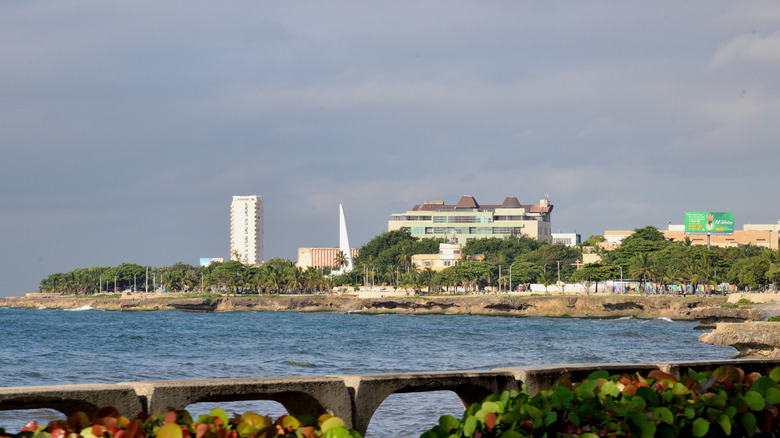
A Contrasting Paradise
When the name Dominican Republic is mentioned, it often conjures images of a tropical paradise. The island is surrounded by some of the Caribbean's most beautiful beaches, where soft sand, clear turquoise waters, and rich biodiversity create an ideal setting for relaxation. This destination is not only visually stunning but also offers some of the Caribbean's most affordable all-inclusive resorts, making it a popular choice for millions of tourists each year.
However, this idyllic image contrasts sharply with the reality faced by residents in Bajos de Haina, a coastal city on the southern part of the island. Once a peaceful town, Haina has become one of the most polluted areas in the Caribbean due to years of industrial activity that has left the environment heavily contaminated.
A History of Industrial Growth and Environmental Degradation
The story of Haina began in the 1950s when the community was known for its clean rivers and abundant fruit trees. It was a place where people could swim in the Rio Haina and enjoy the natural surroundings. The arrival of one of the world’s largest sugar mills brought jobs and attracted workers from neighboring Haiti, marking the beginning of a shift toward industrialization.
In the 1970s, Refidomsa, the country's only oil refinery, established itself in the area. Soon after, other factories followed, particularly those involved in battery recycling and lead smelting. These industries introduced dangerous pollutants into the environment, leading to severe contamination of the soil, water, air, and even the beaches.
This pollution earned Haina the grim nickname of the "Dominican Chernobyl." The impact on the population was devastating, with the United Nations declaring in the early 2000s that everyone in the town suffered from some level of lead poisoning. At the time, Haina was considered the most lead-contaminated place in the world.
Health Crises and Long-Term Effects
The effects of the pollution were evident in the health of the residents. Lead exposure led to serious health issues, including convulsions, seizures, respiratory problems, skin lesions, and neurological damage. Children were especially vulnerable. In the late 1990s, more than 25% of children in Haina had blood lead levels between 40 and 99 micrograms per deciliter—far exceeding the 10 µg/dl threshold considered toxic in the United States.
Dr. Conrado Depratt, a chemistry professor in the Dominican Republic, described the situation as alarming. He noted that even visiting the area could cause health issues, as seen in a journalist who experienced a sore throat, cough, and skin rash after just half an hour near the contaminated factories.
Community Response and Ongoing Challenges
Residents of Haina eventually organized protests against the pollution, leading to the closure of some factories. Others claimed to be adopting greener practices, but the damage had already been done. Efforts to clean up the area initially showed promise, but they were hampered by the fact that removing contaminated soil only exposed more lead.
Wastewater from the factories has also seeped into the beaches, which are now littered with plastic and trash. The pollution has turned the once-pristine coastline into a stark contrast to the rest of the Dominican Republic's beautiful beaches.
While the country continues to attract visitors with its sunny shores and vibrant culture, Haina remains a cautionary tale of environmental neglect and the long-term consequences of industrial expansion.

Post a Comment for "Top Polluted Caribbean Spot: A Dominican City to Avoid"
Post a Comment