Visa-Free Travelers to Face New Social Media Checks in the U.S.
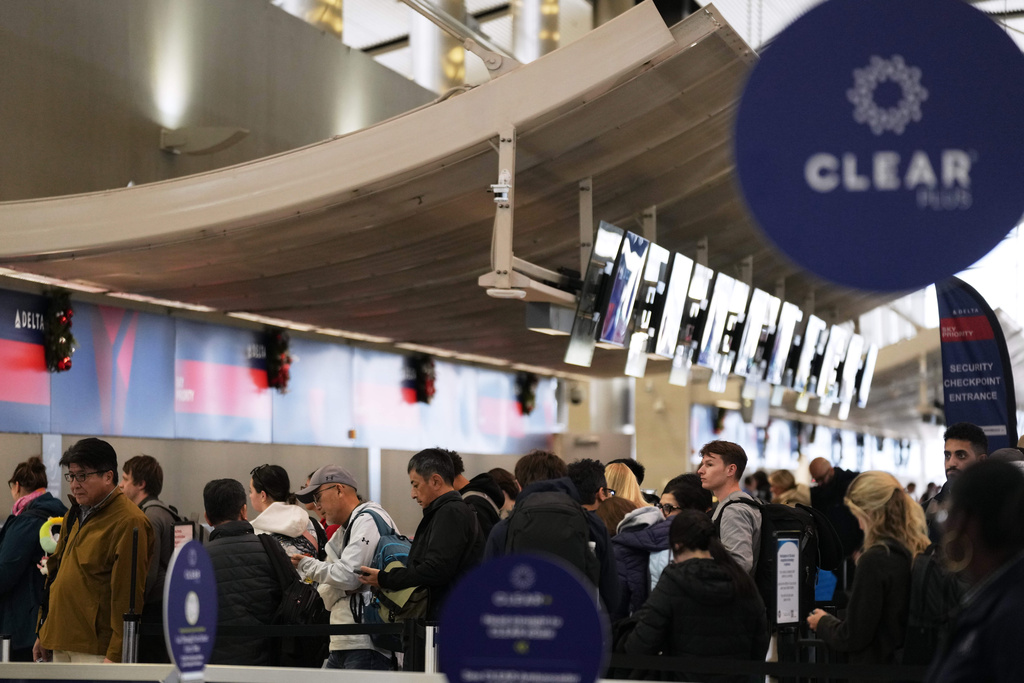
Proposed Changes to Travel Requirements for Visa Waiver Program Participants
A new proposal is being considered by the U.S. Department of Homeland Security (DHS) that could significantly change the way travelers from certain countries are vetted before entering the United States. Under this plan, individuals who are allowed to visit the U.S. without a visa due to their country's participation in the Visa Waiver Program (VWP) may soon be required to provide detailed information about their social media activity, email accounts, and even extensive family history.
This proposal was published in the Federal Register on Wednesday and outlines the potential requirement for these travelers to submit five years' worth of social media data. The move aligns with broader efforts by the Trump administration to enhance security measures for international visitors and immigrants.
The VWP currently allows citizens from approximately 40 countries—mostly in Europe and Asia—to travel to the U.S. for tourism or business purposes without needing a visa. These travelers typically use the Electronic System for Travel Authorization (ESTA), which automatically screens them and approves their entry. Unlike those applying for a visa, they generally do not need to attend an interview at an embassy or consulate.
However, under the proposed changes, the Customs and Border Protection (CBP) would begin requesting additional details beyond what is currently required. This includes a list of telephone numbers used over the past five years, email addresses used over the last decade, and metadata from electronically submitted photos. Additionally, applicants would need to provide extensive information about their family members, such as their places of birth and telephone numbers.
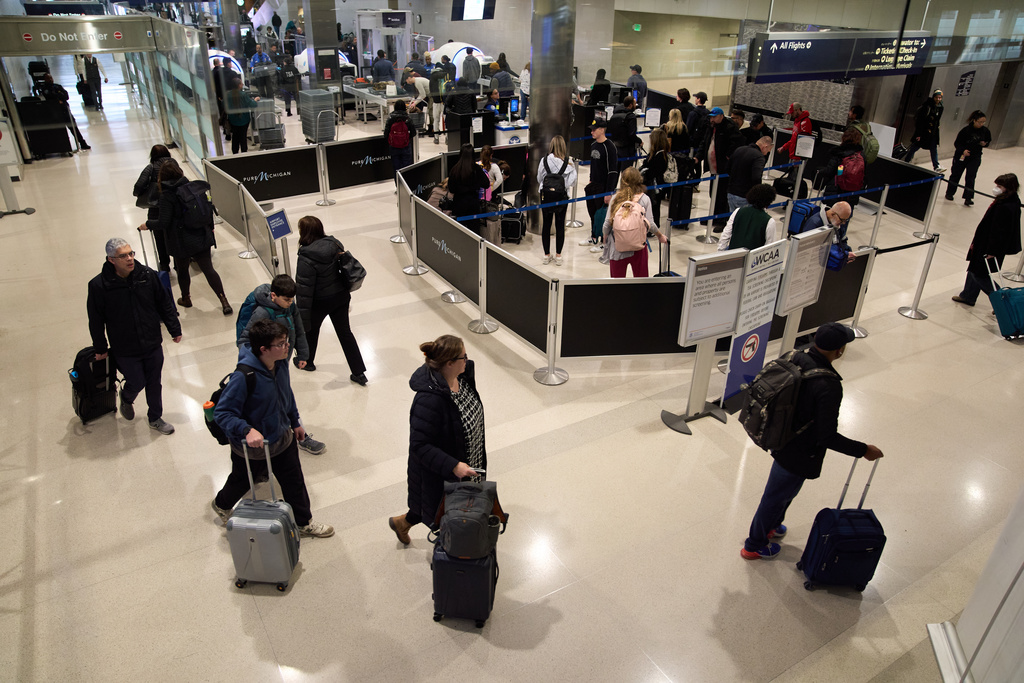
Current ESTA Application Process
Currently, the ESTA application asks for a more limited set of questions, including the names of parents and the applicant’s current email address. However, the proposed changes would expand the scope of information collected significantly.
At a recent White House event, President Donald Trump was asked whether he was concerned the measure might affect tourism to the U.S. He responded that safety and security were the top priorities. “We want safety, we want security, we want to make sure we’re not letting the wrong people come into our country,” he said.
The public will have 60 days to comment on the proposed changes before they can go into effect. CBP has emphasized that the rule is not yet finalized and is still in the early stages of discussion.
“Nothing has changed on this front for those coming to the United States. This is not a final rule, it is simply the first step in starting a discussion to have new policy options to keep the American people safe,” the agency stated.
The statement also mentioned that the department is continuously evaluating how to vet those entering the country, especially following the terrorist attack in Washington DC against the National Guard just before Thanksgiving.
Background and Previous Policies
The announcement did not specify what the administration is looking for in social media accounts or why it is seeking more information. However, the agency stated that the proposal complies with an executive order signed by Trump in January that calls for increased screening of people entering the U.S. to prevent the entry of potential national security threats.
Travelers from countries not part of the VWP system are already required to submit their social media information, a policy that originated during the first Trump administration and continued under President Joe Biden.
Since January, the Trump administration has increased checks on both immigrants and travelers, including those already in the U.S. Officials have tightened visa rules by requiring applicants to set all their social media accounts to public so that they can be more easily scrutinized. Refusing to make an account public can be grounds for visa denial, according to guidelines from the State Department.
U.S. Citizenship and Immigration Services now considers whether an applicant for benefits, such as a green card, has “endorsed, promoted, supported, or otherwise espoused” anti-American, terrorist, or antisemitic views.
Concerns from Advocates
The heightened focus on social media screening has raised concerns among immigration and free speech advocates. They worry about what the Trump administration is looking for and whether these measures could target individuals who criticize the administration, potentially infringing on free speech rights.

Post a Comment for "Visa-Free Travelers to Face New Social Media Checks in the U.S."
Post a Comment