Walk, Don't Run: Outdoor Workouts Meet Casual Socializing
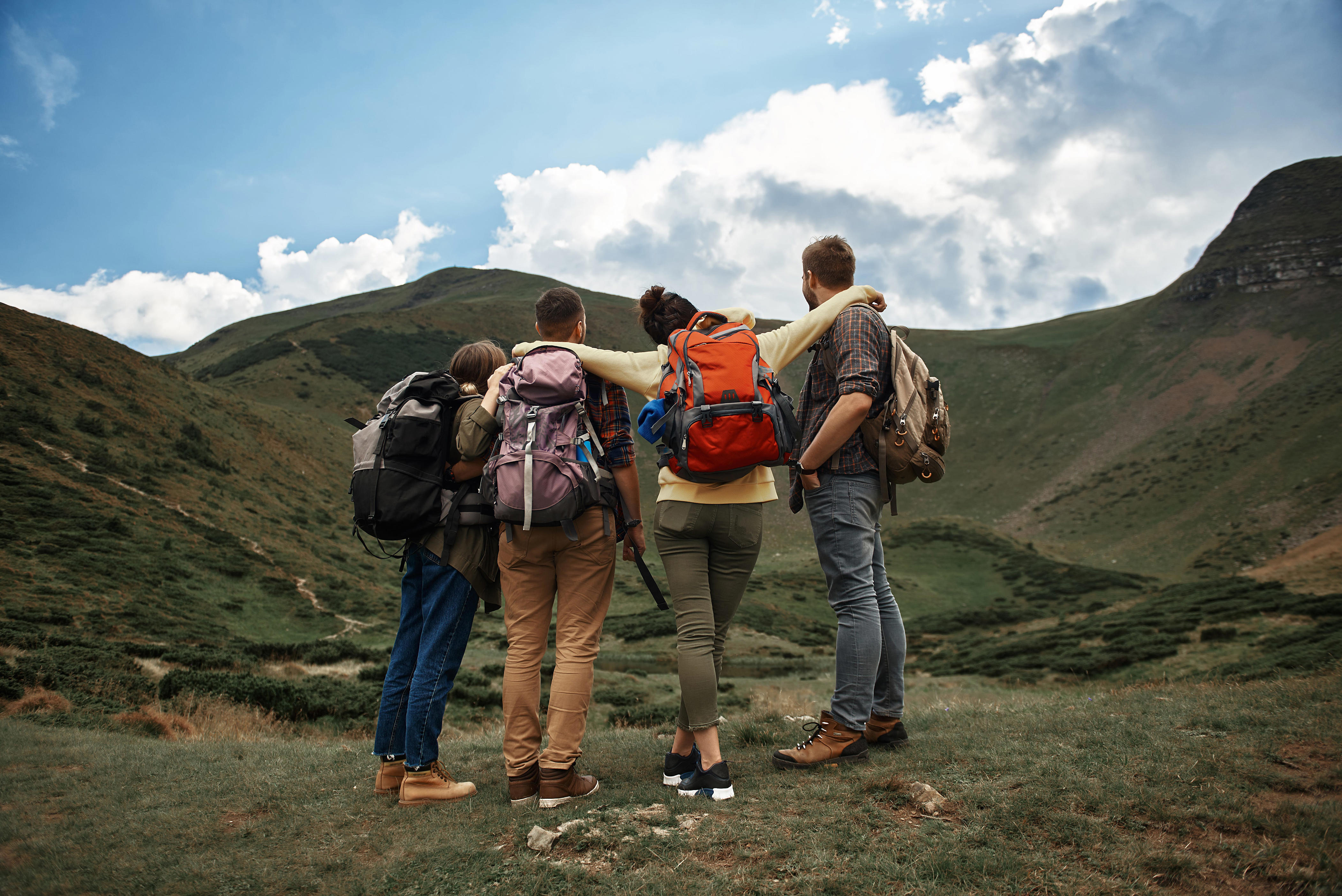
Rise of Hiking Clubs in 2025
Data from Strava and AllTrails revealed that hiking clubs experienced a significant surge in popularity in 2025. This trend coincided with record-breaking attendance at National Parks in 2024. Unlike run clubs, which have been on the rise for years, hiking and walking groups are gaining traction due to their accessibility and low-key nature.
According to recent data from Strava, a fitness tracking app, and AllTrails, a hiking navigation app, hiking clubs saw a sixfold increase in 2025 — nearly doubling the growth rate of run clubs. In the same year, AllTrails reported a 20% rise in users, reaching 90 million accounts.
Hiking clubs now cater to a wide range of preferences, making them appealing to diverse groups. Whether someone is a creative in Los Angeles seeking a morning workout, a woman in North Carolina looking for companionship, or a "hot girl" searching for travel buddies, there's likely a club tailored to their interests.
The Simplicity and Benefits of Hiking
One reason hiking and walking are becoming more popular is their simplicity. These activities offer similar health benefits and social opportunities as running but without the need for high stamina or expensive gear. This makes them more accessible to a broader audience.
The pandemic played a significant role in this shift. During lockdowns, many people turned to outdoor activities, whether through run clubs or local hikes. National Parks saw a massive influx of visitors starting in 2020, and this trend hasn't waned. According to National Parks visitation data, 2024 recorded the highest number of visitors ever, surpassing 331 million — a 28% increase since 2020.
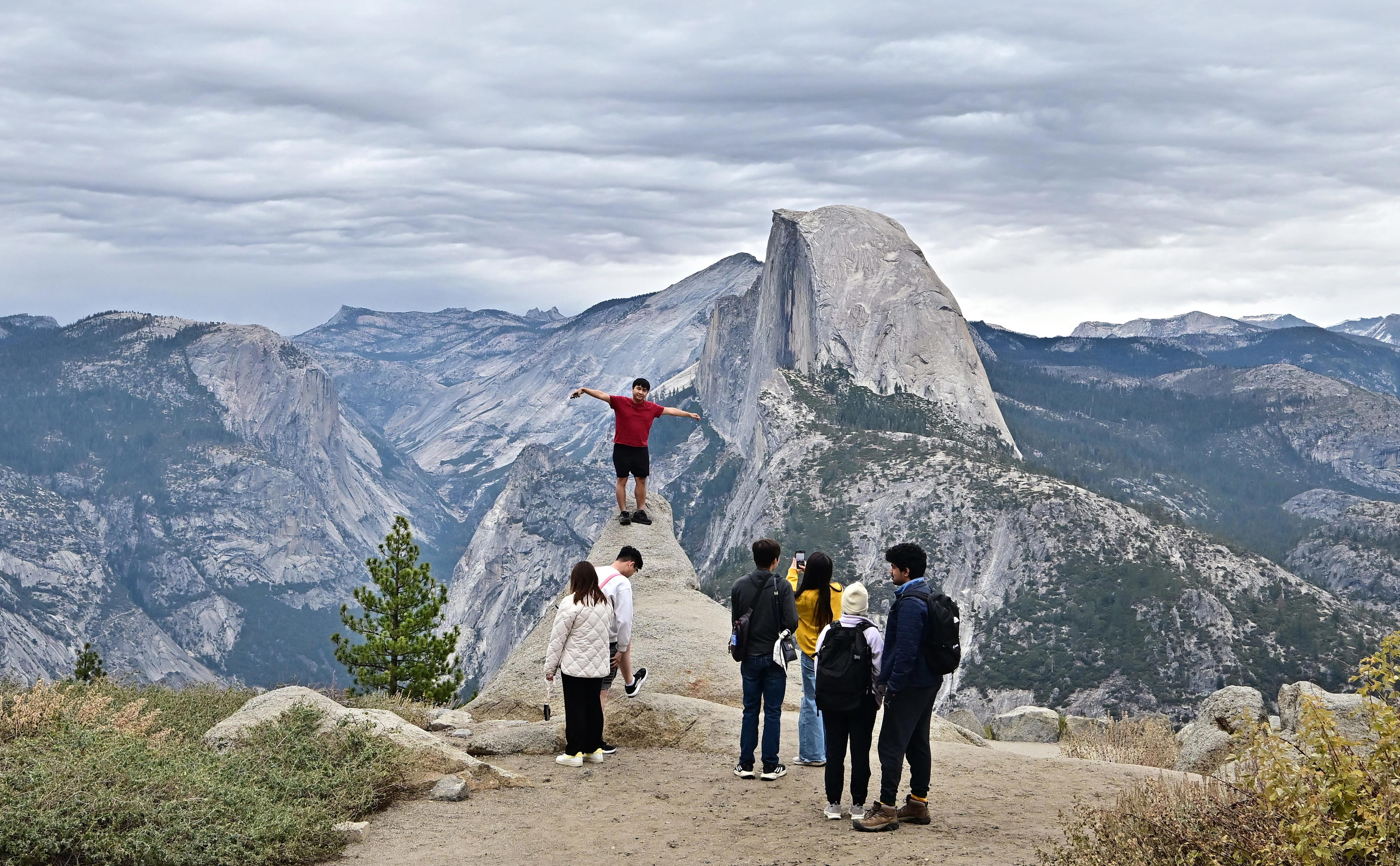
A Lasting Appeal of National Parks
Five years after the pandemic, National Parks continue to draw large crowds. Jason Frye, a hiking writer and author of a recent National Parks guidebook, noted that the numbers reflect a significant increase in activity. “When you look at the feet on the trail, bodies in visitor centers, and cars on the road, you see that the parks have exploded,” he said.
Strava’s data also showed that hiking was the second most popular reason for traveling, behind winter sports. Carly Smith, chief marketing officer for AllTrails, mentioned that many hikers search for locations over 200 miles from home, indicating that the app is used for both planning and navigating trips.
Smith believes the continued interest in hiking is tied to the lasting impact of remote work. “There are more people working remotely than before,” she said. “Hiking clubs can provide a sense of community that people might not find elsewhere.”
A More Approachable Workout
While running is a popular cardio exercise, it isn’t the only way to burn fat. Brisk walking or light jogging can be just as effective while being less physically demanding. Hiking, especially with a heavy backpack, can help burn fat and build muscle simultaneously.
This has led to the rise of rucking, or walking with weights, which became a buzzworthy trend last year. Networking events where people chat while exercising have also gained popularity.
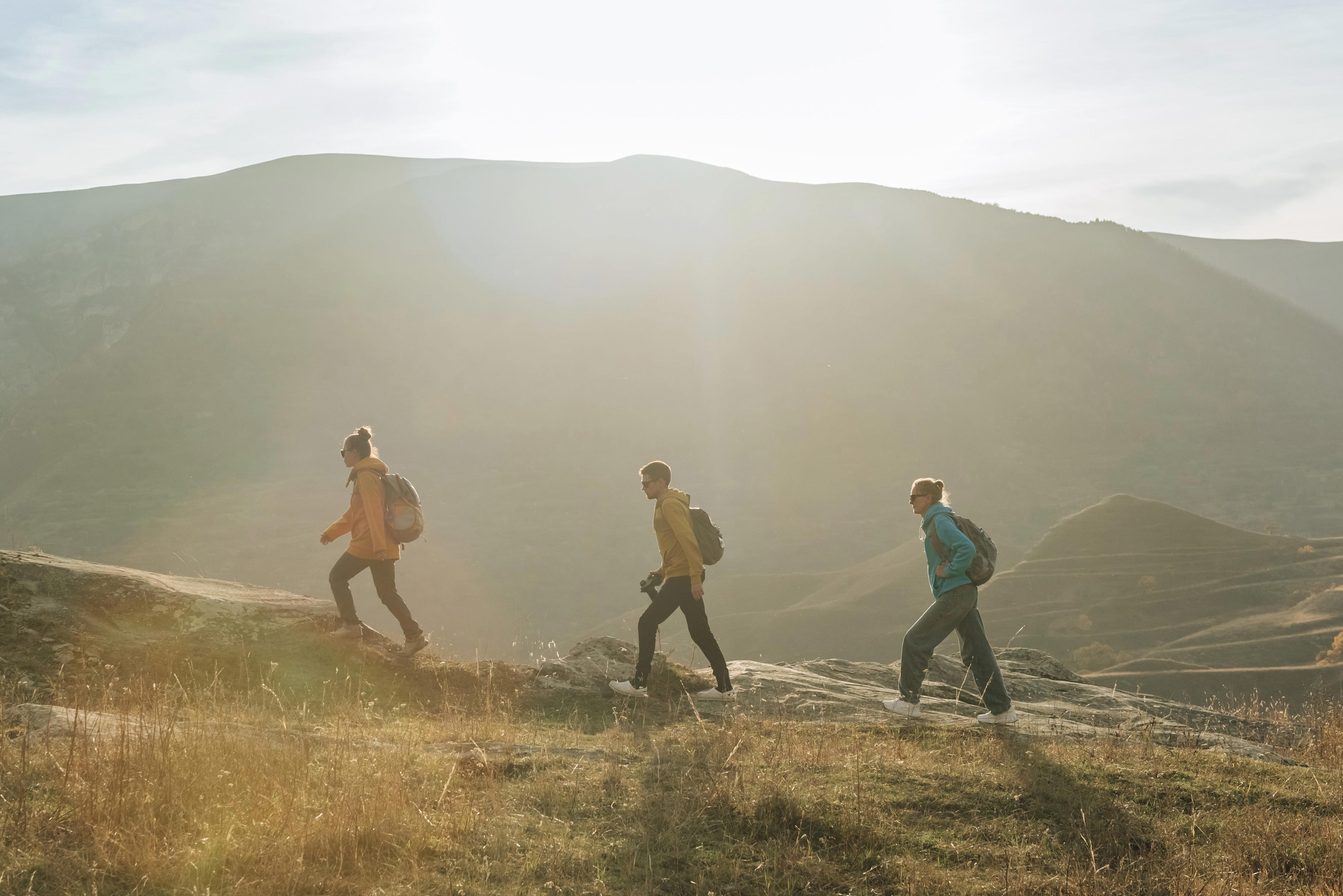
Cost-Effective and Accessible
Hiking, rucking, and walking are also more financially accessible than joining a luxury gym. Weighted vests, a popular accessory, cost around $30-$40 on Amazon, while a backpack from GoRuck starts at $115. Additionally, many hikes don’t require strenuous effort, making them less daunting in terms of both physical and financial commitment.
Jason Frye, who lives near Great Smoky Mountains National Park, shared that many nearby trails are more like walks in the woods than actual hikes. “You can hop out of the car and do it in your flip flops from most of them,” he said. No high-tech gear is needed.
Low-Stakes Socializing
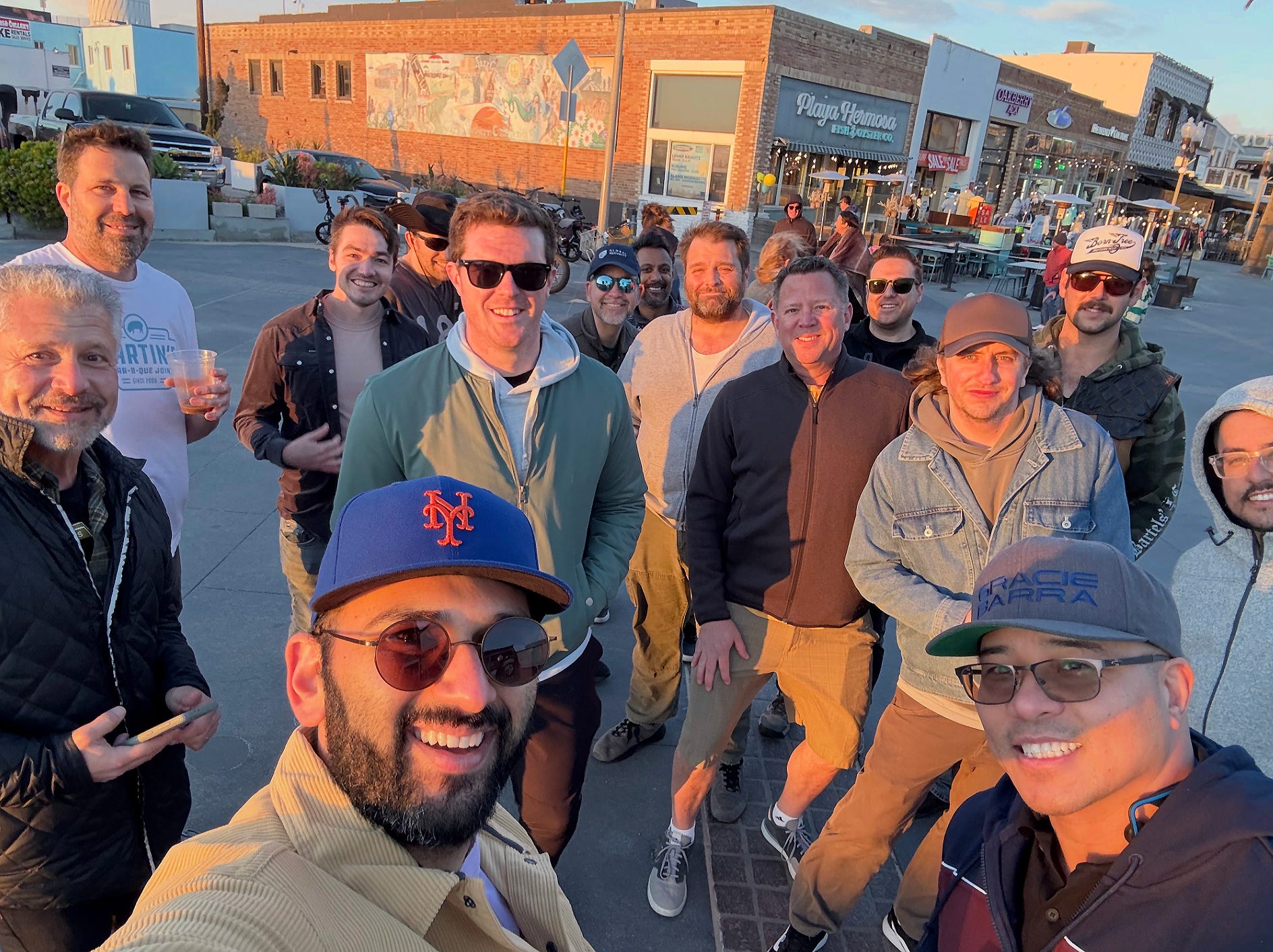
According to Strava’s report, walking was the second-most tracked activity in 2025, after running. Both walking and hiking offer a more low-stakes group experience compared to longer runs. Jonathan Jacobs, who started a men’s walking group in Los Angeles, noted that the low barrier to entry makes it easier for newcomers to join.
“Men who come to the walks repeatedly tell me that the low barrier to entry — no need to sign up or pay a fee to join — makes it easier for them to commit,” he said.
A Cultural Shift Toward Simplicity
City dwellers participating in trends like “walking Manhattan from tip to tip” also found the experience memorable and low-key. Frye believes the hiking trend is part of a larger cultural shift toward simpler, analog activities. “There seems to be this cultural shift, away from the digital and more toward the analog,” he said. “We're looking at these ways to return to easier things, and it doesn't get much easier than hiking.”

Post a Comment for "Walk, Don't Run: Outdoor Workouts Meet Casual Socializing"
Post a Comment