Breastfeeding on a Plane, Packing Milk? New Law Challenges TSA
A New Law to Protect Mothers and Parents Traveling with Breastmilk
A recent legislative effort has introduced stronger protections for mothers and parents traveling with breastmilk, marking a significant step forward in addressing the challenges faced by families during air travel. This law was driven by the advocacy of a well-known TV host who gained attention for sharing her own difficult experience with airport security several years ago.
Emily Calandrelli, the host of “Emily’s Wonder Lab” on Netflix and a popular figure on social media under the name The Space Gal, shared her frustrations about navigating airport security as a breastfeeding mother. Her post from 2022 highlighted the struggles she faced at Los Angeles International Airport, which resonated with many other parents who had similar experiences. The post sparked a broader conversation about the lack of awareness among Transportation Security Administration (TSA) agents regarding the proper procedures for handling breastmilk and related equipment.
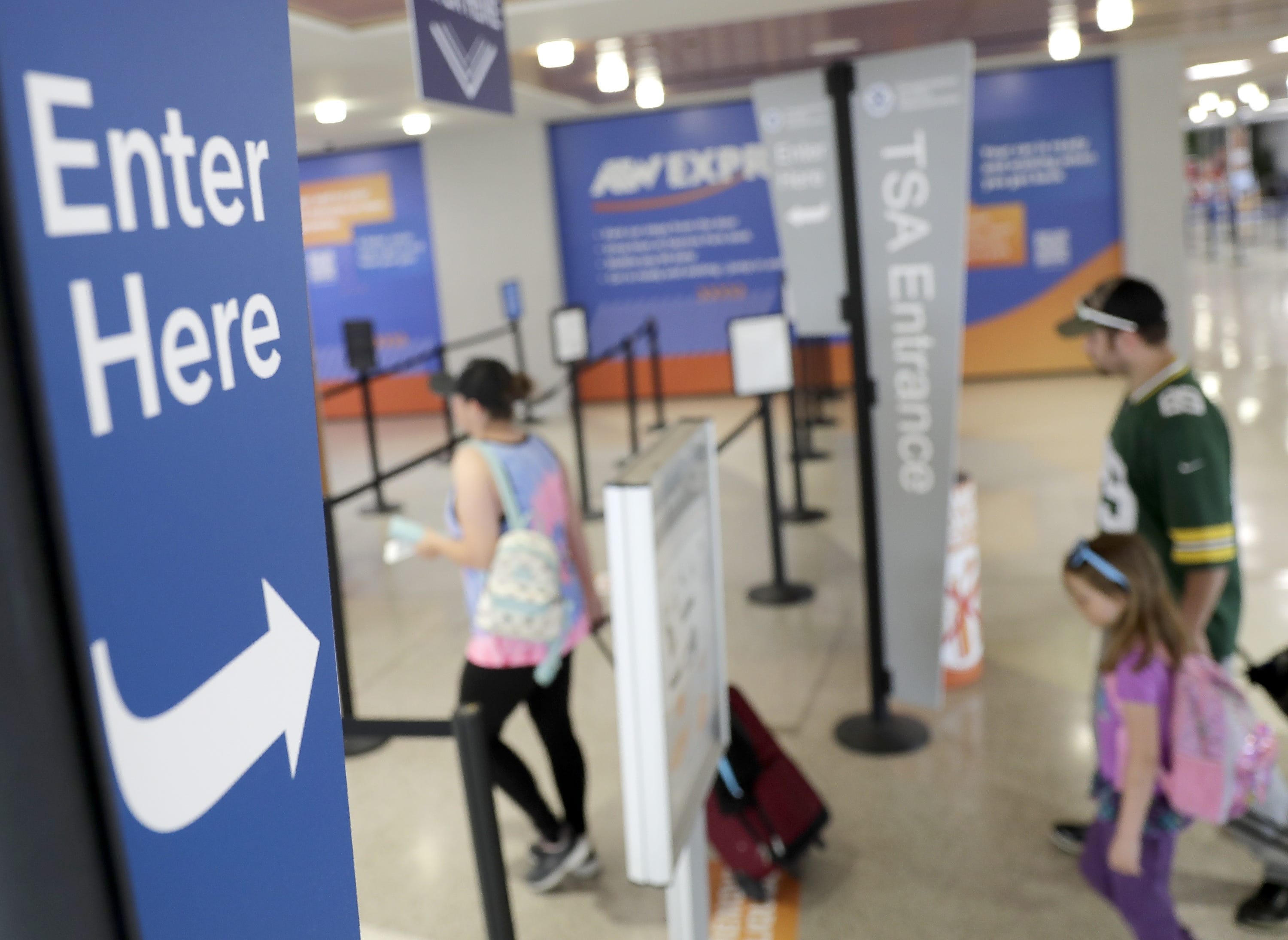
Calandrelli expressed her frustration with the common misunderstanding among TSA agents about the protocols surrounding pumping and feeding babies. She emphasized that these issues should not be a part of the travel experience for parents. Her story became a catalyst for change, leading to the passage of the Bottles and Breastfeeding Equipment Screening Enhancement Act, which is now a law.
What is TSA’s breast milk policy? Is there a limit?
Breast milk and formula are considered medically necessary liquids, the TSA said. It is allowed in your carry-on, and it can be in quantities more than 3.4 ounces or 100 milliliters — an amount often the maximum for most liquids, creams, and pastes in a carry-on, according to the TSA. Also, breast milk and formula don’t have to fit within a quart-sized bag when traveling with a carry-on, a rule that otherwise applies to travelers with liquids in their carry-on bags.
Ice packs, freezer packs, frozen gel packs, and other items required to cool breast milk and formula are also allowed in carry-ons, according to the TSA.
Does TSA break milk policy change if I’m traveling without a baby?
You don’t need to have a child or infant present to bring breast milk, formula, and other related supplies.
How does new law impact TSA breast milk, breastfeeding guidelines?
The Bottles and Breastfeeding Equipment Screening Enhancement Act received bipartisan support. It was sponsored in the U.S. House of Representatives by California Rep. Eric Swalwell and by Illinois Sen. Tammy Duckworth in the U.S. Senate, along with other cosponsors.
The law requires TSA to issue or update guidance to “minimize the risk for contamination of breast milk, baby formula,” and other related items that face re-screening or additional screening, including ensuring that hygienic standards are followed, according to the Congressional Research Service. Related items include ice packs, freezer packs, frozen gel packs, and other items needed to keep breast milk and formula cold.
The BABES Enhancement Act also directs the U.S. Department of Homeland Security’s Office of Inspector General to audit compliance with these requirements and submit a report to Congress.
Duckworth said the law will “make it easier for new moms to travel by ensuring TSA keeps its employees up to speed on their own policies.”
“This is a hard-won victory for so many moms who have been mistreated by TSA while traveling with breastmilk and the breastfeeding equipment they need to pump and feed their babies,” she said.
Paris Barraza is a trending reporter covering California news at The Desert Sun. Reach her at pbarraza@gannett.com.
This article originally appeared on Palm Springs Desert Sun: Flying while breastfeeding, packing breast milk? New law takes on TSA
What Traveling Parents Need to Know
The new legislation aims to ensure that parents can travel with their breastmilk without unnecessary delays or embarrassment. Here are some key points that traveling moms and parents should be aware of:
- Proper Documentation: While there is no requirement to show proof of medical necessity, it's advisable to carry any relevant documentation, such as a doctor’s note, if needed.
- Screening Process: Parents should be prepared for the screening of breastmilk and feeding equipment. This may involve opening containers or using a dedicated screening area.
- Communication: It is important for parents to communicate their needs clearly to TSA agents. If an agent is unfamiliar with the procedures, requesting to speak with a supervisor can help resolve the issue more efficiently.
- Support Networks: Many airports have lactation rooms or private spaces where parents can pump or feed their babies. Familiarizing oneself with these facilities before travel can make the process smoother.
This new law represents a positive shift in how airports and airlines approach the needs of families. It acknowledges the unique challenges that come with traveling while breastfeeding and seeks to provide a more supportive environment for all parents. As awareness grows, it is hoped that this legislation will lead to improved experiences for families across the country.
By advocating for better policies and raising awareness, individuals like Emily Calandrelli have played a crucial role in shaping a more inclusive and understanding approach to air travel for parents. Their efforts highlight the importance of continued dialogue and action to ensure that every family feels supported and respected when they choose to travel.

Post a Comment for "Breastfeeding on a Plane, Packing Milk? New Law Challenges TSA"
Post a Comment