Essential Guide to Japan's Dangerous Wildlife Before Your Outdoor Trip
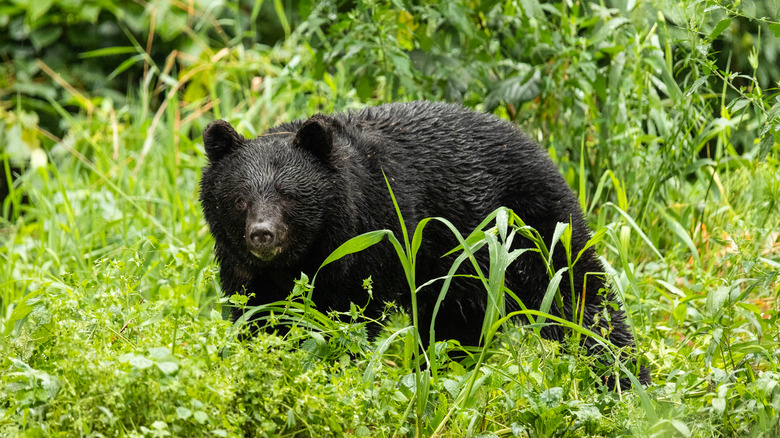
In November 2025, the U.S. Embassy in Tokyo issued a rare travel warning for Japan, a country known for its safety and low crime rates. This alert was specifically directed at Sapporo, a city that once hosted the Winter Olympics, along with other areas of Hokkaido. The warning also extended to parts of northern Japan, including Akita Prefecture, where a bear meat vending machine is located near a bullet train station. The alert followed a bear sighting in Sapporo's Maruyama Park, which is adjacent to the U.S. Consulate General.
This wasn't an isolated incident. Japan has experienced a significant increase in bear attacks in recent years. By mid-November 2025, public broadcaster NHK reported a new record of 220 attacks, surpassing the previous record of 219 set in the 2023 fiscal year. Before this, a bear attacked a man in a public restroom in Numata, and earlier in the month, a bear entered a supermarket in the same city, causing injuries to two customers. In Yamagata and Iwate, bears have even been seen on airport runways, leading to temporary flight halts. These incidents highlight a growing concern for travelers planning outdoor adventures in Japan.
- The rise in bear activity has led to increased awareness and precaution measures.
- Travelers are advised to be vigilant and take necessary steps to avoid dangerous encounters.
- Local authorities and tourism organizations are working to educate visitors about bear safety.
Despite the wildlife alert, the U.S. State Department did not change its assessment of Japan as a low-risk destination. Its Level 1 advisory, which recommends "Exercise normal precautions," remains in effect. However, approximately 75% of Japan's land area consists of mountains, and as rural populations decline, bear populations have grown. In places like Okutama, Tokyo, where you can stay in a cabin reminiscent of a horror film, bears are reclaiming their natural habitat. The U.S. Embassy advises travelers to remain aware of their surroundings and avoid walking alone in areas where bears have been sighted.
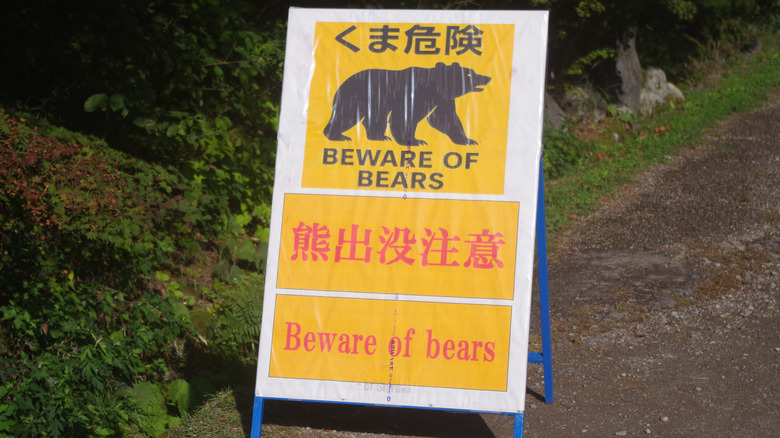
This advice applies to all international visitors. A Spanish tourist learned this firsthand while visiting the UNESCO World Heritage Site of Shirakawa-go. While the village offers a picturesque winter vacation, visitors should be cautious of signs warning "Beware of bears" and vendors selling bear bells. A recent attack occurred near a shuttle bus stop for an observatory overlooking the village’s famous thatched-roof farmhouses. Authorities encouraged visitors to avoid leaving litter that could attract bears.
- Travelers should always check local advisories before heading into the wilderness.
- Bear bells are commonly used to alert bears of human presence.
- Littering should be avoided to prevent attracting wildlife.
Another factor contributing to the surge in bear attacks is the dwindling food supply of acorns and beech nuts, linked to dry summers and potential climate change. During the fall, bears enter a phase called hyperphagia, where they eat excessively to prepare for hibernation. This period coincides with the autumn tourism season, as hikers flock to locations like Nikko. In response, some trails have been closed due to bear activity.
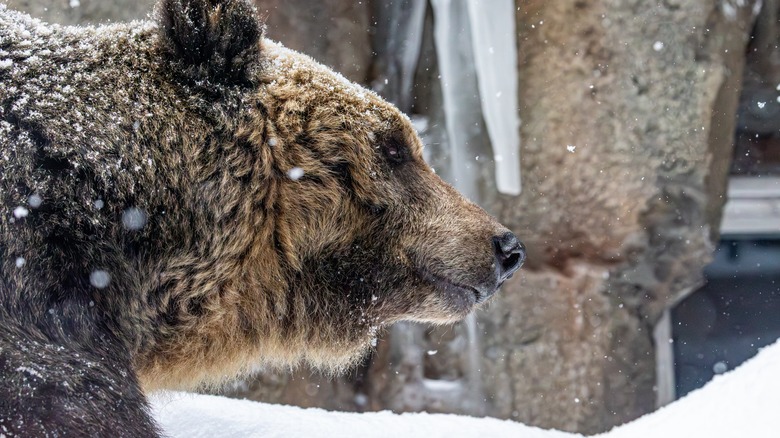
Experts have also noted that some bears are eating meat and not hibernating as usual, appearing as late as December or January. In the United States, the National Park Service distinguishes between brown and black bears, advising different responses when encountering them. Japan is home to around 13,000 Hokkaido brown bears and 50,000 Asiatic black bears, many of which live near populated areas. This is why hikers often wear jingling bear bells, as most bears will avoid humans if they hear them coming.
- Understanding bear behavior is crucial for safe hiking experiences.
- Avoiding sudden movements and remaining calm is essential during an encounter.
- Knowing the direction of the wind can help in using bear spray effectively.
If you do encounter a bear, never turn and run unless you want to be chased. Be mindful of the wind direction when using bear spray. It may also be wise to reconsider your outdoor travel plans. For instance, a visit to Sapporo for its annual snow festival included a nature walk from the Okurayama Ski Jump Stadium to the Hokkaido Shrine in Maruyama Park. However, after the park issued the U.S. Embassy's wildlife alert, this trek is no longer recommended.

Post a Comment for "Essential Guide to Japan's Dangerous Wildlife Before Your Outdoor Trip"
Post a Comment