ESTA Rules, Park Fees, and World Cup Tips: U.S. Travel in 2026
The Decline in US Tourism and New Challenges for Travelers
Tourism to the United States has experienced a significant downturn since the start of President Trump’s second term in January 2025. In August 2025, the number of international arrivals dropped by 8.3% compared to the previous year, which equates to approximately 20,000 people per day avoiding America’s cities, beaches, and natural landscapes.
Even the most prestigious airlines are struggling to fill their economy seats profitably. For instance, a round-trip flight from London Heathrow to Los Angeles on British Airways or Virgin Atlantic can be found for under £500. Similarly, a trip from Manchester to New York JFK is available for under £400.
While domestic demand continues to keep accommodation rates high, areas that typically attract international visitors are offering some attractive package deals. For example, a week-long stay for two at the Balmoral Resort in Orlando in January can be secured for under £1,000, including flights from Heathrow via Virgin Atlantic Holidays.
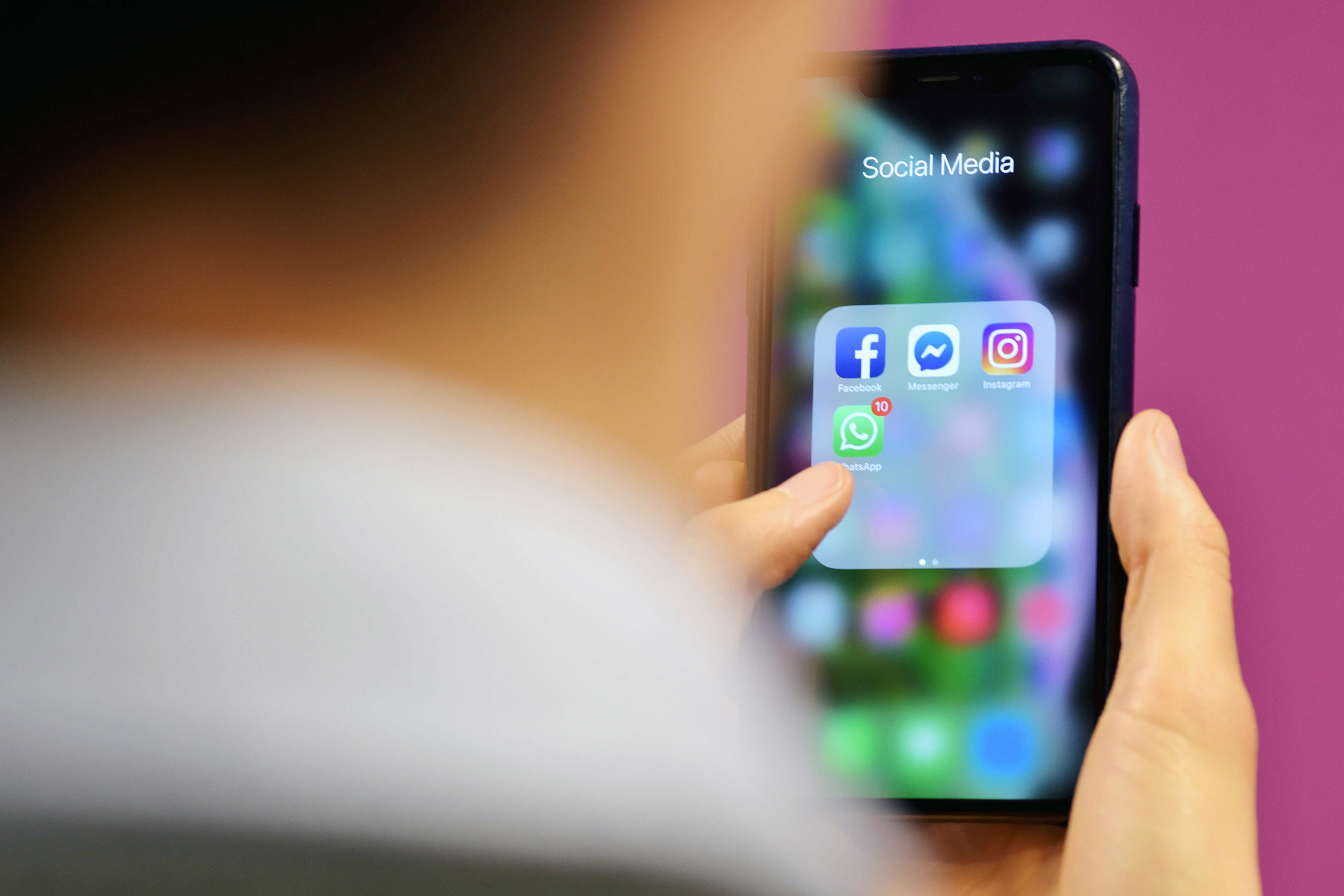
Football fans planning to travel across the Atlantic to support England and Scotland in the World Cup have caused a surge in demand for travel next summer. However, a new twist in the increasingly complex process of entering the US involves the potential requirement for applicants to provide details of their social media activity over the past five years.
This change comes as a response to an executive order from Donald Trump, which mandates that foreigners should be “vetted and screened to the maximum degree possible” upon arrival. The US Customs and Border Protection (CBP) has announced this as a potential new policy, but it is not yet final. A CBP spokesperson stated: “Nothing has changed on this front for those coming to the United States. This is not a final rule, it is simply the first step in starting a discussion to have new policy options to keep the American people safe.”
The Department is continuously reviewing how it vets travelers, especially after the recent terrorist attack in Washington DC against the National Guard just before Thanksgiving. CBP officers may ask to examine your phone and assess your social media activity. Some high-profile deportations of travelers deemed unsuitable for admission have occurred, particularly among LGBT+ individuals and politically active travelers.
Key Questions and Answers
Will I be able to get an Esta without too much trouble?
Probably – and even if you have no immediate plans to visit the US, you should consider enrolling in the Electronic System for Travel Authorization (Esta) as soon as possible to avoid the upcoming requirement to access your social media accounts. The Esta scheme was introduced in 2009 and is usually granted within a few hours. The fee is $40 (£30). An Esta allows you to travel to the US for business or tourism for up to 90 days without a visa. If denied, you will not be told why, as CBP states it cannot disclose the reason due to security and privacy laws.
If granted, an Esta does not guarantee entry. As the Australian government advises its citizens: “You can be refused entry if you provide false information or can’t satisfy the officials you’re visiting for a valid reason.”
What if I have been to Cuba – or another ‘no-go’ nation?
For Cuba, it depends on when you were on the island. After President Trump designated Cuba a “state sponsor of terrorism” on 12 January 2021, anyone who visited the country on or after this date is ineligible for an Esta and must apply for a visa. Similarly, visits to Iran, Iraq, Libya, North Korea, Somalia, Sudan, Syria, or Yemen since March 2011 disqualify you from obtaining an Esta.
Getting a US visa is a long, cumbersome, and expensive process. Some travelers have successfully obtained an Esta by using fresh passports with no evidence of a trip to the island.
Why all the interest in social media?
US CBP states that social media may be used to support or corroborate a traveler’s application information, which helps facilitate legitimate travel by providing an additional means to adjudicate issues related to identity, occupation, previous travel, and other factors. It may also be used to identify potential deception or fraud.
In addition, social media may help distinguish individuals of additional concern, such as those whose political views are at odds with those of the administration in Washington DC.
What if I am a transgender person?
In an executive order, President Trump instructed: “It is the policy of the United States to recognize two sexes, male and female. These sexes are not changeable and are grounded in fundamental and incontrovertible reality.” While it is widely believed that arrivals must have travel documents corresponding to their birth gender, the CBP agency states: “A foreign traveler’s gender as indicated on their passport and their personal beliefs about sexuality do not render a person inadmissible.”
How onerous is the arrival process?
Many people find it slower and more thorough than before. Authorities may ask to see your return ticket or one onward to a country that is not Canada, Mexico, or a Caribbean nation, and demand proof you have enough money to support yourself during your stay.
Will I have my phone examined?
“Officials may ask to inspect your electronic devices, emails, text messages, and social media activity,” the Foreign Office warns. “If you refuse, they can delay or deny your entry.” Last year, there was a one in 10,000 chance of having your social media history examined. That means from every 30 wide-bodied jets arriving from abroad to the US, one passenger will have their social media scrutinized. The proportion has probably increased.
Any hacks to make the experience easier?
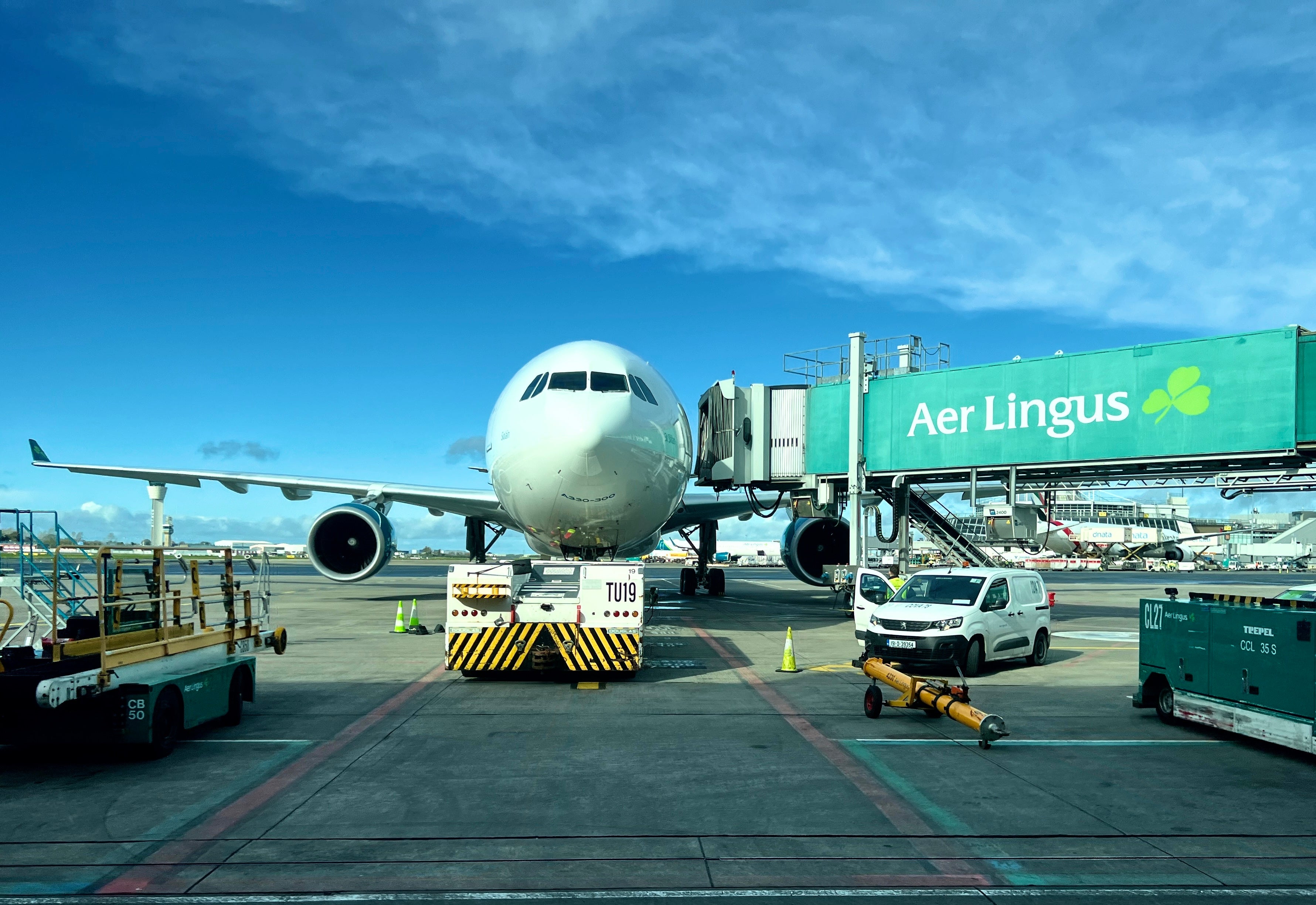
Traveling to the US via Ireland is a good option. At Dublin and Shannon airports, passengers bound for the US are “pre-cleared” by CBP officials. You check in as usual, go through one universal security check and a separate enhanced inspection, and then are examined at what is effectively the US frontier.
How expensive will America be?
With soft demand, transatlantic airfares are likely to be comfortably low away from the World Cup. Wait for seat sales to secure a bargain, such as the £600 return on British Airways from London to Denver I paid for a trip in July. Accommodation, though, is likely expensive. For example, at the midrange Paris Las Vegas, a three-night stay over a quiet weekend in early February with “room type assigned on arrival,” the price (even after a “$300 online discount”) is almost £700. Part of this is the $55 (£41) per night “resort fee,” covering wifi, access to the gym, and local phone calls.
What about the World Cup?
Whether or not you are attending the festival of men’s football being staged jointly in the US, Canada, and Mexico, there will be an impact on airfares in June and July. With millions of fans flooding in from across the globe to support their teams, airfares will be inflated, and accommodation in the host cities will be at a premium. If you are not planning to follow the football, the spell from 11 June to 19 July is probably best avoided.
Anything else new for 2026?
Yes: a $100 (£75) per person surcharge will be applied for foreign visitors to the 11 most popular US National Parks from 1 January 2026. This “foreigner fee” is charged on top of the normal admission fee of typically $35 per car. The workaround is to pay $80 (£60) before the end of this year for an annual America the Beautiful National Park pass.

Post a Comment for "ESTA Rules, Park Fees, and World Cup Tips: U.S. Travel in 2026"
Post a Comment