Hike Through a 900-Year-Old Village in the U.S.
Exploring the Ancient Legacy of Bandelier National Monument
In the United States, our history often feels relatively young compared to that of Europe. However, the land we inhabit is far older than many realize, and it holds countless remnants of ancient civilizations. For city dwellers, these connections can be easy to overlook, but places like New Mexico’s Bandelier National Monument offer a powerful reminder of the deep roots of Indigenous cultures.
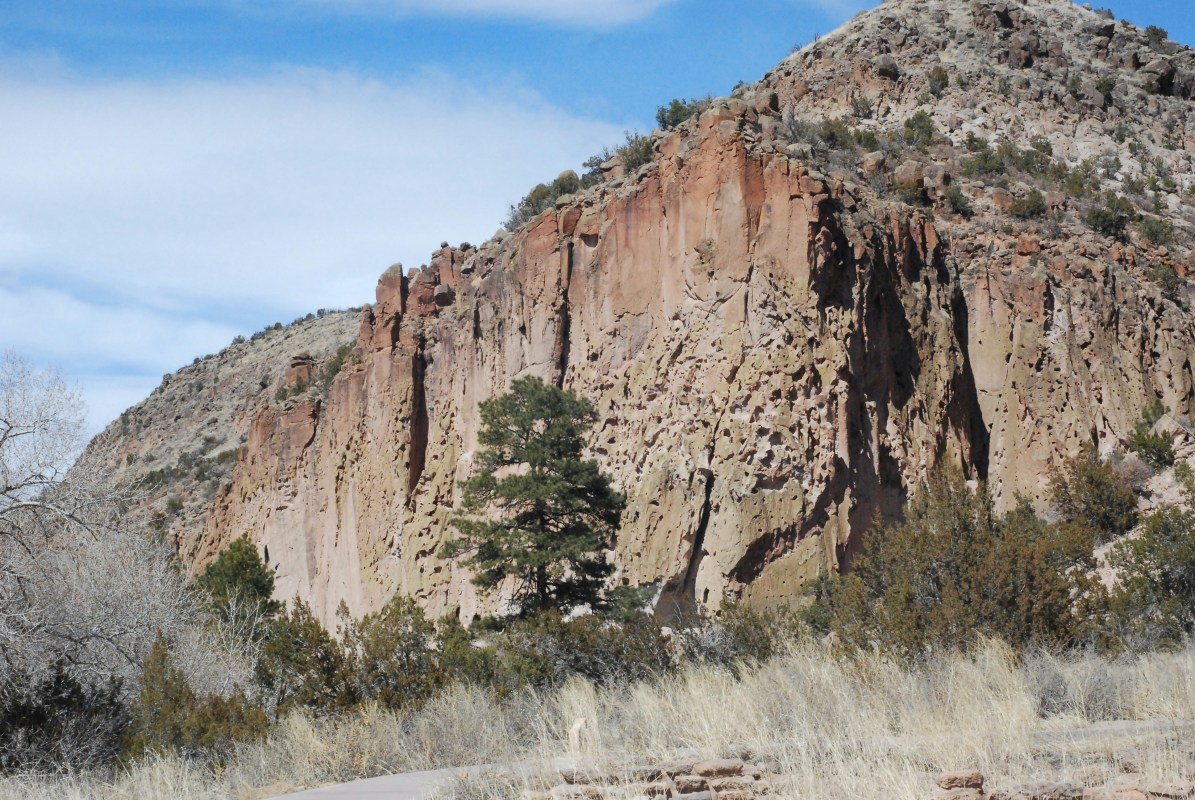
Bandelier National Monument is one of the most visually striking and historically significant sites in the U.S. Spanning 33,000 acres of canyon and mesa country, it showcases the work of the Ancestral Puebloans, who lived here from approximately 1150 CE to 1550 CE. These early inhabitants built homes from volcanic tuff, cultivated crops, and established thriving communities. Although they were eventually forced to relocate due to droughts, their legacy remains visible in the ruins scattered throughout the landscape.
What Travelers Can Expect
Visitors to Bandelier are in for a unique experience, with opportunities to explore cliff dwellings, petroglyphs, and ancient archaeological sites. The monument is particularly known for its Ancestral Puebloan cliff dwellings, which are accessible via short wooden ladders. These ladders allow adventurous travelers to climb into cavates—hand-carved alcoves in the volcanic tuff—for an intimate view of life in this ancient civilization.
Some highlights include:
- Easy-to-climb wooden ladders
- Dark, cool interior cave rooms
- Petroglyphs visible along canyon walls
- Excellent interpretive signage along the trail
The upper trails also offer breathtaking views of New Mexico’s landscapes and mountain vistas, making the journey as rewarding as the destination.
Hiking Through History
The trails at Bandelier are not overly strenuous, but they are steeped in history. The Pueblo Route Trail takes hikers through various archaeological sites and typically takes between 45 minutes to an hour to complete. Along the way, visitors can see:
- Big Kiva: A communal meeting place that once had a large roof.
- Talus House: A 1920s reconstruction of homes built into the cavates.
- Long House: Ruins of multi-story homes along the base of the cliff, where hundreds of petroglyphs depicting various subjects can be spotted.
- Tyuonyi: The ruins of a former two-story village and food storage area that once contained more than 400 rooms.
Another popular trail is the Falls Trail, which leads to a beautiful waterfall. While this route is moderately challenging, it offers a rewarding reward for those who make the trek.
Tips for Visiting Bandelier National Monument
There are several things to keep in mind when exploring this stunning area. Wildlife is abundant, with mule deer commonly seen grazing. Visitors should also be aware of coyotes in the region.
Peak season runs from mid-May through mid-October, during which time a mandatory shuttle from the White Rock Visitor Center is required due to limited parking inside the monument. Weather can change rapidly, with afternoons often being sweltering under the sun and evenings turning cool and crisp. Winter snow and sudden summer thunderstorms are also possible.
A Lasting Experience
Bandelier National Monument offers an unforgettable experience for travelers, blending natural beauty, Indigenous history, and accessible trails suitable for hikers of all levels. Whether you're interested in archaeology, nature, or simply looking for a peaceful escape, this site provides a unique connection to the past and the enduring spirit of the land.

Post a Comment for "Hike Through a 900-Year-Old Village in the U.S."
Post a Comment