How to Find Free Camping in America's Stunning National Forests
Understanding Free Camping in US National Forests
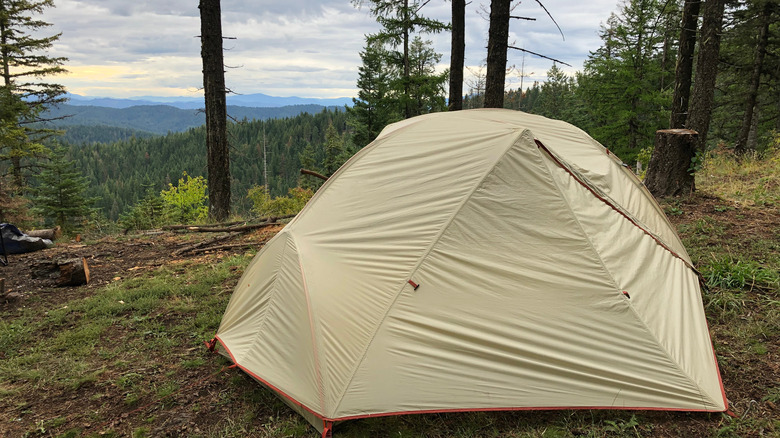
When planning an outdoor adventure, many people assume that finding a campsite requires a reservation and payment. However, there are numerous breathtaking locations across the United States where you can set up camp for free. These spots are often found within the 154 national forests, which provide opportunities for dispersed camping. While these areas do not offer the amenities of developed campsites, they allow for a more natural and immersive experience in the wilderness.
Dispersed camping, also known as primitive or backcountry camping, involves setting up camp in undeveloped areas. This type of camping is ideal for those seeking solitude and a deeper connection with nature. It is important to note that while most national forests offer free camping options, some may require permits or have specific restrictions. Therefore, it's crucial to research each forest before heading out.
What to Expect from Free Camping
Free camping in national forests typically means no hookups, no restrooms, and no electricity. For tent campers, this means bringing all necessary supplies, including water and food. RVers who choose to camp in these areas should be prepared for dry camping, which involves boondocking without any utilities. This form of camping can be cost-effective but requires careful planning and preparation.
Even though some sites may not need reservations, it’s still wise to check ahead for any potential restrictions or seasonal changes. Some national forests might have designated trailside or primitive campsites that are available on a first-come, first-served basis. Being aware of these details can help ensure a smooth and enjoyable camping experience.
Tools to Locate Free Campsites
Finding free campsites in national forests starts with using the internet. Each national forest has its own website that lists primitive camping options, along with any fees or permits required. These websites usually include maps that highlight areas where camping is allowed and outline the rules and regulations for each forest.
In addition to online resources, physical maps can be incredibly useful. For example, the Pisgah National Forest Map Pack Bundle by National Geographic provides detailed information about trails, rivers, and elevation contours. These maps can help you identify potential camping spots before arriving at the forest.
There are also several apps that can aid in locating free campsites. Applications like Free Campsites, Google Maps, iOverlander, and OnX Offroad are valuable tools for identifying access routes and potential camping locations. It's recommended to download any necessary information beforehand, as cell service can be unreliable in remote areas.
Responsibilities of Dispersed Campers
While the freedom of dispersed camping is appealing, it comes with a responsibility to protect the environment. Dispersed camping is meant to be sustainable, with minimal impact on the natural surroundings. Campers should follow the Leave No Trace principles, which emphasize leaving the area as you found it.
This includes packing in all supplies and packing out all trash. It’s essential to bring enough water and to carry it out with you. For RVers, ensuring that grey and black water tanks are empty at the start of the trip is crucial. Carrying a tank tote for extra sewage capacity can be helpful on longer trips.
Campers are also encouraged to use previously used sites to minimize their environmental impact. Following local regulations regarding campfires and the duration of stay is equally important. By adhering to these guidelines, campers can help preserve the beauty and integrity of national forests for future generations.

Post a Comment for "How to Find Free Camping in America's Stunning National Forests"
Post a Comment