Map of Countries Affected by New US Social Media Checks for Tourists
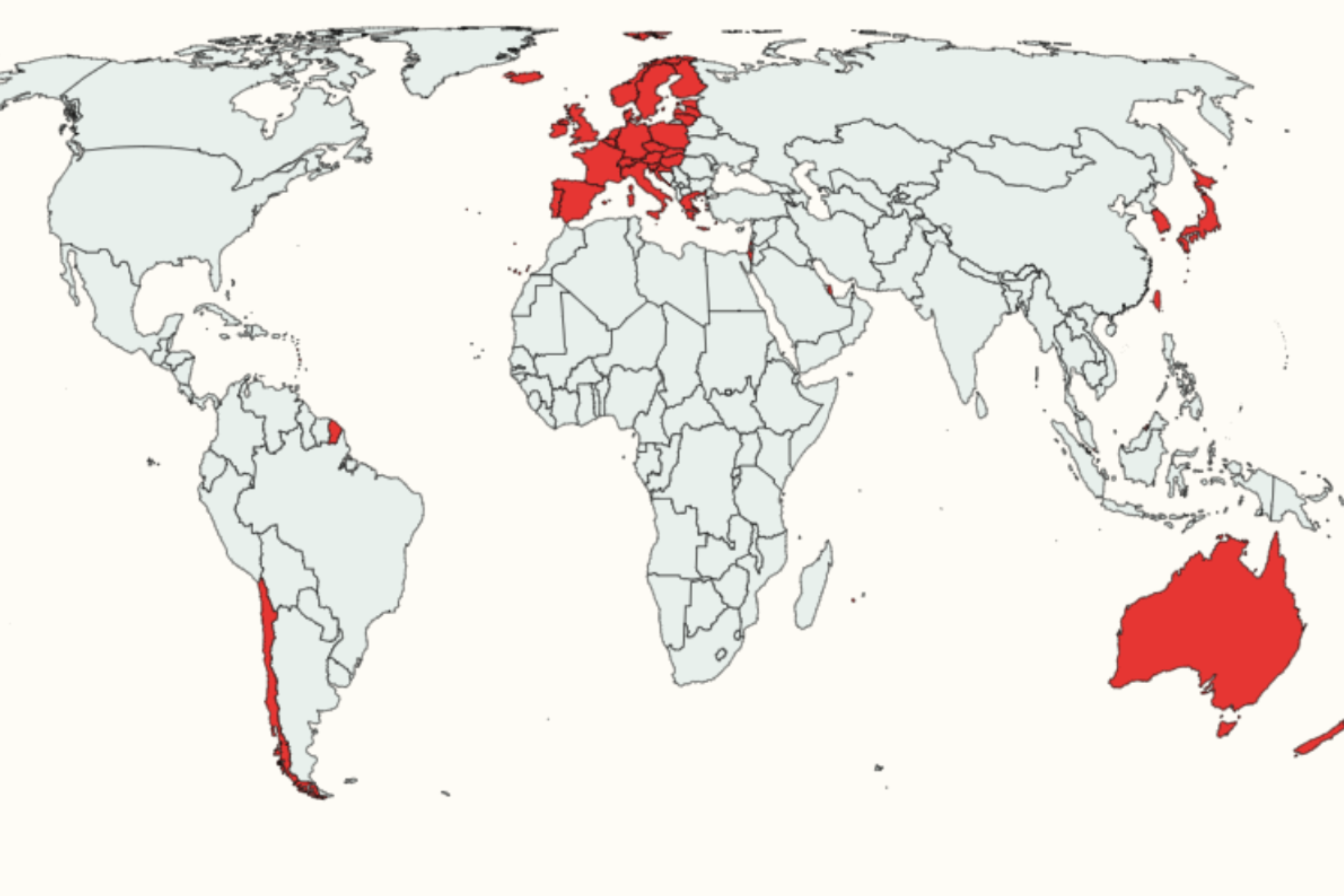
President Donald Trump's proposal to require foreign tourists to disclose up to five years of their social media history before entering the United States has sparked significant debate and concern. This new policy would affect travelers from numerous countries, particularly those seeking entry through the Electronic System for Travel Authorization (ESTA) rather than a traditional visa.
The ESTA program is available to nationals or citizens of countries participating in the Visa Waiver Program (VWP). Currently, there are 42 such countries, including nations like Australia, Canada, Japan, Germany, and many others. If implemented, this rule would impact all of these countries, as their citizens would be required to provide detailed social media information upon entry.
Why It Matters
Since the start of Trump’s second term, his administration has introduced several policies aimed at tightening immigration controls and enhancing border security. These measures have not only affected immigrants but also foreign travelers. Recently, some countries issued travel warnings due to reports of tourists being detained upon arrival in the U.S., even when they had the proper documentation.
Another notable policy change involves the recognition of only two sexes—male and female—by the government, which has raised concerns among transgender travelers. Some countries have advised individuals with non-binary gender designations to seek guidance before traveling to the U.S.
What To Know
The proposal, outlined in a U.S. Customs and Border Protection notice published on the Federal Register on December 10, includes more than just social media data. Foreign tourists would also need to provide information about family members, such as names, dates of birth, and places of residence. Additionally, the agency plans to collect previously used telephone numbers from the last five years, email addresses from the last ten years, IP addresses, and metadata from electronically submitted photos.
This initiative comes at a time when the U.S. is set to co-host the 2026 World Cup. With an estimated 7 million attendees expected, the administration may be scrutinizing the social media histories of international football fans. Reports indicate that over 1 million tickets have already been purchased by fans from 212 countries, many of whom could be affected by this policy.
Experts' Perspectives
Geiguen Shin, a professor at Rutgers University, highlighted the potential implications of this policy. While the government has a legitimate interest in vetting travelers who might pose a threat, social media data can be complex to interpret. It often contains irony, cultural nuance, and political context that may be difficult to analyze accurately.
Shin also pointed out that broad-based screening could lead to false positives and increase administrative burdens. Furthermore, individuals intent on concealing risks may adapt their online behavior accordingly.
Margaret Hu, a law professor at William & Mary Law School, expressed concerns about the constitutional impact of social media surveillance. She warned that such practices could create a form of "second-class citizenship" and potentially lead to a social credit system similar to a financial credit system. Hu also raised questions about what happens to collected data once a foreigner becomes a U.S. citizen.
What People Are Saying
Hu emphasized the need to consider the broader implications of collecting social media data. She questioned who would store this data, who would have access to it, and whether it could be hacked or misused. She also highlighted the importance of understanding how this data could affect both foreigners and U.S. citizens.
Shin added that the policy could have practical consequences beyond security. It might introduce additional steps in the travel process, potentially deterring travelers from visa-waiver countries and affecting the U.S. tourism sector, higher education, and cultural exchange. He also noted that the policy could strain relations with close allies and invite reciprocal measures against U.S. travelers abroad.
What Happens Next
The Federal Register notice allows the U.S. public 60 days to submit comments on the proposal. This period offers an opportunity for stakeholders to voice their opinions and concerns regarding the policy's implementation and potential impacts.
Related Articles
- Trump's Gold Card Visa Application Form Launches: Here's What It Asks
- California Green-Card Applicant Detained by ICE at Appointment
- Americans Searching for Bankruptcy Lawyer Hits All-Time High
- Start your unlimited HAWXTECH.NET trial

Post a Comment for "Map of Countries Affected by New US Social Media Checks for Tourists"
Post a Comment