National Park Abandons Controversial Reservations, Introduces New Parking Rules
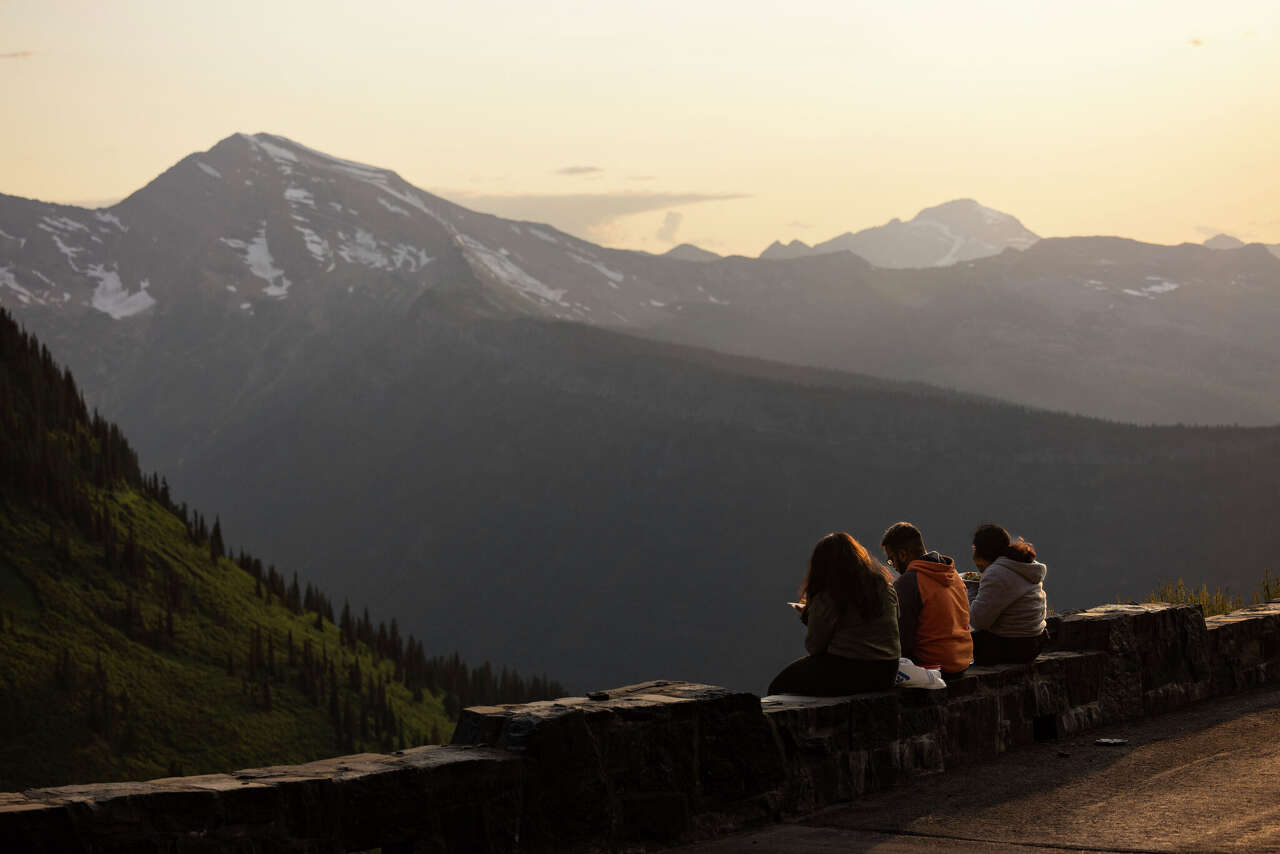
A New Era for Glacier National Park
For the first time in five summers, visitors to Glacier National Park will likely be able to drive the park's most popular thoroughfare—the Going-to-the-Sun Road—without a vehicle reservation in 2026. This change was announced by Superintendent Dave Roemer during a meeting with the Columbia Falls Chamber of Commerce on December 9. While the new traffic plan still needs approval from park officials, it marks a significant shift in how the park manages visitor access.
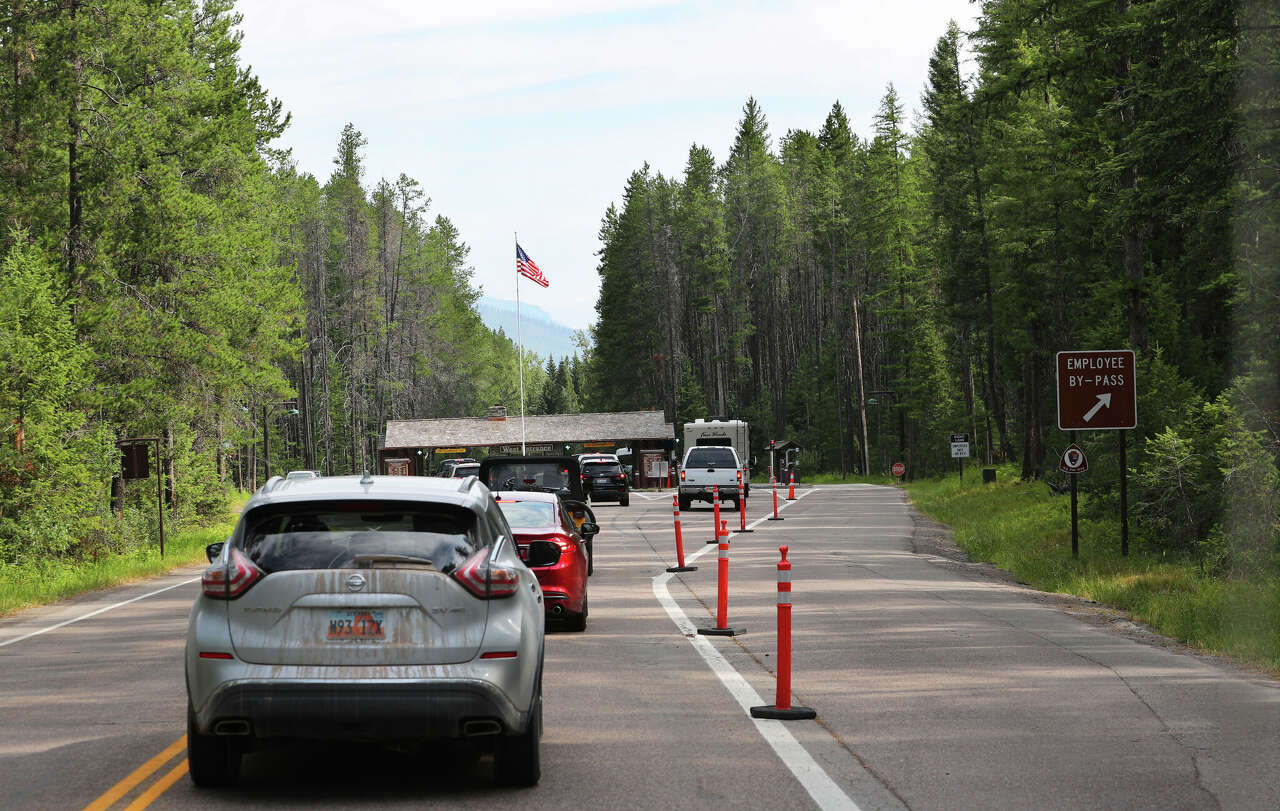
The park initially introduced a reservation system for cars entering through the west entrance in 2021. This was done after vehicles waiting to enter the park caused traffic jams and safety concerns on nearby Highway 2. Under the old system, visitors arriving between 7 a.m. and 3 p.m. during busy summer months had to purchase timed-entry vehicle reservations, which were available in advance on a rolling basis at Recreation.gov. However, securing these passes proved challenging, leading to frustration among locals and tourists alike.
Some visitors found workarounds by arriving before the entry requirements began. This involved driving into the park early in the morning, sometimes even camping outside the park and getting up before dawn. While this approach allowed some to bypass the reservation system, it created additional challenges for the park. Hundreds of cars entered the park before 7 a.m. during peak summer months, raising concerns about safety and wildlife.
"We don't think that people driving in the dark to get to Logan Pass is good for the park or good for the visitor," Roemer said during the meeting. "There's wildlife on the road in those hours, and we don't feel that you should have to get up at 4:30 in the morning to enjoy your day in the park."
Changes at Logan Pass
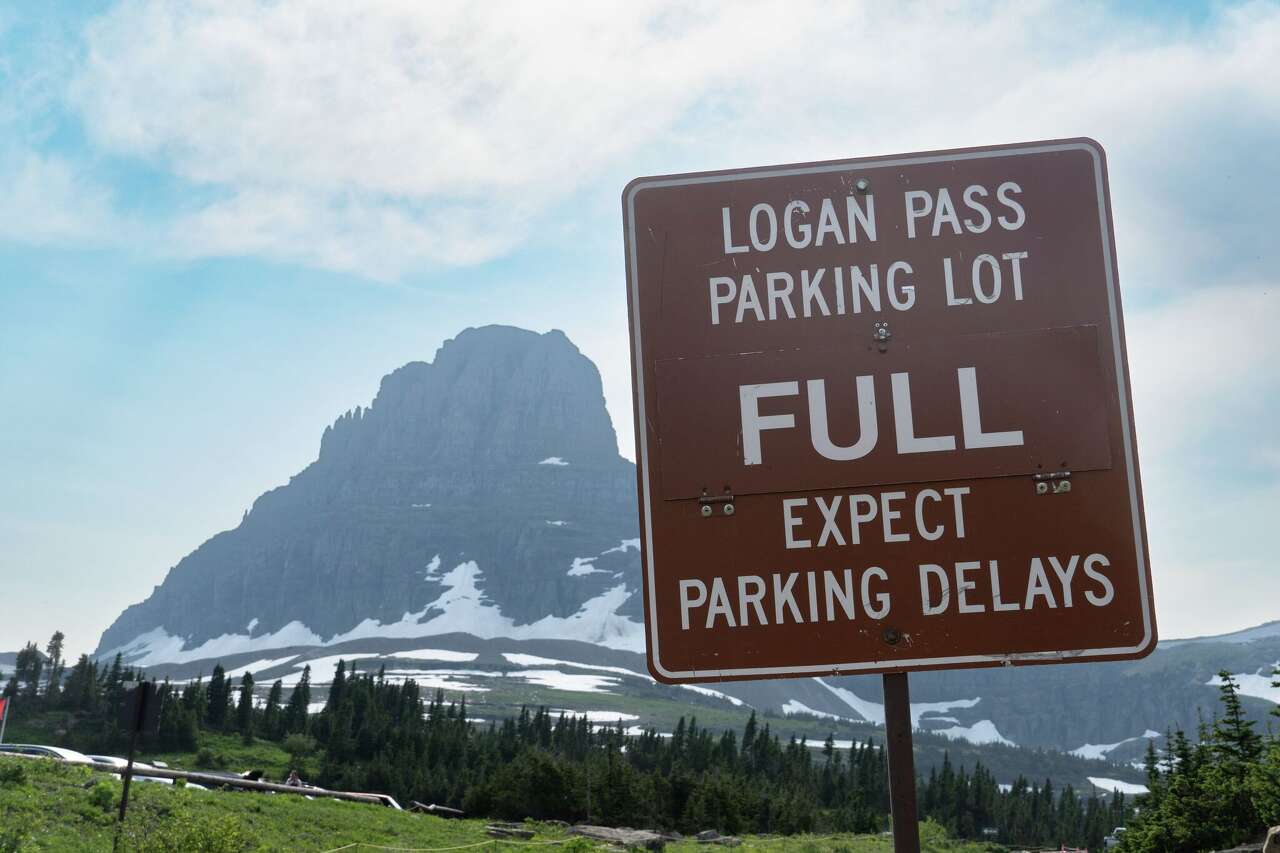
Visitors to Logan Pass, the park's highest parking lot and the best place to park for trails like the Highline Trail and the Hidden Lake Trail, would face new restrictions under the proposed plan. Roemer mentioned that the park would implement a three-hour limit on parking to encourage vehicle turnover throughout the day. This limit mirrors the vehicle turnover seen at other busy parking lots in the park.
However, it's unclear how officials plan to enforce these regulations. Towing cars down the long, winding pass is unlikely, and it's uncertain if visitors would receive fines or tickets. The federal government is currently experiencing an extended hiring freeze, and as of June, the National Park Service had lost 24% of its staff. This raises questions about whether new enforcement positions will be created or funded to manage the time limits.
The three-hour limit isn't sufficient for hikers wanting to explore the nearly 15-mile Highline Trail, known for its dramatic drop-offs and breathtaking mountain views. Hikers may need to take the Logan Pass express shuttle instead of using their personal vehicles. The shuttle would begin running at 6 a.m. and require reservations, marking a shift from the previously reservation-free system.
Mixed Reactions from Visitors
Social media responses to the proposed changes have been mixed. Some visitors welcomed the end of vehicle reservations for the Going-to-the-Sun Road, while others expressed concern about the new regulations at Logan Pass. Many worried that the parking time limit would be ignored, and hikers were anxious about losing access to the Highline Trail.
Additional Information on National Parks
- Trump's face on new national park passes outrages conservationists
- Yellowstone visitors stunned as man seemingly provokes wolf pack
- Reconsider travel to Glacier National Park, travel experts say
- New wolf pack found in California as numbers continue to rise
We love national parks just as much as you do, so we have a newsletter that covers them from top to bottom. Sign up here.
Subscribe
Sign up for The Daily, HAWXTECH.NET's free newsletter bringing you the best of the Bay Area.

Post a Comment for "National Park Abandons Controversial Reservations, Introduces New Parking Rules"
Post a Comment