Southern California Mountain Lions Seek Threatened Protection
The Need for Protection
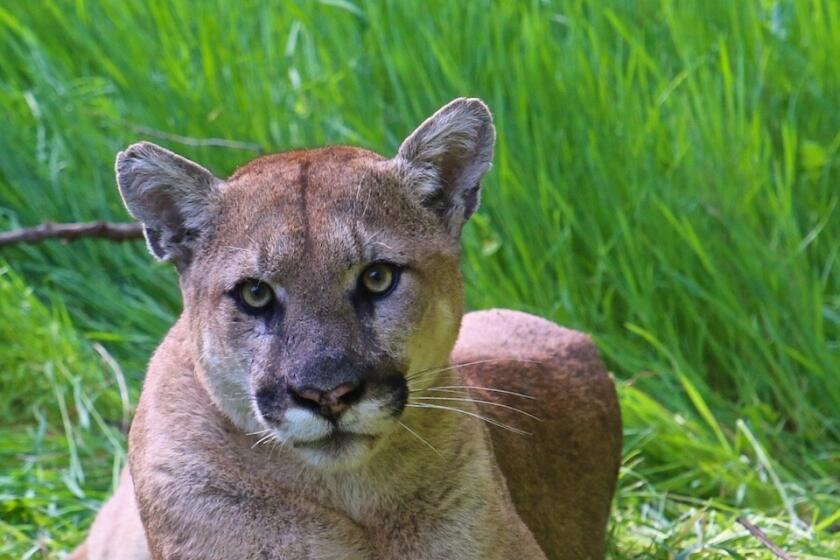
The California Department of Fish and Wildlife has taken a significant step toward protecting mountain lions by recommending that approximately 1,400 of them in the Central Coast and Southern California be classified as a threatened species. This recommendation highlights the severe challenges these animals face, including threats from freeways, rat poison, and wildfires.
While this decision is not yet final, it marks an important milestone in the potential listing of several mountain lion clans under the California Endangered Species Act. Supporters argue that this move could offer these vulnerable animals a chance to recover, while critics worry it may complicate efforts to manage lions that pose risks to people and livestock.
Charlton Bonham, director of the state wildlife department, called the recommendation "long overdue" during a meeting with the California Fish and Game Commission. The proposal comes nearly six years after the Center for Biological Diversity and Mountain Lion Foundation first petitioned the commission to consider listing several isolated lion populations that have seen sharp declines due to vehicle collisions, rodenticide poisoning, and habitat loss.
In 2020, the commission found the request potentially valid, granting temporary endangered species protections to the lions as "candidates" for formal listing. This led to the creation of a report to guide the commission's final decision.
Next Steps and Potential Impact
The next phase involves the state wildlife commissioners voting on the recommendation, which could happen as early as February. Brendan Cummings, conservation director for the Center for Biological Diversity, sees this as a positive development, stating it is "a good day, not just for mountain lions, but for Californians."
If the recommendation is adopted, it would mean the final listing of the species, removing any ambiguity about the state’s commitment to their conservation and recovery. The report suggests listing lions in areas that align with the original petition, covering regions such as the Santa Ana, San Gabriel, San Bernardino, Santa Monica, Santa Cruz, and Tehachapi mountains. It excludes some smaller areas along the northern and eastern borders, such as agricultural lands in the Bay Area and parts of the desert, where lions have not been documented.
Genetic Challenges and Conservation Efforts
The report also notes that many of the proposed lion groups are struggling with limited genetic diversity due to urban barriers preventing them from interacting with other populations. In Southern California, this lack of gene flow has led to deformities like kinked tails and malformed sperm. Research indicates a nearly 25% chance that mountain lions could become extinct in the Santa Monica and Santa Ana mountains within the next 50 years.
P-22, a well-known mountain lion who lived in Griffith Park, symbolized the challenges faced by his kind. He suffered from rat poison and car collisions, eventually being euthanized in late 2022 due to illness and injury.
For many species, protection might involve halting logging or construction, but for mountain lions, it requires creating connections between habitats through wildlife crossings. One such project is the large crossing being built over the 101 Freeway in Agoura Hills. Cummings emphasizes that developments that could hinder lion movement should be more carefully evaluated.
Criticisms and Concerns
Despite the support for the recommendation, some critics argue that listing the lion populations could slow down residential and commercial projects. However, not all mountain lions in California are equally affected. The state is home to roughly 4,170 mountain lions, but many populations, especially in the northwest coastal forests, are thriving and healthy.
Protection is not sought for all of them. Some even advocate for reducing their numbers due to conflicts with humans. Bonham addressed concerns about public safety at the recent meeting, referencing the tragic death of a young man mauled by a cougar in Northern California last year.
"These are really delicate issues, and the conversation I know in the coming years is going to have to grapple with all that," said Bonham, who will be stepping down after nearly 15 years in his role.
Current Protections and Future Outlook
California’s mountain lions already have some level of protection. In 1990, voters approved a measure designating them as a "specially protected species" and banning sport hunting. As the debate continues, the future of these iconic animals remains uncertain, but the recent recommendation represents a critical step forward in their conservation.

Post a Comment for "Southern California Mountain Lions Seek Threatened Protection"
Post a Comment