The Cost of a Perfect Shot: How AI and Edited Travel Photos Distort Reality
The Evolving Perception of Travel Imagery
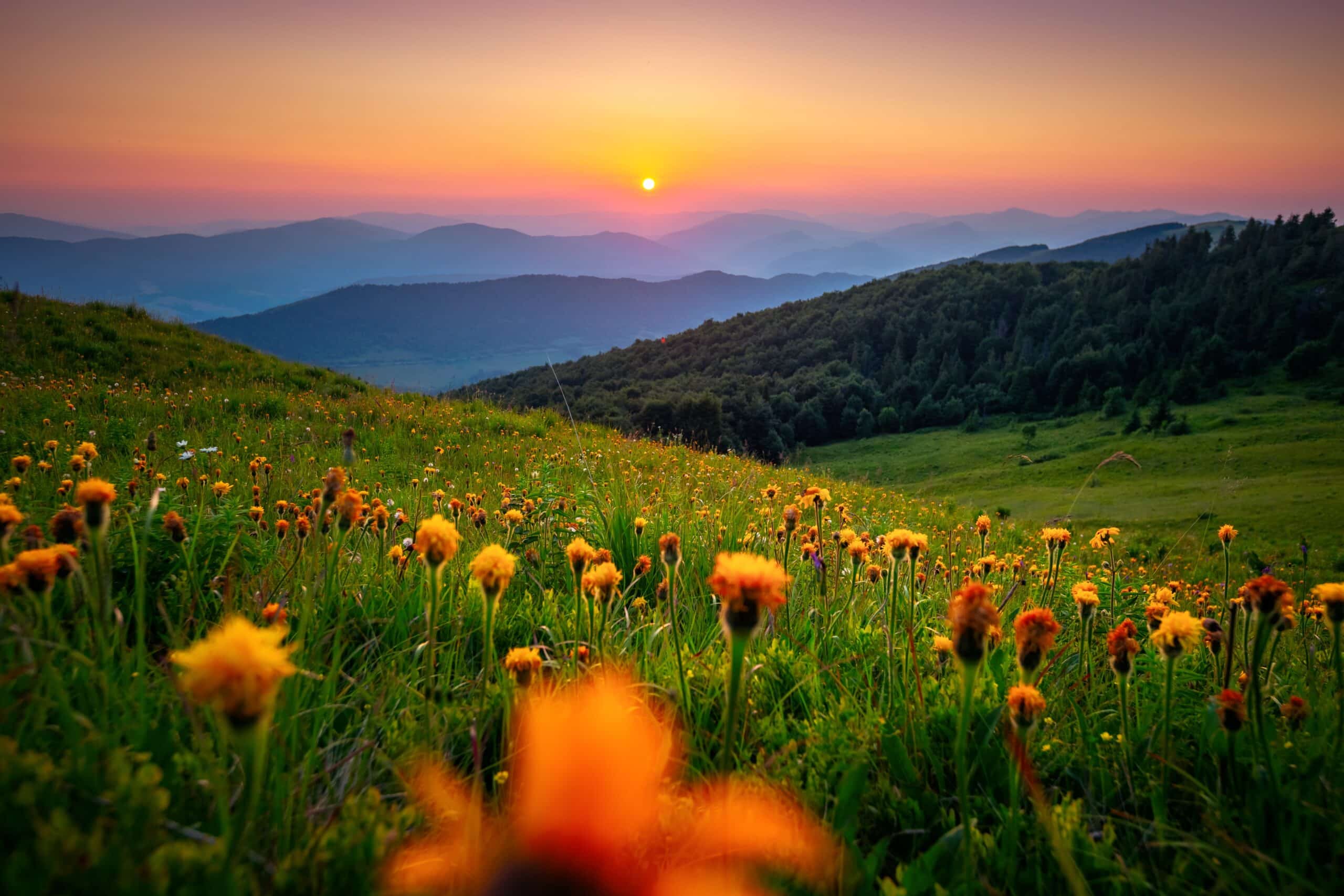
For decades, the allure of travel has been closely tied to visual storytelling. From beautifully crafted brochures to captivating Instagram reels, images have played a crucial role in inspiring people to explore new destinations. However, by 2025, this long-standing relationship is beginning to unravel.
A recent survey conducted by Full Frame Insurance, which included responses from 1,000 Americans, highlights a growing concern among travelers: the images that entice them to book trips often do not reflect reality. Nearly 40% of respondents admitted they had been misled by travel photos, and one in ten decided to cut their trips short when the actual experience didn’t match the visuals.
At first glance, these experiences might seem like minor disappointments. But with the rise of AI-generated content capable of creating hyper-realistic scenes that never existed, the implications are far more significant. If we can no longer trust what we see online when planning a trip, what else are we willing to believe in?
The Fragile Currency of Trust
The survey also revealed that 83% of Americans feel anxious about AI-altered travel photos, questioning whether what they see online is genuine. This anxiety is particularly pronounced among Gen Z, who have grown up relying on digital screens for most of their travel planning. Two out of five Gen Z respondents said their chosen destination felt more dangerous than the photos suggested.
Financially, the consequences can be severe. Nearly three-quarters of Gen Z travelers reported losing money when a destination failed to meet the expectations set by its images. Misleading visuals can distort expectations, drain wallets, and, in some cases, put travelers at risk.
Jon Dulin, a personal finance expert at Money Smart Guides, emphasized the importance of due diligence before booking. “Travelers should verify information and ensure they’re using reputable platforms,” he advised. “Using a credit card, especially a travel rewards card, can provide additional protection. And if something seems too good to be true—especially when it includes promises of freebies—it’s usually a red flag.”
When Every Image Becomes Suspect
As skepticism becomes the norm, many travelers are turning to unpolished, user-generated content to find the "truth" behind the glossy photos. Nearly two-thirds of Americans now look beyond the polished images to uncover what's real before making a booking. Additionally, 83% worry that AI will make it increasingly difficult to distinguish between fantasy and reality.
Alexandrea Sumuel Groves, founder of Wander Worthy, shared some tips for identifying manipulated travel photos. “Look for inconsistencies such as shadows that don’t align, skies that appear unnaturally smooth, or blurred edges around people. Cross-checking a destination on multiple platforms with user-generated content is one of the easiest ways to confirm authenticity.”
This growing unease goes beyond just travel. If AI can so easily distort our most trusted sense—sight—what happens to a society that no longer knows whether to believe its own eyes?
Beyond the Filter
The survey clearly shows what people now value: honesty. Eighty-two percent of Americans prefer realistic travel photos, even if they include elements like construction zones, crowds, or bad weather. The curated dream is losing its appeal, and authenticity is becoming a form of consumer protection.
However, the question remains whether the travel industry and the algorithms driving it will prioritize truth over aesthetics. In the pursuit of likes, bookings, and viral moments, there is little incentive to showcase the messy reality.
The Warning in the Data
The danger isn't just about taking a bad vacation. It's about normalizing a world where illusions are more persuasive than facts. What appears safe, beautiful, or desirable online may hide the opposite in reality. Travel could serve as an early warning sign—if we can't trust the photos that sell us paradise, how will we trust the images that shape politics, news, or identity?
While the survey ends with numbers, the story is much larger. It's about truth. If we allow AI and manipulated imagery to redefine reality without question, the next disappointment won't be a wasted trip. It will be a society that can no longer tell the difference between what’s real and what’s not.

Post a Comment for "The Cost of a Perfect Shot: How AI and Edited Travel Photos Distort Reality"
Post a Comment