The Smart Travel Hack to Save Hundreds on Big Purchases
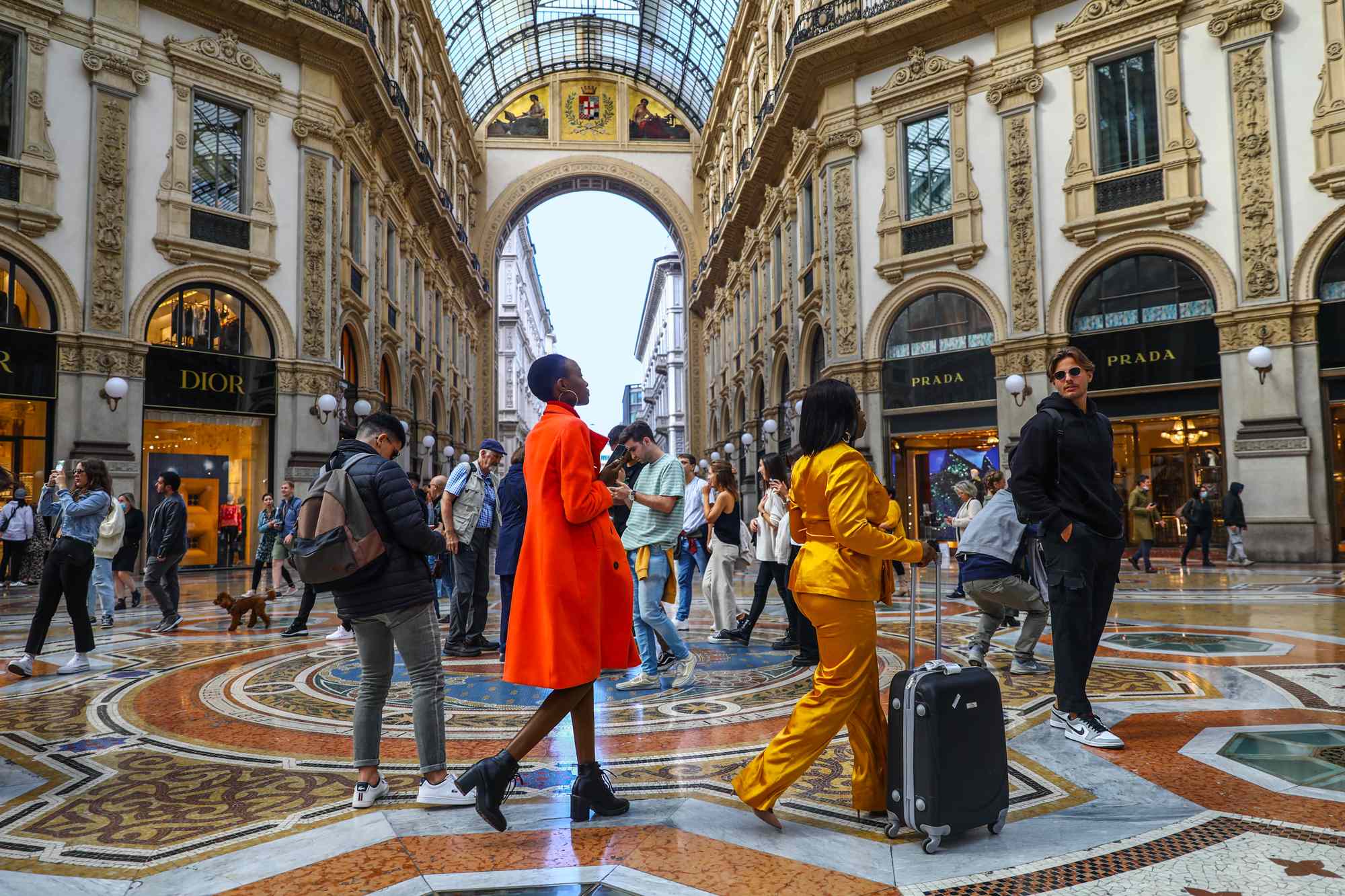
The Rise of Market Hacking: Travelers Saving Big by Shopping Abroad
For savvy travelers, the key to maximizing their vacation budgets lies in exploring international shopping opportunities. By taking advantage of price differences across borders, many are discovering that they can save thousands while enjoying a unique travel experience.
Jacquelyn Berney, a marketing executive from Oklahoma City, is one such traveler. A fan of luxury brands like Dior, Gucci, Hermès, and Louis Vuitton, she recently calculated the cost of her handbag habit and realized she could save up to four figures by shopping in Europe. Not only did this strategy allow her to save money, but it also earned her valuable credit-card points that she could later use for future trips. Last fall, she returned from Spain with a new Gucci Jackie bag, having saved around $600 on the purchase. “Whenever I carry it, I remember being on the streets of Madrid,” she says.
This approach, known as “market hacking,” is gaining popularity among travelers. Defined by T+L Travel Advisory Board member Jack Ezon as traveling across borders to take advantage of price disparities, market hacking has become a trend that extends beyond just fashion. It now includes everything from concert tickets to high-end sporting events and even ski resorts.
The demand for shopping-specific trips to European cities such as Milan, Paris, and Rome has increased significantly. According to Ezon, inquiries at his agency, Embark Beyond, have risen by 44 percent. He attributes this surge to several factors, including favorable exchange rates, automatic VAT refunds that can be as high as 20 percent, and the potential impact of tariffs that could make luxury goods more expensive in the U.S.
Paris-based Leah Walker, CEO and cofounder of Garnier Creations, confirms the growing interest in shopping-focused travel. Her company specializes in arranging private shopping experiences at boutiques and department stores such as Le Bon Marché and Samaritaine. “Since April, I’ve received multiple requests per week, mostly from Americans,” she says. “It’s a good deal to come here if you plan to do a lot of shopping.”
While Europe remains the most popular destination for market hackers, other regions are also offering attractive deals. Japan, for instance, has seen the yen drop nearly 30 percent against the dollar since mid-2020. As a result, travelers are not only saving money but also spending more on items like watches and jewelry. Research conducted by the Japan Tourism Agency highlights this shift in consumer behavior.
Skiing enthusiasts are also benefiting from price differentials. High-end U.S. ski resorts can cost up to $329 per day for lift tickets, especially if purchased last minute. In contrast, skiers can find last-minute passes in Niseko, Japan, or Zermatt, Switzerland, for under $100 a day. Additionally, lodging and meals on the slopes are often more affordable in these destinations.
Dan Sherman, chief marketing officer of Ski.com, notes that travelers are increasingly frustrated with rising prices in the U.S. and are seeking alternatives that offer a fresh experience. This sentiment has led to a 33 percent increase in bookings for European ski trips on Ski.com compared to the previous year.
As the trend of market hacking continues to grow, it's clear that travelers are finding creative ways to stretch their budgets while enjoying the thrill of shopping in new places. Whether it's through luxury fashion, concerts, or winter sports, the opportunity to save money while exploring the world is proving to be an appealing proposition for many.

Post a Comment for "The Smart Travel Hack to Save Hundreds on Big Purchases"
Post a Comment