Travel Alert for U.S. Tourists as Deadly Tropical Virus Spreads Faster
Chikungunya Outbreaks in Asia and Global Implications
Two Asian countries, Bangladesh and Sri Lanka, are currently facing significant outbreaks of the chikungunya virus, a mosquito-borne illness that has raised concerns among public health officials. The virus, which had previously prompted strict measures during the COVID-19 pandemic in China, has now led to official warnings from the U.S. government.
The Centers for Disease Control and Prevention (CDC) has issued Level 2 travel advisories for both Bangladesh and Sri Lanka, urging American travelers to take “enhanced precautions” when visiting these regions. According to the agency, all international travelers should ensure they are vaccinated against chikungunya before departing the United States.
In Bangladesh, public health authorities have reported approximately 4,000 confirmed cases of chikungunya nationwide. This includes over 785 cases detected this year in Dhaka, the capital, marking the highest number recorded since a major outbreak in 2017. In Chittagong, a port city, 30 new cases were reported in a single day, bringing the city’s total to more than 3,000 infections.
Similarly, Sri Lanka has documented at least 170 confirmed chikungunya cases across Colombo, Gampaha, and Kandy this year. The situation in Sri Lanka has seen a steady rise in cases, peaking in June and marking the country’s first outbreak since 2016.
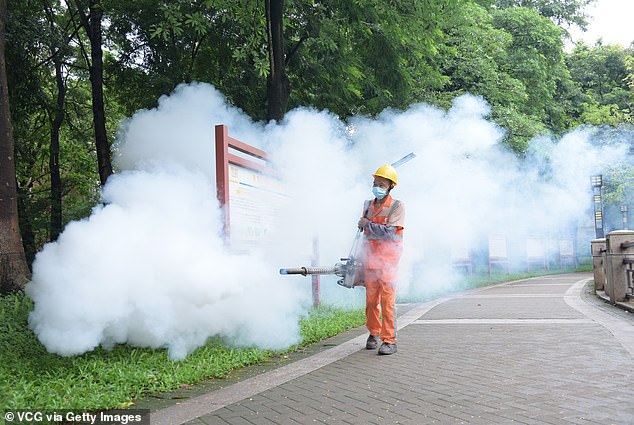
Chikungunya spreads rapidly through communities with large populations of infected mosquitoes, leading to sudden and widespread outbreaks. In China, the outbreak began in Foshan on July 8, 2025, with over 3,000 confirmed cases within the first two weeks and more than 10,000 by late August. Guangdong Province responded with aggressive vector control measures, including eliminating stagnant water, releasing larvae-eating fish, conducting door-to-door inspections, enforcing mandatory patient isolation, and implementing strict surveillance to curb the spread.
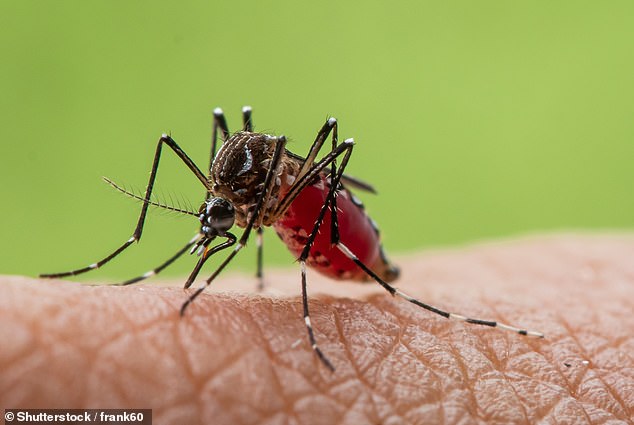
The chikungunya virus is transmitted to humans by Aedes aegypti and Aedes albopictus mosquitoes infected with the virus. Symptoms typically include sudden high fever and severe, often debilitating joint pain. Additional symptoms may include rash, muscle pain, headache, and fatigue.
Chikungunya has already made its way to the United States. In September, New York health officials reported a suspected case in a 60-year-old woman from Hempstead, Long Island. Lab tests confirmed she contracted the virus locally, marking the first locally acquired case in New York City. Three additional people in New York tested positive for chikungunya in 2025 after returning from countries where the virus is prevalent.
Since the beginning of the year, new cases have been confirmed in 16 countries. The CDC advises travelers to prevent mosquito bites by using insect repellent, wearing long-sleeved shirts and pants, and staying in air-conditioned or screened environments.
Pregnant women are advised to reconsider their travel plans, especially if they are close to delivering. Mothers who become infected around the time of delivery can pass the virus to their baby before or during birth, posing risks such as cognitive deficits and developmental delays.

Symptoms of the virus generally appear three to seven days after being bitten. The infection starts with a severe flu-like illness, including high fever and excruciating joint pain, typically in the hands, feet, and knees. A rash, headache, and severe muscle aches follow quickly. While most people recover within a week or two, the joint pain can persist, causing ongoing stiffness, swelling, and arthritis-like pain that can last for months or even years.
There is no specific treatment for chikungunya, but the death rate is generally low, around one in 1,000 symptomatic cases. However, the risk of death increases significantly—up to 15 percent—among individuals with pre-existing conditions such as diabetes, kidney, and heart disease.
Several other countries, including Cuba, Singapore, Pakistan, and Brazil, have also reported chikungunya cases this year.
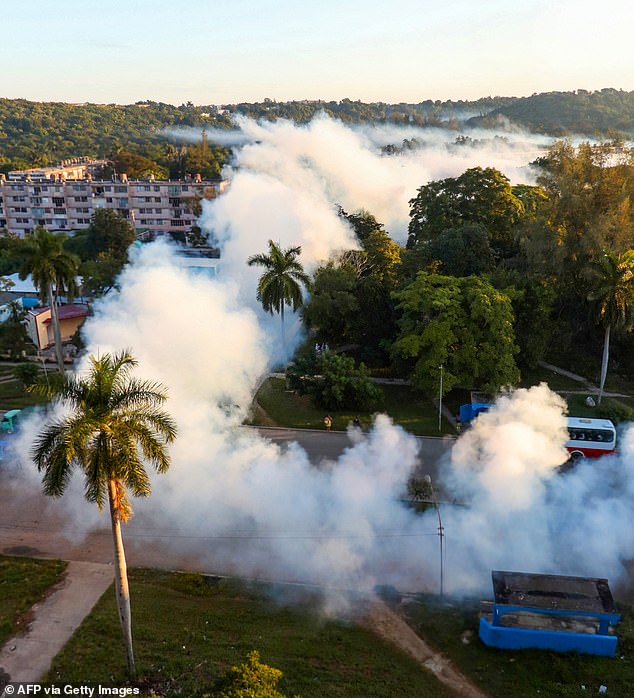
This year, at least 459,000 cases and 146 associated deaths due to the chikungunya virus have been reported worldwide. The final tally for 2025 is expected to surpass the number of infections detected this time last year, about 480,000. Cases reported in October increased by 108 percent compared to September, when 21,266 cases were reported.
Vector-borne diseases, most of which are preventable, account for more than 17 percent of all infectious diseases and result in roughly 700,000 annual worldwide deaths. Climate change is exacerbating the threat posed by mosquito-borne viruses, making more areas hospitable to disease-carrying insects and increasing the risk for Americans.
Longer, warmer summers and milder winters extend the breeding and biting seasons, allowing more time for diseases to spread. Even a slight temperature increase, as small as 1 degree Celsius, can significantly boost transmission rates.
Viral adaptation also plays a key role in the emergence of the chikungunya virus. As an RNA virus, it can mutate easily, allowing it to evolve under selective pressure, such as adapting to a new host species for better survival and transmission.
The chikungunya vaccine is about 98 percent effective, with nearly everyone maintaining immunity for about three years after receiving the shot.

Post a Comment for "Travel Alert for U.S. Tourists as Deadly Tropical Virus Spreads Faster"
Post a Comment