Trump's Travel Ban Blocks International Students from U.S. Colleges
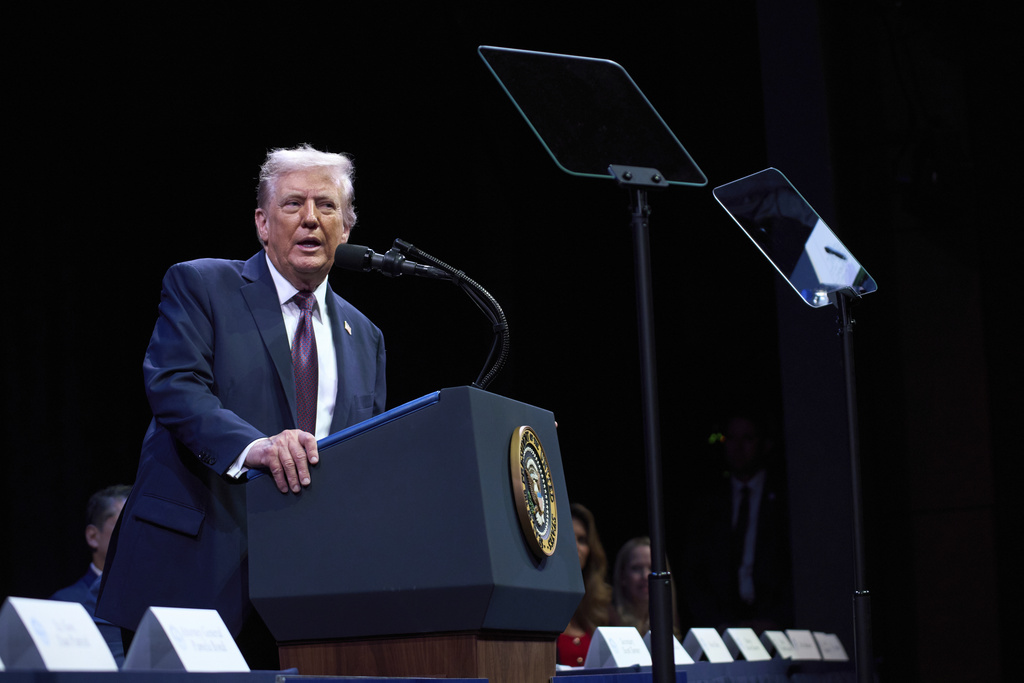
A Dream Shattered by Travel Bans
For Bahara Saghari, the dream of pursuing higher education in the United States seemed within reach. After being barred from college in her native Afghanistan due to the Taliban’s restrictions on women, she dedicated years to mastering English, studying up to eight hours a day. Her efforts paid off when she received an offer to study business administration at a private liberal arts college in Illinois. However, her plans were once again disrupted by President Donald Trump's travel ban.
“You think that finally you are going to your dream, and then something came up and like, everything’s just gone,” Saghari said. She is not alone in facing such obstacles. Thousands of international students have been affected by the Trump administration's travel ban and restrictions on citizens from 19 countries. Many now find themselves stranded after investing significant time and money into their plans to study in the U.S.
Some students who had already received offers of admission are not showing up on American campuses this fall. This is due to logjams with visa applications, which the Trump administration slowed down while implementing additional vetting measures. Others have changed their minds because of the administration's broader immigration crackdown and the abrupt termination of some students' legal status.
The Impact on International Students
The travel ban has created significant barriers for students from affected countries. Last year, the State Department issued over 5,700 F-1 and J-1 visas—used by foreign students and researchers—to people from the 19 travel ban-affected countries between May and September. Citizens of Iran and Myanmar were among those who received more than half of the approved visas.
Despite these challenges, the U.S. remains the top choice for many students. Pouya Karami, a 17-year-old student from Shiraz, Iran, focused his entire college search on the U.S., believing no other country offers the same research opportunities in science. He was planning to study polymer chemistry this fall at Pittsburg State University in Kansas but had to shelve his plans due to the travel ban.
Karami deferred his admission until next year and continues preparing for his embassy interview, reaching out to U.S. politicians to reconsider the travel ban's restrictions on students. “I'm doing everything I can about it,” he said.
The Scope of the Travel Ban
The full travel ban affects citizens from 12 countries across Africa, Asia, the Middle East, and the Caribbean. It blocks most people from obtaining new visas, although some citizens from the banned countries are exempt, such as green card holders, dual citizens, and some athletes. Seven other countries have tighter restrictions that also apply to student visas.
When Trump announced the travel ban in June, he cited high visa overstay rates and national security threats from unstable or adversarial foreign governments as reasons for putting countries on the list. He called some of the countries’ screening processes “deficient” and stated that he plans to keep the ban in place until “identified inadequacies” are addressed.
Hopes of Extended Families Ride on Students
In Myanmar, the family of an 18-year-old student made his education their top priority, saving paychecks so he could go abroad for college. They risked their stability so he could have the chance to live a better life, said the student, who asked to be identified by only his nickname, Gu Gu, because he is worried about being targeted by the Myanmar or U.S. government for expressing criticism.
When he shared a screenshot of his acceptance letter to the University of South Florida in a family group chat, it exploded with celebratory emojis. However, when news of the U.S. travel ban broke, his plans to study at USF this fall were ruined. Many students his age in Myanmar have been drafted into the military or joined resistance groups since the military ousted the elected civilian government in 2021. While a civil war rages, he had been looking forward to simple freedoms in the U.S. like walking to school by himself or playing sports again.
“I was all in for U.S., so this kind of breaks my heart,” said Gu Gu, who was unable to defer his acceptance.
With the U.S.'s Door Closed, Students Are Looking Elsewhere
Saghari postponed her July visa interview appointment in Pakistan to August after learning of the travel ban but ultimately canceled it. Knox College denied her request to defer her admission. She later applied to schools in Europe but encountered issues with the admissions process. A German university told Saghari she would need to take another English proficiency test because an earlier score had expired, but taking the test the first time was already a challenge in Afghanistan's political climate.
She has been accepted to a Polish university on the condition she pay her tuition up front. She said her application is under review as the school validates her high school degree.
Amir, a 28-year-old Iranian graduate who declined to provide his last name for fear of being targeted, wasn't able to travel to the U.S. to take a position as a visiting scholar. Instead, he has continued to work as a researcher in Tehran, saying it was difficult to focus after missing out on a fully funded opportunity to conduct research at the University of Pennsylvania.
His professor at Penn postponed his research appointment until next year, but Amir said it feels like “a shot in the dark.” He's been looking at research opportunities in Europe, which would require more time spent on applications and potentially learning a new language. He still would prefer to be in the U.S., he said, but he isn't optimistic that the country's foreign policy is going to change.
“You lose this idealistic view of the world. Like you think, if I work hard, if I'm talented, if I contribute, I have a place somewhere else, basically somewhere you want to be,” he said. “And then you learn that, no, maybe people don't want you there. That's kind of hard to deal with it.”

Post a Comment for "Trump's Travel Ban Blocks International Students from U.S. Colleges"
Post a Comment