Visiting the US? Know Who Might Need Your Social Media and Family Info
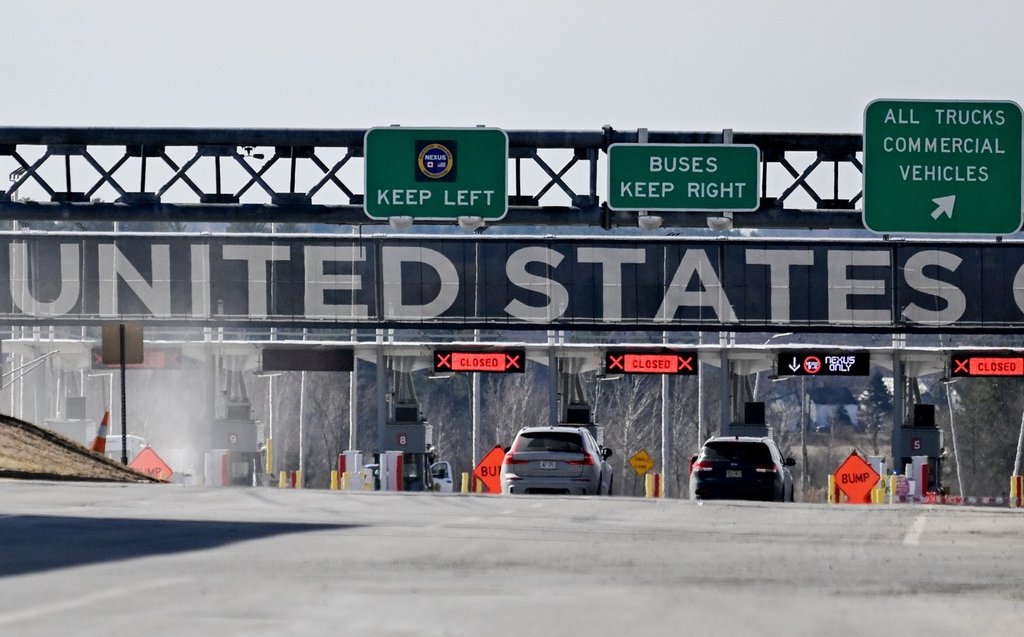
Foreign tourists entering the United States may soon face a new requirement: providing their social media history from the past five years, along with detailed information about family members, as part of the application process for a travel authorization. This proposed change would affect travelers from nearly 40 visa-exempt countries, including the United Kingdom, Australia, Germany, and Israel. However, Canadian citizens are not impacted by these changes.
"Canadian citizens, traveling on a Canadian passport, do not need an Electronic System for Travel Authorization," a spokesperson from Global Affairs Canada told Global News. The statement also mentioned that Canada is aware of the U.S. proposal but has not yet provided further details.
The current ESTA program requires visitors from visa-exempt nations to apply for a travel authorization before entering the U.S. If the proposed rules are approved, they would add social media disclosure as a mandatory data element for all ESTA applications. According to a notice published in the U.S. Federal Register, applicants would be required to provide their social media activity from the last five years.
In addition to social media information, the proposal introduces a list of "high value data fields" that would be included in the application:
- Telephone numbers used in the last five years
- Email addresses used in the last 10 years
- Family member names (parents, spouse, siblings, children) and their dates and places of birth, as well as their residencies
- Family number telephone numbers used in the last five years
- Biometrics such as facial photos, fingerprints, DNA, and iris scans
- Business telephone numbers used in the last five years
- Business email addresses used in the last 10 years
U.S. Customs and Border Protection (CBP) estimates that travelers filling out an ESTA application will need an additional 22 minutes to provide this information.
The notice states that the proposed changes align with U.S. President Donald Trump's executive order, signed on the first day of his second term in January 2025, which instructed agencies to ensure that any foreigner entering the U.S. is "vetted and screened to the maximum degree possible."
U.S. citizens have 60 days to comment on the proposal. The changes come as the U.S. prepares to host the FIFA World Cup next year alongside Canada and Mexico, which will bring in a large number of international visitors. Fans attending the World Cup matches will be fast-tracked for visa applications, according to the U.S. State Department.
The Trump administration has continued to implement stricter regulations on foreign travel and immigration. In late October, CBP and DHS announced plans to roll out enhanced biometric screening at the end of the year, requiring all travelers entering or exiting the U.S., including Canadians, to have their photos taken.
Rosanna Berardi, an immigration lawyer based in Buffalo, N.Y., said the message from the Trump administration has been clear: "America's closed, we're not screwing around anymore." She added that if individuals are uncomfortable with the increased scrutiny, they should consider staying home.
The proposed rule changes also aim to shut down the ESTA application website and move the entire process to mobile devices. According to the Department of Homeland Security, this shift will "enhance security and improve efficiency" due to better image quality from mobile cameras.
CBP guidance notes that poor-quality image uploads to the ESTA website have led some applicants to bypass the facial comparison screening. The agencies believe that travelers are becoming aware of this vulnerability and are exploiting it by intentionally uploading low-quality images to avoid detection.
Moving the application process to mobile devices is also expected to reduce fraud from third-party websites that issue false travel authorizations, often charging higher fees to unsuspecting travelers.
However, Berardi pointed out that prioritizing mobile devices could pose challenges for older adults. "My dad is 86 and very tech savvy, but if I told him you have to download this app and upload a picture, I would have to help him with that," she said. She also noted that asking seniors wanting to visit Disney World or take similar trips to list their past email addresses and family members' information would be a significant burden.
The proposed changes highlight the ongoing tension between national security and traveler convenience, as the U.S. continues to refine its approach to border control and international travel.

Post a Comment for "Visiting the US? Know Who Might Need Your Social Media and Family Info"
Post a Comment