What Crowded Destinations Experience During Shoulder Season Weather
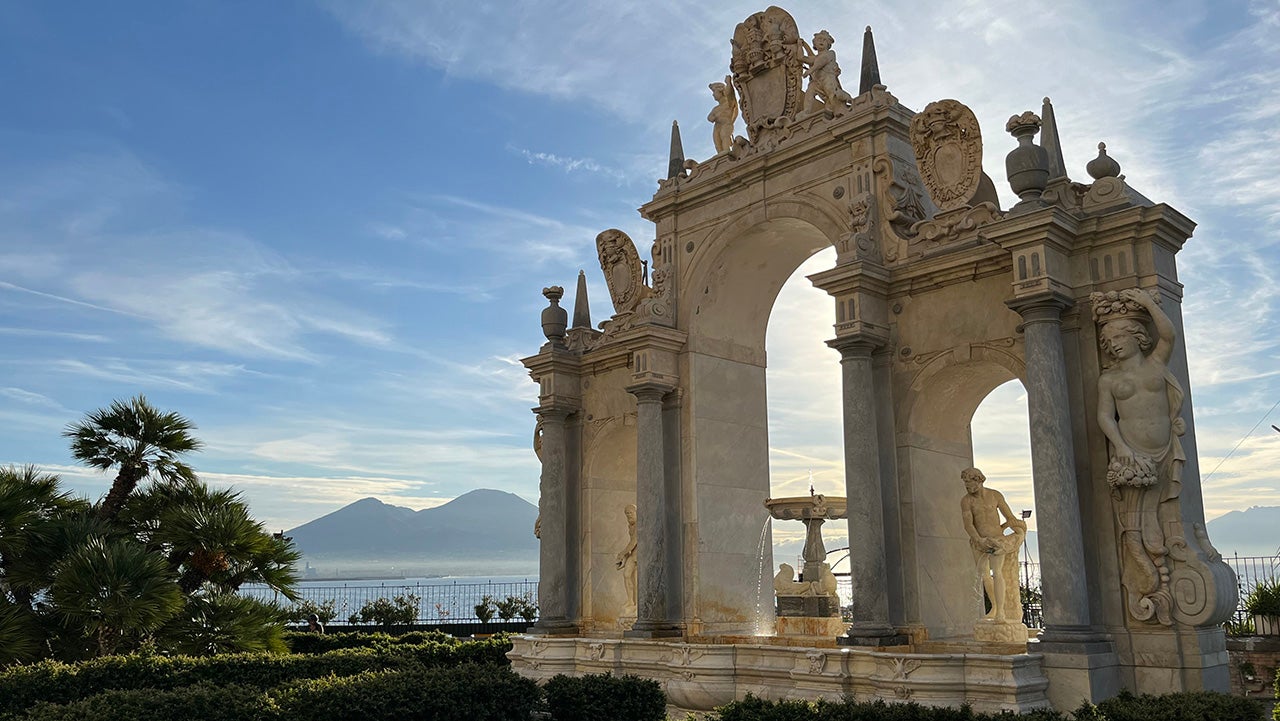
Understanding Shoulder Season in Travel
Shoulder season has become a major topic of interest in the travel industry, and for good reason. It refers to the period just before or after the peak travel seasons. This time is often characterized by milder weather, fewer crowds, and more affordable prices. For example, a beach destination might have its shoulder season during spring or fall, while a ski resort's shoulder season could occur in late fall or early spring.
Travelers who are flexible can enjoy the benefits of shoulder season without compromising on their vacation experience. The peak summer months often bring sweltering heat, long lines, and crowded attractions. By choosing a different time of year, you can avoid these issues and still enjoy popular destinations.
Benefits of Traveling During Shoulder Season
One of the most significant advantages of traveling during shoulder season is the potential for lower costs. Flights and hotel stays are typically less expensive, especially if you choose to travel on weekdays like Tuesday or Wednesday. According to Brekke Fletcher, senior editorial director at Lonely Planet, this can lead to substantial savings. For instance, Fletcher shared that she found flights to Hawaii significantly cheaper after Labor Day compared to the usual summer or holiday rates.
Another benefit is the possibility of experiencing better weather. While meteorologists cannot predict specific weather conditions beyond two weeks, they can provide general trends based on averages. This means that travelers can plan their trips with a reasonable expectation of pleasant conditions, especially when avoiding the hottest months of the year.
Considerations When Planning a Shoulder Season Trip
Despite the advantages, there are some factors to consider. Some attractions may be closed during shoulder season, as seen in Zermatt, Switzerland, where many restaurants and hotels close after the ski season ends. However, other locations may offer ideal conditions. For example, in Switzerland, the first week of May can still provide great weather, fewer crowds, and lower prices, even though some businesses may be closed.
Weather Insights for Popular Destinations
Florida
Florida is known for its hot summers, but fall can be an excellent time to visit, provided you are mindful of hurricane risks. The dry season typically begins in November, reducing the likelihood of thunderstorms and making it a more comfortable time to explore the Gulf Coast or Carolinas. November also brings lower hurricane threats, making it a safer option for those concerned about severe weather.
Arizona
Arizona's scorching summer heat makes it less appealing for travel, but late fall offers a more pleasant climate. In Phoenix, average highs drop into the mid-80s by late October, and temperatures continue to cool into the 70s and low 80s in November. The Grand Canyon also experiences cooler temperatures during this time, making it a great destination for outdoor activities.
Barcelona
Barcelona is known for its vibrant culture and architecture, but summer can be overwhelming due to crowds and heat. Visiting in October provides more comfortable temperatures, with average highs in the low 70s. Although fall is generally wetter than summer, the city remains enjoyable with fewer tourists and more relaxed experiences.
Rome
Rome can be extremely hot during the summer, especially in the southern regions. October offers a more pleasant climate, with average highs in the low 70s. While there is a higher chance of rain, the number of rainy days is relatively manageable, making it a suitable time for sightseeing.
Athens
Athens experiences high temperatures from June through August, with average highs reaching the upper 80s or 90s. Traveling in October allows for more comfortable conditions, with daytime temperatures typically in the 70s. Additionally, rainfall is minimal, averaging around 1.5 inches per month.
Tokyo
Tokyo's cherry blossom season in spring is a popular attraction, but the fall foliage season, known as kōyō, is equally stunning. October brings more comfortable temperatures, with highs in the 70s, and November offers drier weather and peak autumn colors. This makes it an ideal time for exploring the city's cultural and natural landmarks.
Sydney
In Australia, spring offers delightful weather outside of the peak summer months. September is considered one of the best months for visiting Sydney, with highs in the 80s and less rainfall. While October can bring hotter temperatures, November tends to be the sunniest month, making it a great choice for travelers looking for pleasant weather.
By considering these factors, travelers can make informed decisions about when to visit their desired destinations, ensuring a more enjoyable and cost-effective trip.

Post a Comment for "What Crowded Destinations Experience During Shoulder Season Weather"
Post a Comment