How Each State Earned Its Nickname
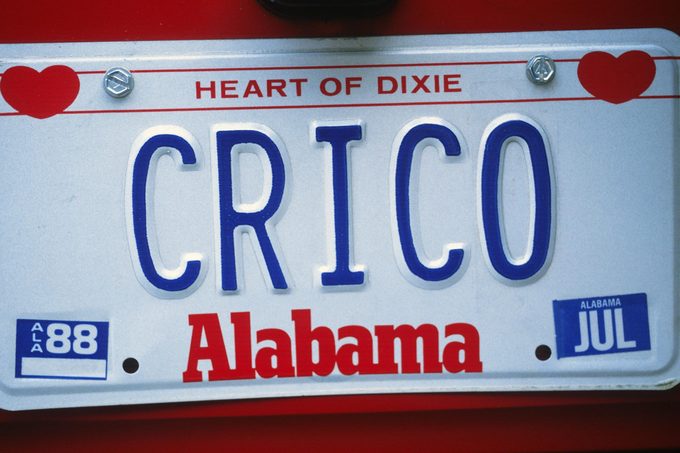
Alabama: The Heart of Dixie
Alabama, though not officially nicknamed, is most commonly referred to as “The Heart of Dixie.” This nickname has been a part of the state’s identity for decades, even appearing on automobile license plates since the 1950s. Another well-known moniker is the “Cotton State,” which originated in the 1860s due to the state’s significant cotton production. Additionally, “The Yellowhammer State” is another nickname, derived from the state bird. In 2002, the phrase “Stars Fell on Alabama,” referencing a famous meteor shower over the state in 1833, was also added to license plates.
Alaska: The Last Frontier
Alaska earned its nickname “The Last Frontier” because of its vast, unsettled land. Its official state motto is “North to the Future,” and the name itself comes from the Aleut word “aleyska,” meaning “great land.”
Arizona: The Grand Canyon State
Arizona is famously known as “The Grand Canyon State” due to its ownership of most of the Grand Canyon. The Grand Canyon National Park, one of the first national parks in the United States, covers more than 1.2 million acres. The canyon stretches 277 miles and reaches a depth of 6,000 feet, with its widest point being 18 miles long.
Arkansas: The Natural State
In 1995, Arkansas officially adopted “The Natural State” as its nickname after lobbying by the Arkansas Parks System. This replaced the previous nickname, “The Land of Opportunity.” Other former unofficial nicknames included “The Wonder State,” “The Bear State,” and “The Toothpick State.”
California: The Golden State
California has been known as “The Golden State” since 1968, a reference to the Gold Rush that began in 1848. The state motto, “Eureka,” means “I have found it!” and is said to have been used by the ancient Greek scientist Archimedes when he discovered the specific gravity of gold.
Colorado: The Centennial State
Colorado's nickname, “The Centennial State,” stems from the fact that it became a state in 1876, the nation’s Centennial Year. The name comes from the Spanish word for “colored red,” and the state government chose it when Colorado became a territory in 1861.
Connecticut: The Constitution State
Connecticut was designated “The Constitution State” by the General Assembly in 1959. The term refers to the Fundamental Orders of 1638/1639, considered the first written constitution in history. Other unofficial nicknames include “The Nutmeg State,” “The Provisions State,” and “The Land of Steady Habits.”
Delaware: The First State
Delaware was the first of the 13 colonies to ratify the U.S. Constitution on December 7, 1787, earning it the nickname “The First State.” It wasn’t officially recognized until 2002, following a request by a first-grade class. Other unofficial nicknames include “Small Wonder” and “The Diamond State.”
Florida: The Sunshine State
Florida has been known as “The Sunshine State” since 1970, reflecting its sunny climate with an average of 230 to 250 sunny days per year. The name also comes from the Spanish celebration “Pascual Florida,” or “Feast of Flowers.”
Georgia: The Peach State
Georgia received its nickname from King George II, who named the colony in 1733. The state is known for its abundance of peach trees, and the peach is the official state fruit.
Hawaii: The Aloha State
Hawaii has been called “The Aloha State” since 1959, referring to the Hawaiian word “aloha,” which means both “hello” and “goodbye.” Each of the eight islands also has its own unique nickname.
Idaho: The Gem State
Idaho’s nickname, “The Gem State,” was inspired by the belief that the state was named after a Native American Shoshone word for “Gem of the Mountain.” Although this origin story is disputed, the nickname remains popular.
Illinois: The Prairie State
Illinois has been known as “The Prairie State” since at least 1842. However, there has been a recent push to rename it “The Land of Lincoln” to reflect its historical significance.
Indiana: The Hoosier State
The nickname “The Hoosier State” came into use in the 1930s after John Finley’s poem “The Hoosier’s Nest” gained popularity. The name stuck, although the original spelling “Hoosher” did not.
Iowa: The Hawkeye State
“Iowa” is believed to have come from the character “Hawkeye” in James Fenimore Cooper’s novel “The Last of the Mohicans.” The nickname was approved in 1838, before Iowa became a state.
Kansas: The Sunflower State
Kansas is known as “The Sunflower State” due to its native sunflowers. The sunflower was made the official state flower in 1903.
Kentucky: The Bluegrass State
Kentucky earned its nickname from the blue grass that covered the land when settlers arrived. The state is also known for its thoroughbred horses and bourbon.
Louisiana: The Pelican State
Louisiana’s nickname, “The Pelican State,” comes from the brown pelican, which is the state bird and appears on the state flag and seal.
Maine: The Pine Tree State
Maine’s nickname, “The Pine Tree State,” reflects its extensive forested areas. The state is also known as “Vacationland” due to its natural beauty and tourist appeal.
Maryland: The Old Line State
Maryland’s nickname, “The Old Line State,” honors its courageous soldiers during the Revolutionary War. The state is also known as “The Free State” for abolishing slavery in 1864.
Massachusetts: The Bay State
Massachusetts is called “The Bay State” due to its many bays, including the Massachusetts Bay. The state was originally known as the “Massachusetts Bay Colony.”
Michigan: The Wolverine State
Michigan’s nickname, “The Wolverine State,” comes from a conflict with Ohio during the Toledo War. The University of Michigan also adopted the wolverine as its mascot.
Minnesota: The Land of 10,000 Lakes
Minnesota is known as “The Land of 10,000 Lakes,” though it actually has 11,842 lakes. The state motto is “L’etoile du nord,” meaning “North Star.”
Mississippi: The Magnolia State
Mississippi’s nickname, “The Magnolia State,” comes from the magnolia flower, which is the state flower. The state is also known as “The Hospitality State.”
Missouri: The Show Me State
Missouri’s nickname, “The Show Me State,” originates from a speech by Congressman Willard Duncan Vandiver in 1899. It reflects the state’s reputation for being skeptical and needing proof.
Montana: The Treasure State
Montana’s nickname, “The Treasure State,” refers to its rich mineral reserves, particularly gold and silver. The state motto is “Oro y Plata,” meaning “gold and silver.”
Nebraska: The Cornhusker State
Nebraska’s nickname, “The Cornhusker State,” comes from its corn production and the University of Nebraska’s athletic teams. The nickname was officially adopted in 1945.
Nevada: The Silver State
Nevada’s nickname, “The Silver State,” comes from its historic silver mining industry. The state is also known as “The Sagebrush State” and “The Battle-Born State.”
New Hampshire: The Granite State
New Hampshire is known as “The Granite State” due to its abundant granite deposits. Other nicknames include “Mother of Rivers,” “White Mountain State,” and “Switzerland of America.”
New Jersey: The Garden State
New Jersey’s nickname, “The Garden State,” reflects its agricultural importance. The state is a major producer of crops such as blueberries, cranberries, and peaches.
New Mexico: The Land of Enchantment
New Mexico’s nickname, “The Land of Enchantment,” was chosen in 1999. Previous nicknames included “The Land Without Law” and “The Atomic State.”
New York: The Empire State
New York has been known as “The Empire State” for centuries, with the nickname likely originating from the Empire State Building. The state is also known for its economic and cultural influence.
North Carolina: The Tar Heel State
North Carolina’s nickname, “The Tar Heel State,” comes from its historical production of naval stores like tar and pitch. The nickname was popularized by Confederate General Robert E. Lee.
North Dakota: The Peace Garden State
North Dakota’s nickname, “The Peace Garden State,” comes from the International Peace Garden that straddles the border with Manitoba. The state is also known as “The Flickertail State” and “The Roughrider State.”
Ohio: The Buckeye State
Ohio’s nickname, “The Buckeye State,” comes from the buckeye tree, which is the state tree. The nickname dates back to the 1840 presidential election.
Oklahoma: The Sooner State
Oklahoma’s nickname, “The Sooner State,” comes from early settlers who claimed land before the designated start time. The nickname symbolizes the state’s energetic spirit.
Oregon: The Beaver State
Oregon’s nickname, “The Beaver State,” comes from the beaver trade that was significant in the 19th century. The beaver appears on the state flag.
Pennsylvania: The Keystone State
Pennsylvania’s nickname, “The Keystone State,” refers to its central role in the formation of the United States. The state hosted the first and second Continental Congresses.
Rhode Island: The Ocean State
Rhode Island’s nickname, “The Ocean State,” reflects its extensive coastline. The state is known for its beautiful beaches and historic mansions.
South Carolina: The Palmetto State
South Carolina’s nickname, “The Palmetto State,” comes from the palmetto tree, which played a key role in the state’s defense during the American Revolution.
South Dakota: The Mount Rushmore State
South Dakota’s nickname, “The Mount Rushmore State,” comes from the iconic Mount Rushmore monument, which features the faces of four U.S. presidents.
Tennessee: The Volunteer State
Tennessee’s nickname, “The Volunteer State,” honors its volunteer soldiers who fought in the War of 1812 and the Mexican-American War.
Texas: The Lone Star State
Texas’s nickname, “The Lone Star State,” comes from its state flag, which features a single star. The flag represents Texas’s independence from Mexico.
Utah: The Beehive State
Utah’s nickname, “The Beehive State,” comes from the beehive, a symbol of industry and hard work. The beehive is also the state emblem.
Vermont: The Green Mountain State
Vermont’s nickname, “The Green Mountain State,” refers to the Green Mountains, which gave the state its name. The mountains are part of the Appalachian range.
Virginia: The Old Dominion State
Virginia’s nickname, “The Old Dominion State,” comes from its status as the oldest of England’s overseas dominions. The nickname has been in use since the early 1600s.
Washington: The Evergreen State
Washington’s nickname, “The Evergreen State,” comes from its abundant evergreen forests. The nickname has yet to be officially adopted, but legislation has been introduced to make it official.
West Virginia: The Mountain State
West Virginia’s nickname, “The Mountain State,” refers to the Appalachian Mountains that run through the state. The state motto, “Montani Semper Liberi,” means “Mountaineers Are Always Free.”
Wisconsin: America’s Dairyland, or The Badger State
Wisconsin is known as “America’s Dairyland” due to its dairy production. It is also called “The Badger State,” a nickname that originated from early miners who lived underground like badgers.
Wyoming: The Equality State
Wyoming’s nickname, “The Equality State,” comes from its pioneering role in granting women the right to vote, serve on juries, and hold public office. The state is also known as “The Cowboy State” and “Big Wyoming.”

Post a Comment for "How Each State Earned Its Nickname"
Post a Comment