Las Vegas Thrives on Tourism — But This Company Bets on Manufacturing
A Manufacturing Presence in the Desert
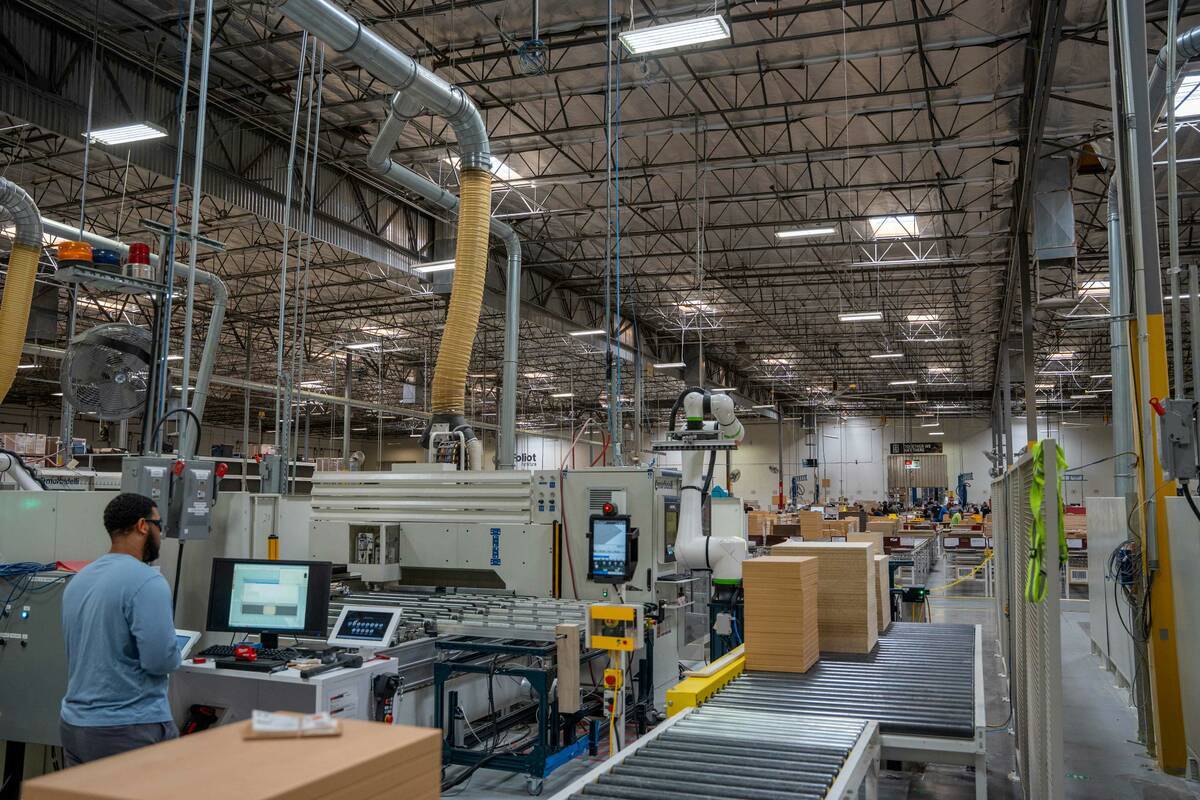
Las Vegas, often associated with casinos and entertainment, is not typically known for a robust manufacturing sector. However, within a large industrial complex just south of Harry Reid International Airport, a Canadian company is making waves by producing a wide range of furniture. Foliot Furniture operates a manufacturing plant in Las Vegas that spans over 300,000 square feet, creating items such as dressers, desks, and headboards for hotels, student housing, shelters, and other facilities.
Southern Nevada's economy primarily thrives on tourism, with much of the available industrial space occupied by warehousing and distribution companies. According to federal data, manufacturing accounts for only 2.7 percent of the Las Vegas-area workforce, while leisure and hospitality make up a significant 27 percent. Despite this, Foliot has established itself in the region, opening its Las Vegas plant at 7000 Placid St. in 2010. The company is currently celebrating its 15th anniversary with an event on September 26.
Strategic Expansion into the U.S. Market
Foliot was founded 34 years ago by Daniel Foliot, with its initial manufacturing site located north of Montreal. When the company sought to expand into the U.S. market, it chose the West Coast, leveraging its existing East Coast capabilities from Montreal. After evaluating various cities, Las Vegas emerged as a logical choice based on cost, transportation, and staffing considerations.
The CEO of Foliot, Philip Giffard, who took over last year, shared insights with the Las Vegas Review-Journal about the decision to establish operations in the area. He emphasized that the Las Vegas plant is a sister site to the Montreal facility, offering similar capabilities, equipment, and size. This strategic division allows the company to serve Eastern customers from Montreal and Western customers, including those in Canada, from the Las Vegas site.
Navigating Tariffs and Market Uncertainty
Tariffs have become a growing concern for businesses operating across borders. While Foliot does not face tariffs between Canada and the U.S., the company has considered reallocating operations to ensure that products in the U.S. are manufactured there and those in Canada are made locally. This approach would safeguard against potential tariff impacts.
However, the uncertainty surrounding trade policies has had a broader effect on the company’s operations. Reduced travel and fewer hotel renovations have impacted traditional markets such as hospitality and student residences. In response, Foliot has diversified its efforts, exploring new geographic and vertical markets to maintain growth.
Economic Considerations and Workforce Development
When Foliot opened its Las Vegas plant during the Great Recession, the economic climate played a role in the decision. The overall cost of the facility was affordable, influenced by factors such as rent and access to labor. Although the plant is heavily automated, it still requires a significant workforce, with approximately 300 employees working at the facility depending on the season.
Despite these efforts, manufacturing in Las Vegas remains a small portion of the local economy. However, there has been some progress compared to 15 years ago. The city is seeing more distribution centers and a few additional manufacturing sites. Foliot is actively collaborating with the University of Nevada, Las Vegas (UNLV) to help students recognize that stable, non-hospitality jobs exist locally.
Impact of the Pandemic on Operations
The COVID-19 pandemic significantly affected Foliot’s business, particularly in its two main markets—hospitality and student residences. These sectors experienced a sharp decline almost immediately. As a result, the company had to rethink its strategy and explore new customer segments that might benefit from its furniture offerings.
Through resilience and adaptability, Foliot has managed to show slight annual sales growth, driven by efforts to enter new markets and expand its reach. The company continues to navigate challenges while maintaining a strong presence in the Las Vegas area.

Post a Comment for "Las Vegas Thrives on Tourism — But This Company Bets on Manufacturing"
Post a Comment