Ryanair's Israel Terminal Conflict Could Mean No Return
Ryanair's Uncertain Future in Israel
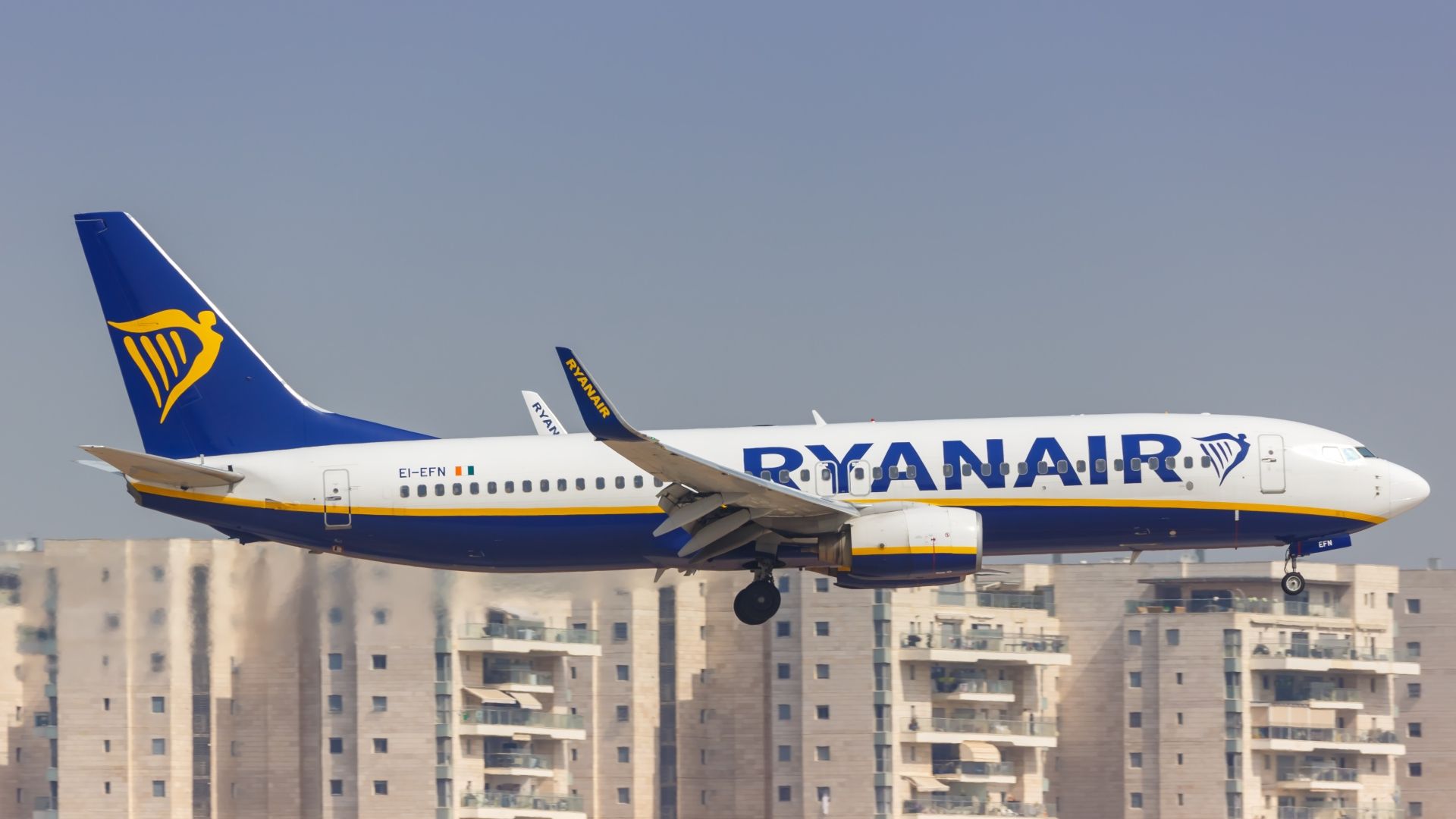
Ryanair, one of the most prominent low-cost airlines in Europe, has been closely monitoring the situation in Israel due to the ongoing military and geopolitical instability in the region. As of now, the airline is planning to resume scheduled passenger flights to and from Israel by the end of October. However, recent statements from the CEO of the Ryanair Group have raised questions about whether the airline will ever return to the country.
Michael O’Leary, the Group CEO of Ryanair, is known for his bold and often controversial remarks. Over the years, he has made headlines with comments ranging from suggesting frequent flyers should "get a dog" if they want loyalty, to calling for "heads to roll" at NATS amid air traffic control issues. Now, O’Leary has turned his attention to Israeli airport authorities, warning that Ryanair may never return to Israel even if the current instability subsides.
The Terminal Issue
O’Leary’s main concern is the fact that if Ryanair returns to Tel Aviv, it would have to use a more expensive terminal. The low-cost terminal currently being used by the airline has been closed, forcing the company to consider using a more costly alternative. At Ryanair’s Annual General Meeting (AGM), O’Leary expressed frustration, stating:
“There’s a real possibility that we won’t bother going back to Israel. Unless the Israelis get their act together and stop messing us around, frankly, we have far more growth elsewhere in Europe. This is going to be an ongoing issue for all airlines and all European citizens for the next number of years. The risk is one of continuous disruption, rather than of safety.”
This statement highlights the growing tension between Ryanair and Israeli airport authorities, as well as the airline’s reluctance to operate under what it perceives as unfavorable conditions.
A Complicated Relationship
Ryanair’s relationship with Israel has been anything but smooth over the past few years. Like many other airlines, the company has had to adjust its schedules in response to the ongoing conflict in the Middle East. In 2024, for example, Ryanair canceled all flights to and from Tel Aviv Ben Gurion International Airport (TLV) from August 6 to September 30, citing “operational restrictions beyond our control.”
This move was not unique to Ryanair. Other European budget airlines, such as easyJet and Wizz Air, also temporarily suspended flights to Israel. As a result, Tel Aviv Airport was forced to close Terminal 1, which had previously served as the dedicated low-cost terminal. This development has further complicated Ryanair’s decision to return to the region, as any future flights would likely require the use of the more expensive Terminal 3.
According to data from Cirium, an aviation analytics company, Ryanair is set to resume flights to Tel Aviv from eight airports on October 26. However, the airline remains hesitant to commit fully, given the challenges posed by the terminal situation.
Expanding Concerns: Spain and Beyond
Israel is not the only country where Ryanair has faced issues with airport authorities. The airline has recently taken aim at Spanish airport officials over increased fees. Ryanair is cutting around one million seats on flights to and from Spain this winter, citing frustration with the 6.5% fee hike imposed to fund expansion projects in Barcelona and Madrid.
The reduction in services includes fewer flights on popular routes to destinations such as Alicante, Barcelona, Fuerteventura, Girona, Lanzarote, Madrid, Malaga, Mallorca, Murcia, Santander, Seville, Tenerife, Valencia, and Vigo. Some routes, including Santiago de Compostela, will be completely removed.
Ryanair has long opposed these fee increases, and the airline has already made significant cuts during the summer. The current winter reductions are expected to impact both short-haul and long-haul travel, signaling a broader shift in the airline’s strategy in response to rising operational costs.
Looking Ahead
As Ryanair navigates these challenges, the airline’s future in Israel and Spain remains uncertain. While the company is preparing to resume flights to Tel Aviv, concerns about the terminal situation and ongoing geopolitical instability continue to cast doubt on its long-term plans. Meanwhile, the airline’s decision to cut services in Spain reflects a growing trend of cost-cutting measures in response to rising fees and operational pressures.
For now, Ryanair is focused on managing its operations in a rapidly changing environment, balancing the need to maintain profitability with the demands of its customers and partners. Whether the airline will ultimately return to Israel or continue scaling back its presence in Spain remains to be seen.

Post a Comment for "Ryanair's Israel Terminal Conflict Could Mean No Return"
Post a Comment